
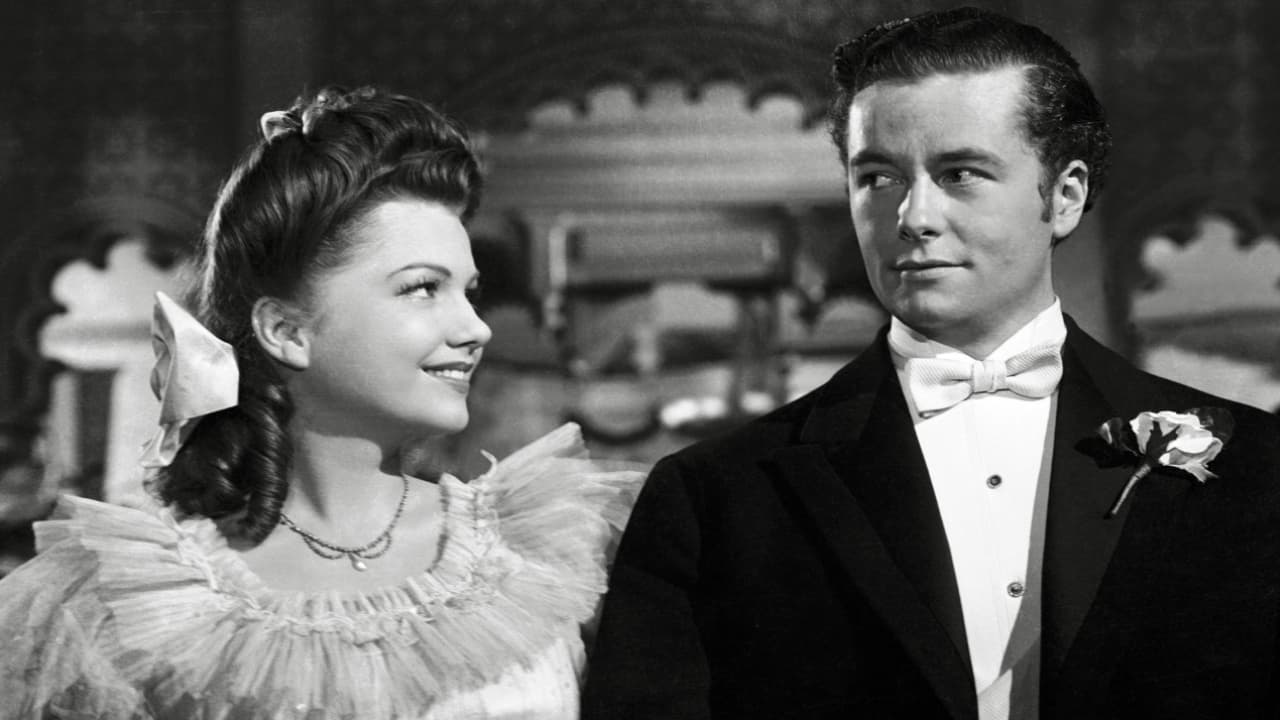
Long considered one of Hollywood's greatest what-ifs, Orson Welles' 'The Magnificent Ambersons' has remained incomplete since RKO cut and destroyed 43 minutes of his original footage in 1942. Now, over 80 years later, technology may finally bridge that gap. An ambitious new project led by AI firm Showrunner aims to reconstruct the missing scenes, offering a glimpse into Welles' lost cinematic vision.
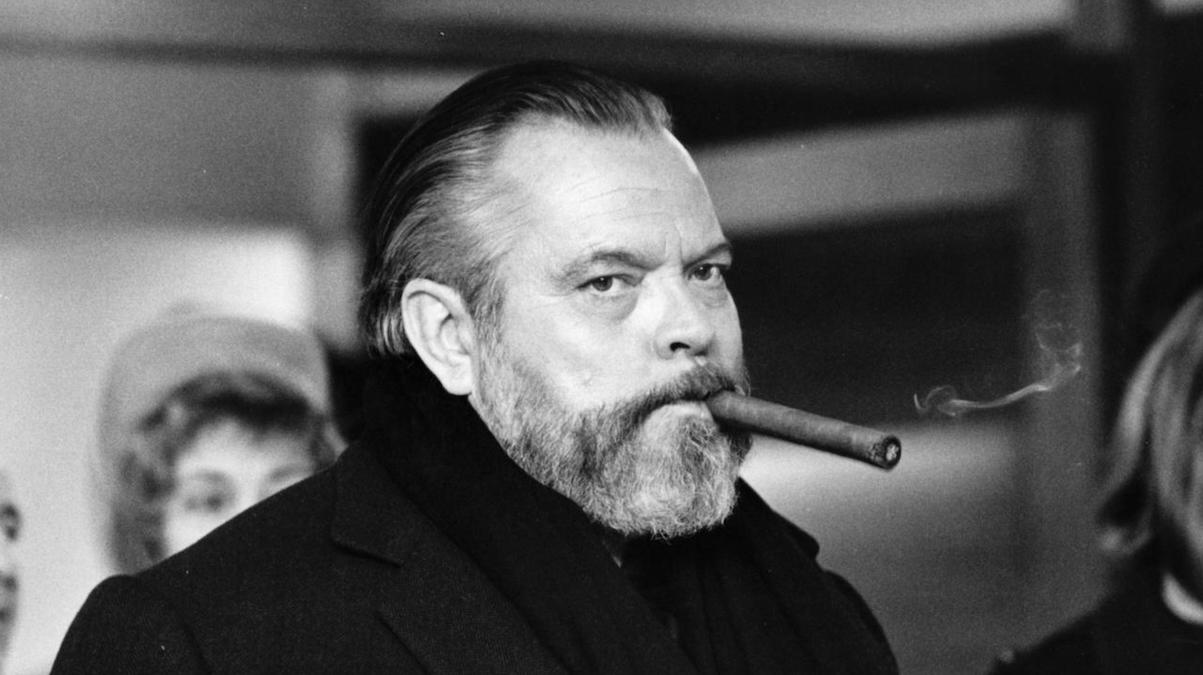
Image Courtesy: Consequence.Net
Intriguing Rebirth of a Forgotten Masterpiece
For many years, viewers have lamented on the unfinished status of Orson Welles' sequel to Citizen Kane, 'The Magnificent Ambersons,' which was tragically cut by RKO and had 43 minutes of film destroyed. That chapter might now be coming to a new, albeit virtual, conclusion. In order to recreate the missing scenes, Showrunner, an AI-powered platform owned by Fable and supported by Amazon, is spearheading a reconstruction with its in-house AI capabilities.
To approximate Welles' original intent, the team will combine AI-generated visuals, live-action performances, and archival set photographs in partnership with VFX specialist Tom Clive and veteran restoration filmmaker Brian Rose, who has painstakingly spent the last five years re-creating 30,000 missing frames from the movie using 3D modeling.
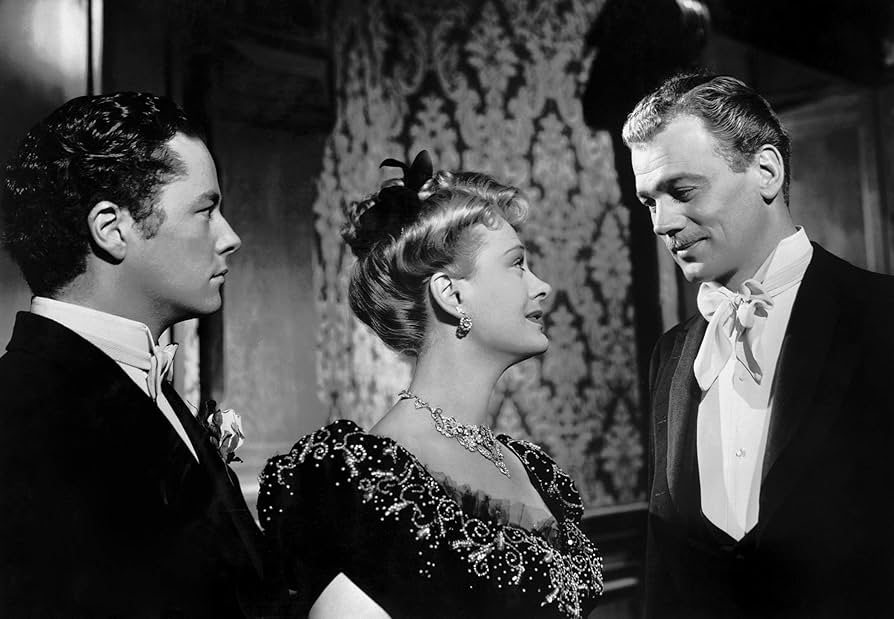
Image Courtesy: Cinema Retro
The project is as much an experiment in generative storytelling as it is a tribute to a cinematic legend. Fable CEO Edward Saatchi stressed that the goal of this project is to let these missing scenes "live in the world" following more than 80 years of conjecture, not to make money—Showrunner does not have the rights to release the restored film.
Merging AI with Archival Craft—Ethics and Ambition
The reconstruction is a sophisticated fusion of traditional filmmaking with state-of-the-art AI. The goal of Showrunner's model, FILM‑1, is to create believable visual reconstructions using screenplay elements and scene photos. In addition to live actors acting on 3D-modeled sets, these reconstructions might also incorporate artificially created recreations of the original performers employing face-swapping and AI-driven visual effects.
This method aims to replicate famous sequences such as the legendary four-minute continuous ballroom shot, which is now only a captivating recollection in movie history.
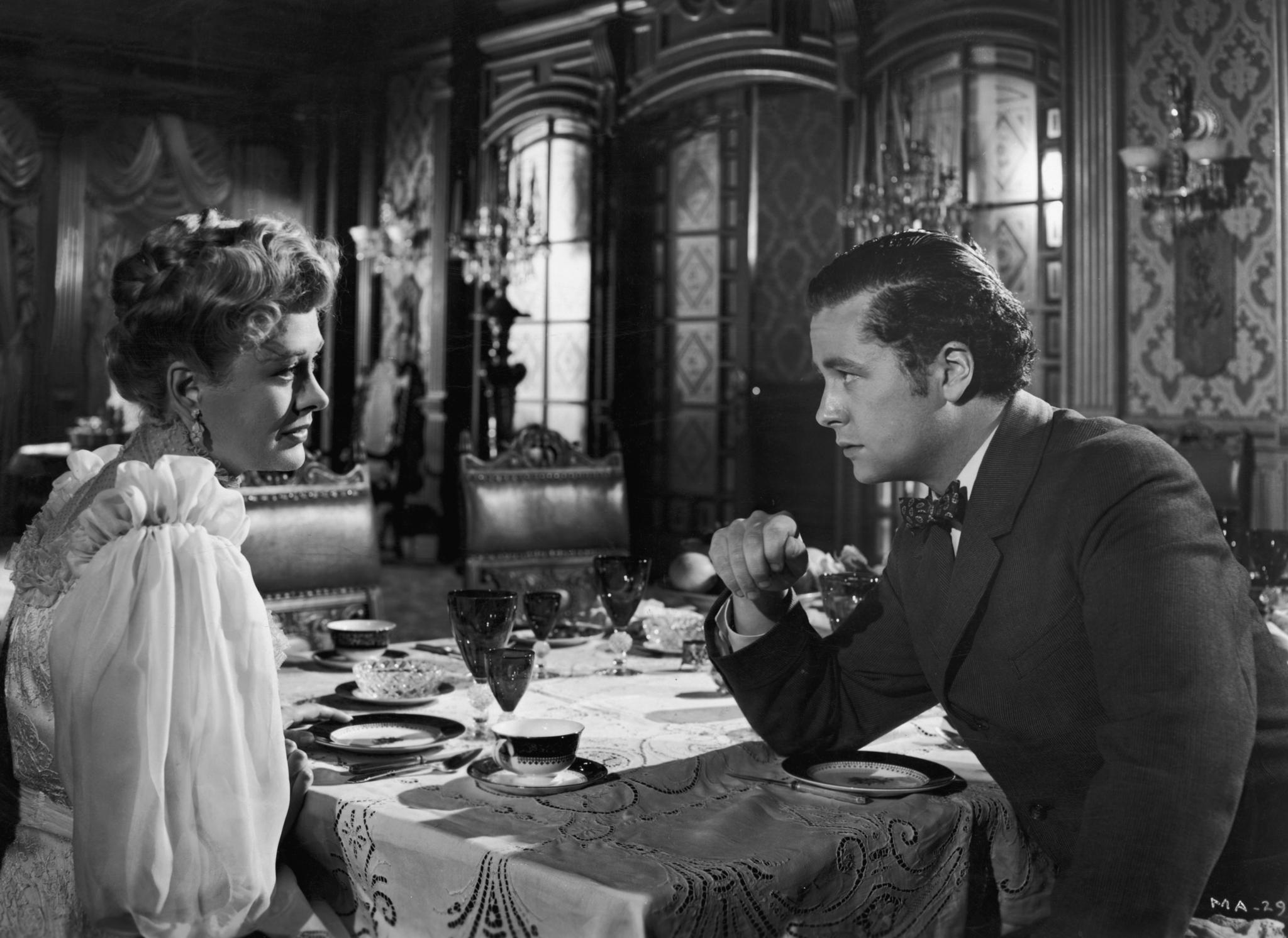
Image Courtesy: IMDb
However, there is some criticism around this audacious technological artistry. The AI takeover of creative work is still a controversial topic in the industry, and Showrunner has a history of creating unapproved content. However, Saatchi maintains that the objective is to provide a fresh perspective on Welles' damaged vision rather than to replace human creativity.
Ultimately, this project is more in line with scholarly demonstration than with commercial distribution. Fans and Welles' students regard it as an opportunity to witness a master's work restored—not by time, but by technology revival—even if it will never be shown in theaters.