
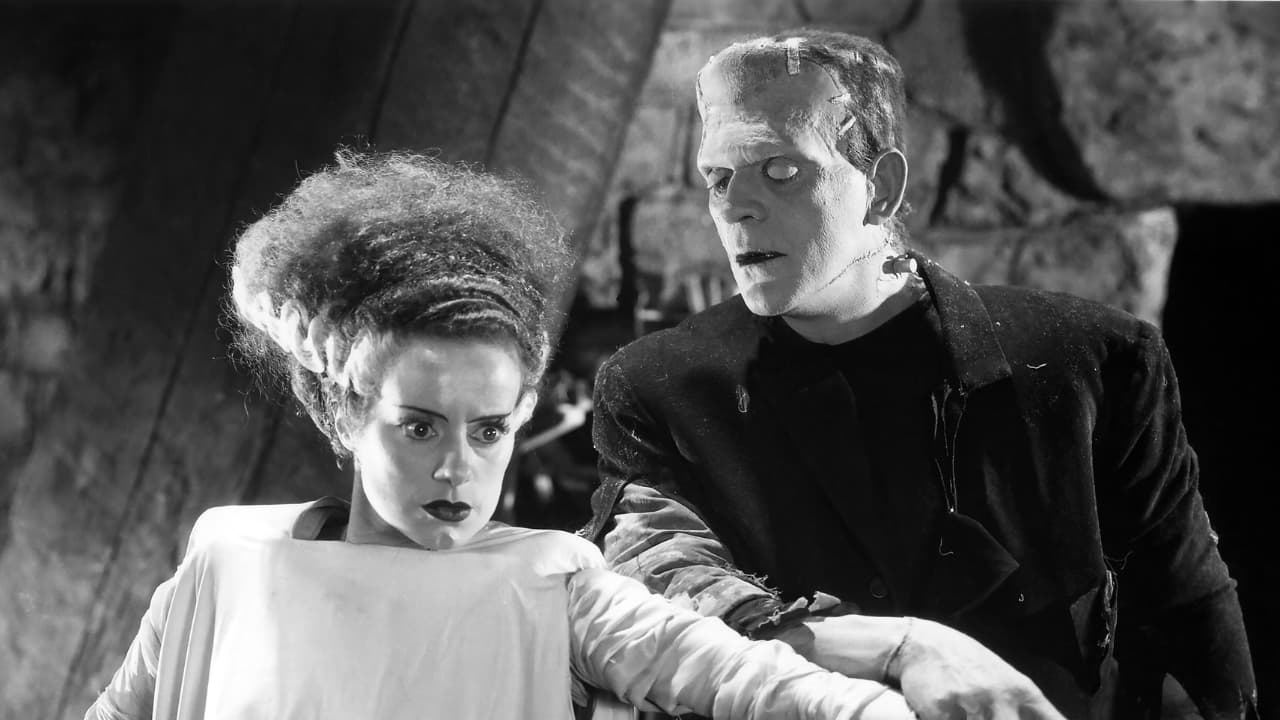
The image is legendary: a towering shock of hair streaked with white lightning, bandages wrapped tight, and a look of pure, wide-eyed terror. When the 'Bride of Frankenstein' first appeared in the 1935 Universal classic, she was on screen for less than five minutes and didn't speak a single word. Yet, nearly a century later, she has transformed from a tragic footnote in a monster's story into a powerful symbol of female autonomy and rebellion.
The Silent Beginning
In her original debut, Elsa Lanchester's Bride was literally a gift created for another. Dr Frankenstein and the mad Dr Pretorius stitched her together specifically to pacify the original Monster. She was designed to be a companion—a subservient "mate" meant to provide domestic stability to a lonely creature.
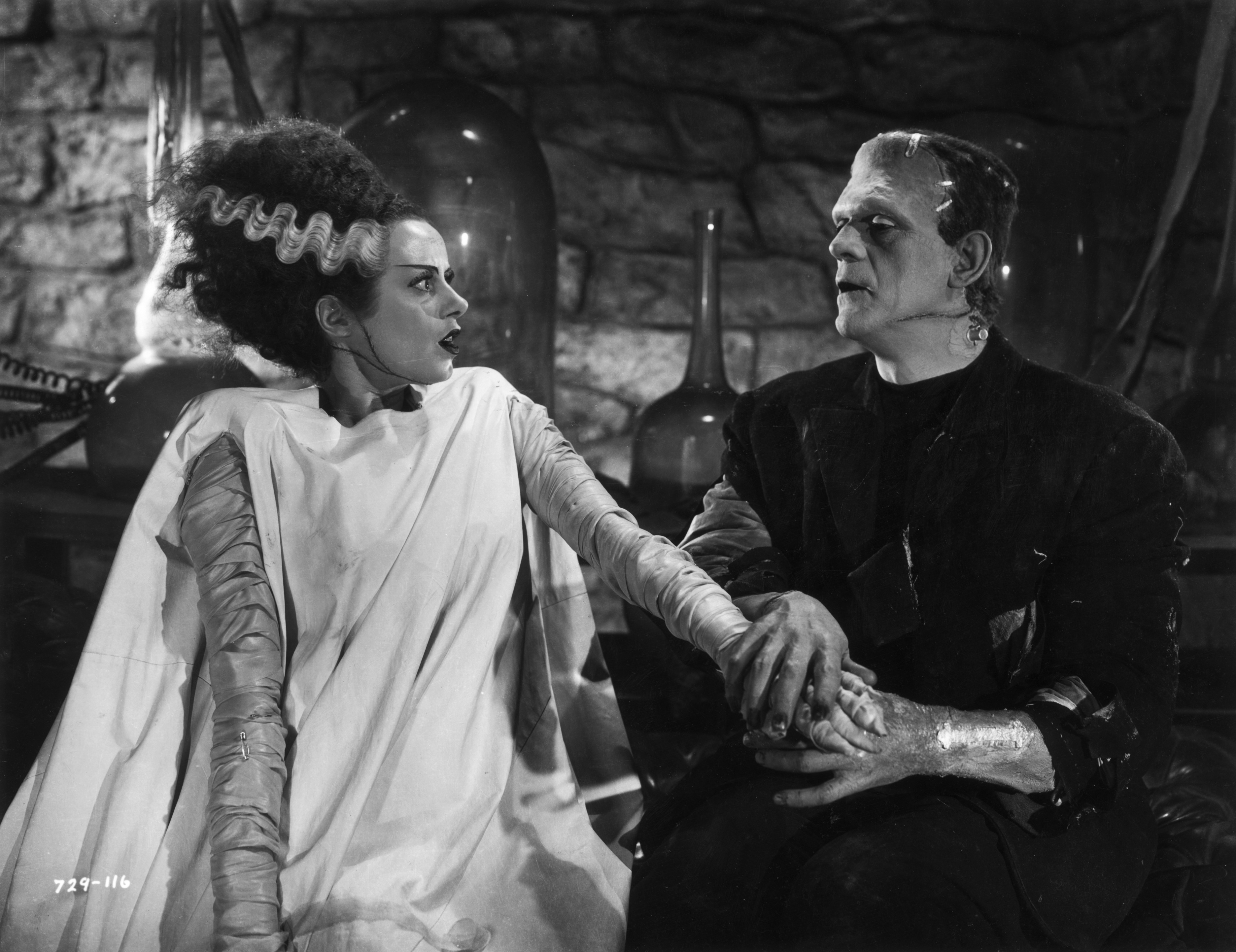
Image Courtesy: IMDb
However, in 'Bride of Frankenstein,' the Bride's first act of agency was her famous scream of rejection. By refusing to accept the role her creators chose for her, she became a tragic figure of defiance, even if that defiance ended in her destruction.
Breaking the Bandages
As decades passed, The Bride began to step out of the shadow of the Frankenstein name. In the 1980s and 90s, reimaginings started to focus more on her internal experience rather than her outward appearance. She transitioned from a "it" to a "her," often portrayed as a woman grappling with the trauma of her rebirth. This era shifted the narrative: she wasn't just a monster; she was a survivor of male ego and scientific overreach.
Also Read: https://indigomusic.com/feature/how-the-housemaid-redefines-modern-domestic-thrillers-10991862
The Modern Feminist Icon
Today, the character of the bride in 'Bride of Frankenstein' has reached a new peak of cultural relevance, most notably in Maggie Gyllenhaal's 2025 film, 'The Bride!' In this modern iteration, Jessie Buckley's portrayal moves far beyond the 1930s prototype. This version of 'The Bride' is a punk-rock force of nature who actively seeks her own identity in a world that tries to define her.
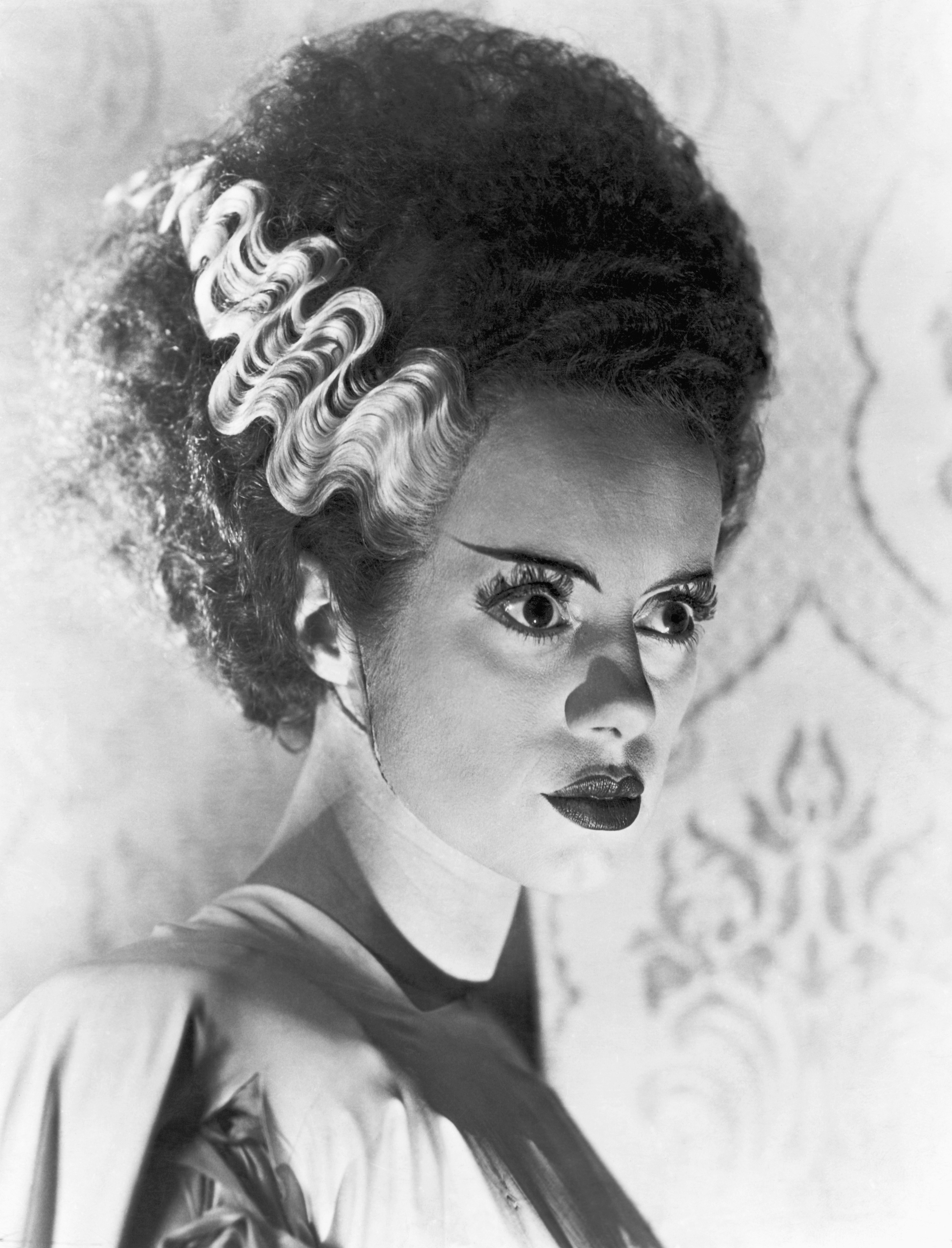
Image Courtesy: IMDb
She is no longer a silent recipient of life; she is a woman who owns her scars and her history. This evolution mirrors real-world shifts in how we view female characters. We no longer want to see the Bride as a victim of a laboratory; we want to see her burn the laboratory down and build something for herself. By choosing her own path—and her own lovers—the Bride has become the ultimate icon of self-creation, proving that even if you are made by others, you belong only to yourself.