
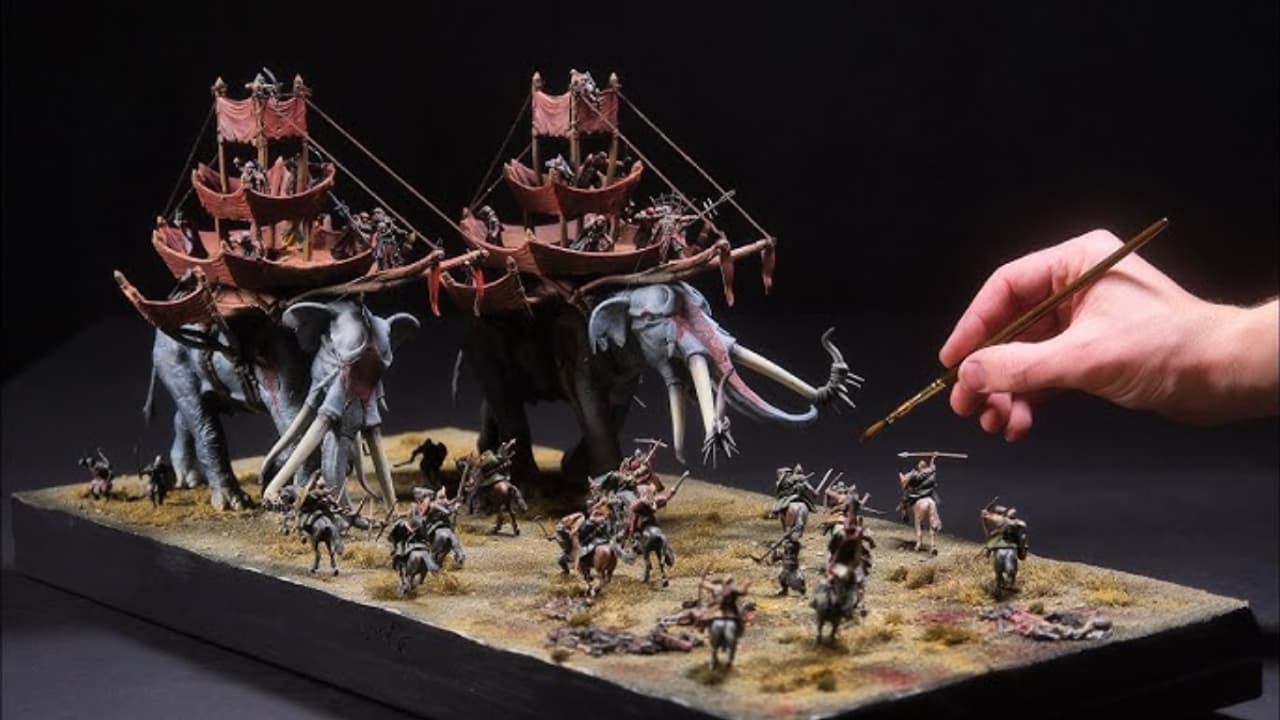
In the world of film and television, visual storytelling is one of the most powerful tools directors, set designers, and filmmakers use to immerse audiences in their narratives. One of the most intriguing yet often overlooked methods of creating stunning visuals is through the use of dioramas or miniature sets. These small-scale models not only add realism and detail to scenes but also allow filmmakers to craft worlds that might be too complex, expensive, or impossible to film in real life.
Dioramas in film and TV have evolved from simple props to complex, meticulously crafted works of art. Let’s explore the significance of dioramas in visual storytelling, from their use in practical effects to their role in creating entire fictional worlds.
The History of Dioramas in Film
The use of miniature sets in filmmaking dates back to the early days of cinema. Before the advent of CGI (Computer Generated Imagery), filmmakers relied heavily on practical effects to create breathtaking scenes. Miniature sets were particularly popular in genres like science fiction, fantasy, and historical films, where creating realistic large-scale sets was either impractical or cost-prohibitive.
One of the most famous early uses of miniature sets in cinema was in King Kong (1933), where the filmmakers employed small-scale models to depict the massive ape and the island where he resided. The use of miniatures in these kinds of films provided a level of detail and realism that was crucial to the movie’s success and visual impact.
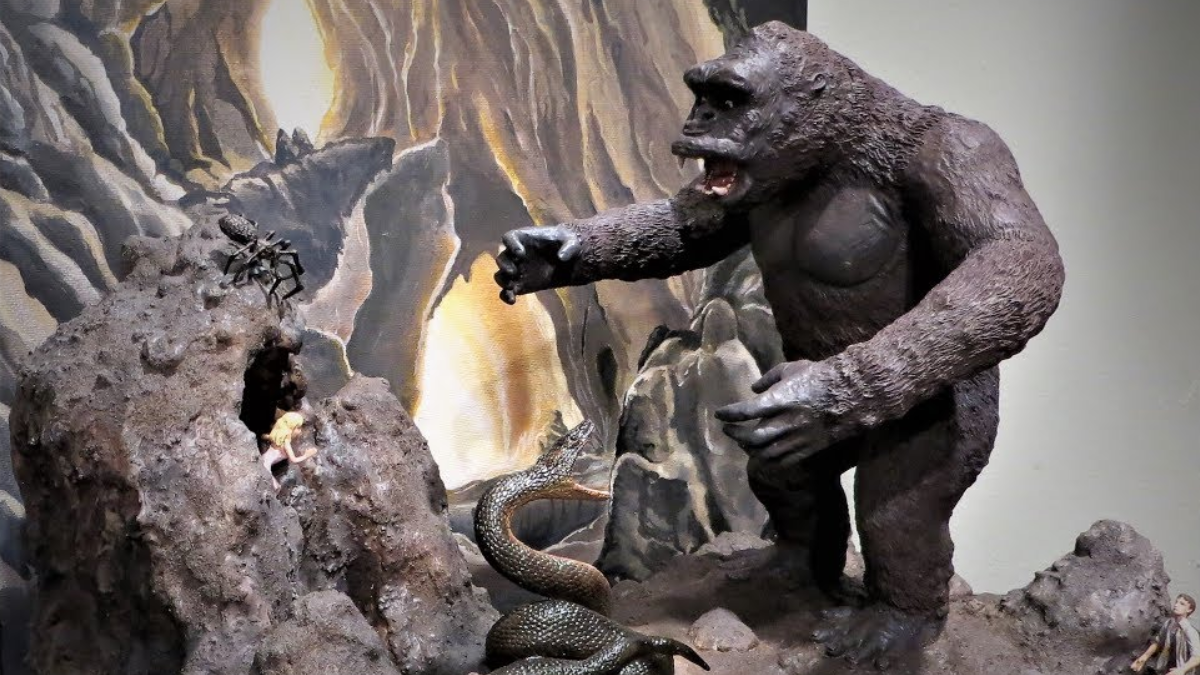
Since then, miniature sets have been used in a variety of films and TV shows, including iconic works like Star Wars (1977), The Lord of the Rings trilogy (2001-2003), and Game of Thrones (2011-2019), where tiny models were used to create sprawling landscapes, castles, and battle sequences.
Dioramas and Miniature Sets in Practical Effects
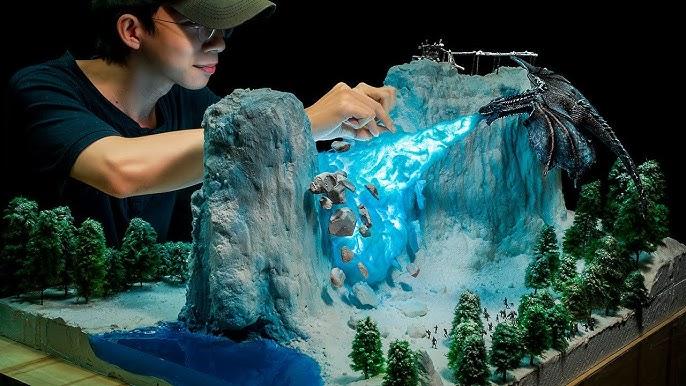
Before the digital revolution, filmmakers had no choice but to rely on physical models and miniatures to depict everything from alien landscapes to historical landmarks. These miniature models, often referred to as practical effects, allowed directors to manipulate lighting, camera angles, and perspective in ways that made the models appear far larger than they actually were.
In modern filmmaking, dioramas are still used for practical effects in certain scenarios where CGI might be too expensive or less effective. For example, filmmakers may use miniatures to capture a detailed shot of a city or a ship’s interior. The advantage of using physical models over digital ones is that they allow for more tangible, realistic interactions with the environment, particularly in scenes that involve physical movement or destruction.
Example: The Use of Miniatures in ‘The Lord of the Rings’
In Peter Jackson’s ‘The Lord of the Rings’ trilogy, the filmmakers used a combination of CGI and practical effects to create the vast and varied landscapes of Middle-Earth. However, it was the use of miniature sets, known as ‘bigatures,’ that gave the films their immersive, grounded look. Massive models of structures like Minas Tirith and the Mines of Moria were painstakingly created, allowing the filmmakers to shoot scenes in which large groups of characters interacted with these miniature worlds.
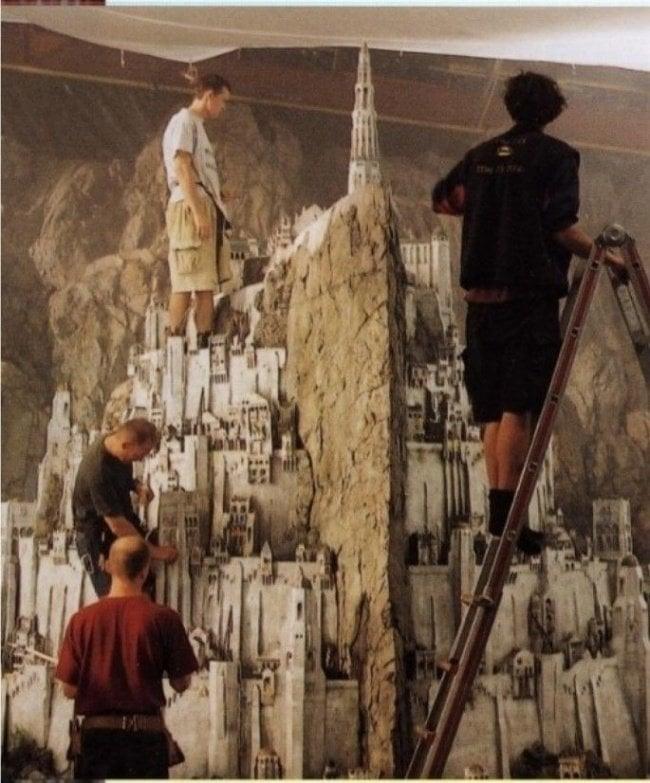
These miniatures were not simply stand-ins for digital work but were integrated into the film’s visual storytelling. The level of detail and craftsmanship of these models helped make Middle-Earth feel like a real, physical place, giving it a sense of scale and believability that CGI alone might not have achieved.
Scene Settings and Worldbuilding Through Dioramas
One of the primary uses of dioramas in modern filmmaking is in the creation of worldbuilding—the process of constructing an entire universe, including landscapes, buildings, and objects, all of which help to immerse the audience in the story. Dioramas are an invaluable tool for visualizing these intricate settings, particularly for fantastical or historical settings that cannot be easily recreated in real life.
Example: ‘Star Wars’ and the Creation of Iconic Worlds
George Lucas’s ‘Star Wars’ saga revolutionized the use of miniatures in film. The franchise employed a vast array of dioramas and models to create its iconic spaceships, planets, and cities. The miniature sets used for the Millennium Falcon or the Death Star became instantly recognizable to audiences, forming a key part of the Star Wars visual identity.
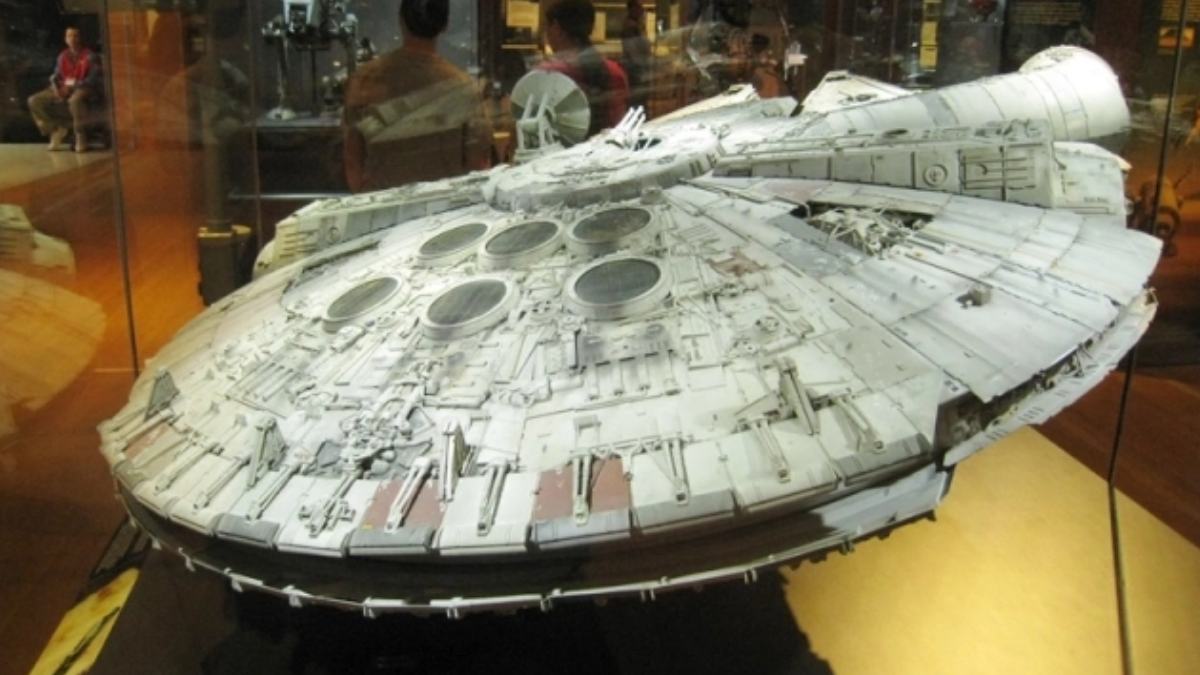
Perhaps the most famous use of dioramas in the series was the creation of the model for the Star Destroyer in ‘A New Hope’ (1977). The massive ship was built at 1/72 scale and used for some of the movie’s most iconic space battle sequences. The use of practical miniatures in these shots allowed for highly dynamic and realistic movements, providing a sense of weight and depth that CGI might have struggled to replicate in the film’s early years.
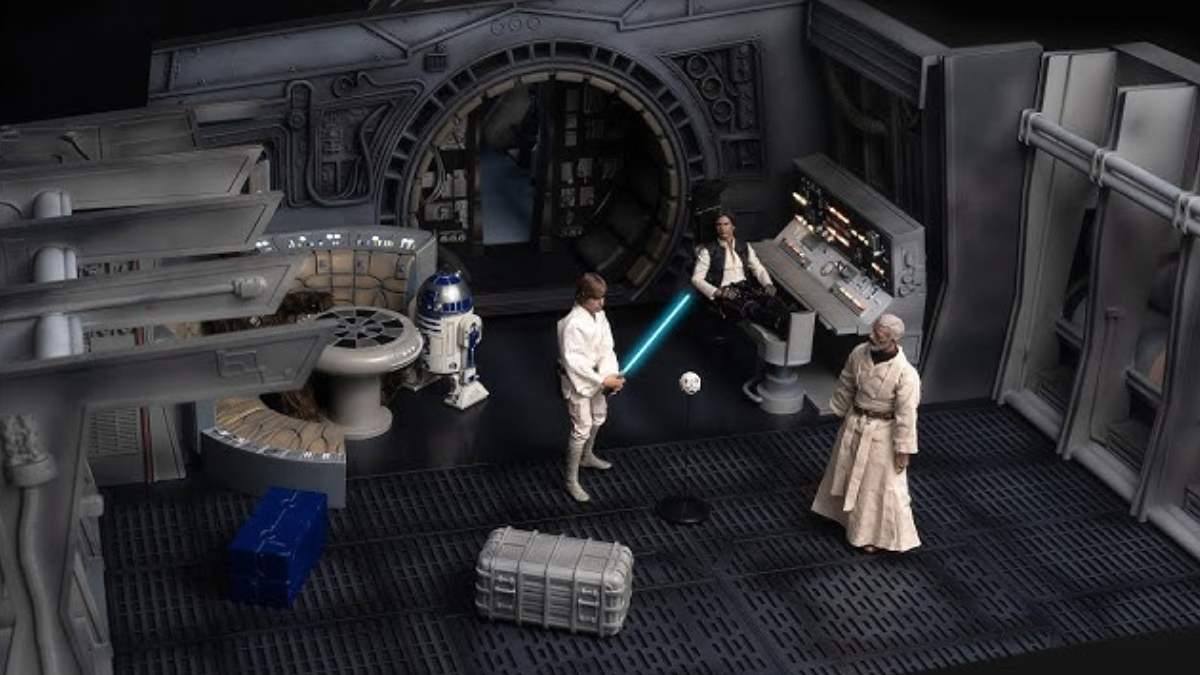
The Precision and Detail of Diorama Crafting
The process of building a diorama for film or TV is an intricate, labour-intensive art form. Crafting these miniature worlds requires an expert understanding of materials, lighting, and perspective. Diorama artists and set designers work with a variety of tools, from sculpting materials to paint and resin, to create incredibly detailed models that often go unnoticed by the audience—but serve to enhance the film's overall aesthetic.
The miniature world must also be designed with precision to match the rest of the film's visual style, whether it is a hyper-realistic re-creation of a historic building or a surreal alien landscape. This attention to detail ensures that the diorama seamlessly integrates with the live-action shots or special effects.
Miniature Sets in the Digital Age
With the rise of CGI, it may seem like miniature sets and dioramas are becoming a thing of the past. However, they continue to play an important role in many productions, even in the digital age. While CGI can create any image or scene, the tactile nature of practical miniatures still brings a unique sense of authenticity to scenes, particularly when combined with digital effects.
Filmmakers may use a mix of miniatures and CGI, utilizing the dioramas to capture certain key moments or effects that would otherwise be difficult to achieve digitally. Additionally, miniatures remain relevant in situations where the cost of building a full-scale set is prohibitive or where practical effects are required for visual cohesion.
Example: ‘Game of Thrones’ and The Battle of Winterfell
In ‘Game of Thrones’, the production team employed miniatures in many of the larger battle scenes. The Battle of Winterfell in ‘The Long Night’ (season 8, episode 3) required miniature sets to achieve certain scale effects. The dioramas allowed for more accurate shots of large-scale destruction and added another layer of realism to the otherwise digital landscape.
Dioramas and the Art of Visual Storytelling
Dioramas and miniature sets continue to play an important role in the creation of cinematic worlds. While digital effects and CGI have revolutionized the way stories are told on screen, the physicality and craftsmanship of dioramas offer a unique form of artistry that enhances the realism and immersion of film and TV. Whether used for worldbuilding, practical effects, or scene settings, these miniature works of art are essential tools in the filmmaker's toolbox, adding depth and authenticity to some of the most iconic visuals in the history of cinema.
In the end, the meticulous craftsmanship and imaginative possibilities of dioramas remind us that, sometimes, the smallest details can tell the biggest stories.
Also Read: ‘Elden Ring: Nightreign’ Unveils New Insights Into Its Story and Lore
---Silviya.Y