
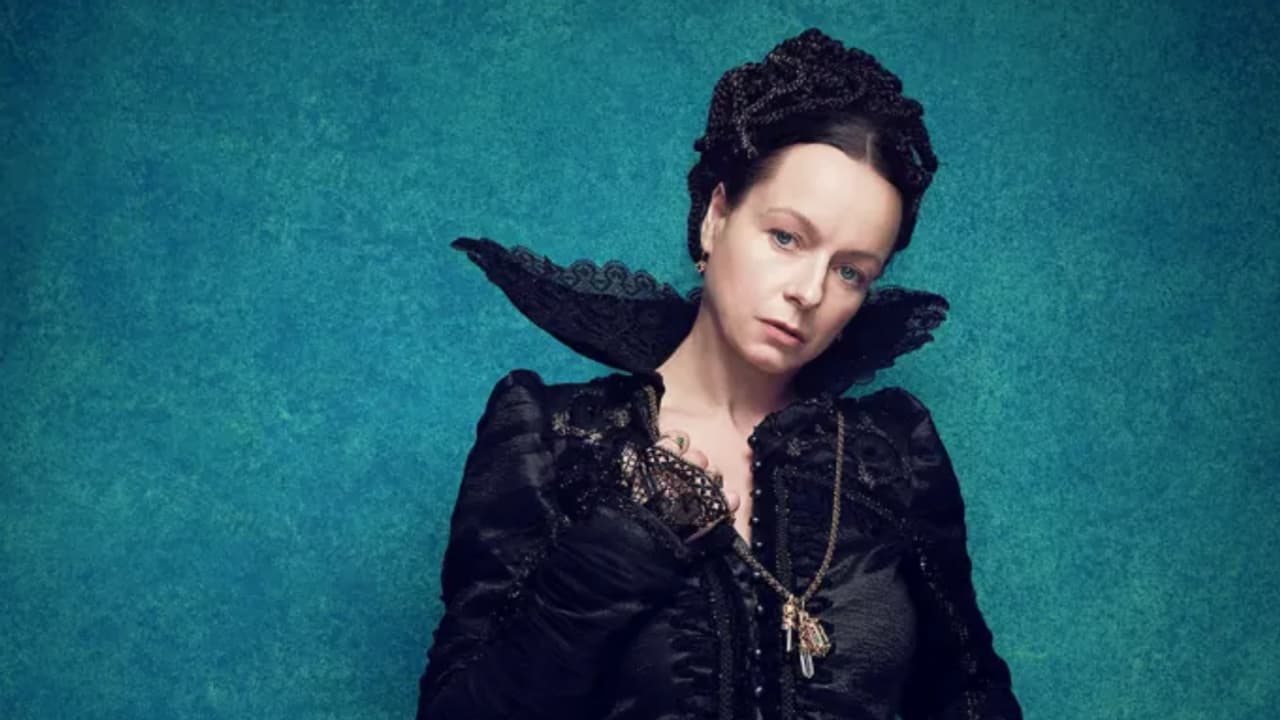
Catherine de' Medici, often portrayed as The Black Queen in various period dramas, is the subject of Starz's ‘The Serpent Queen’, which offers a unique perspective on her life. Based on Leonie Frieda’s book ‘Catherine de Medici: Renaissance Queen of France’, the show explores whether Catherine was a treacherous figure who discarded friends when they became useless or simply a powerless orphan forced to navigate a harsh world for survival. With its blend of humour and darkness, the series prompts viewers to reconsider the misunderstood queen's legacy.
The narrative of ‘The Serpent Queen’ dramatizes Catherine's tumultuous life. Notably, the series remains true to many established historical facts, particularly regarding her traumatic early years. Orphaned shortly after birth when both her parents died, Catherine faced perilous circumstances from the outset. She lived with various relatives, often missing the love and security a child needs. In 1527, Catherine was taken hostage and placed in a convent amid political unrest involving her family.
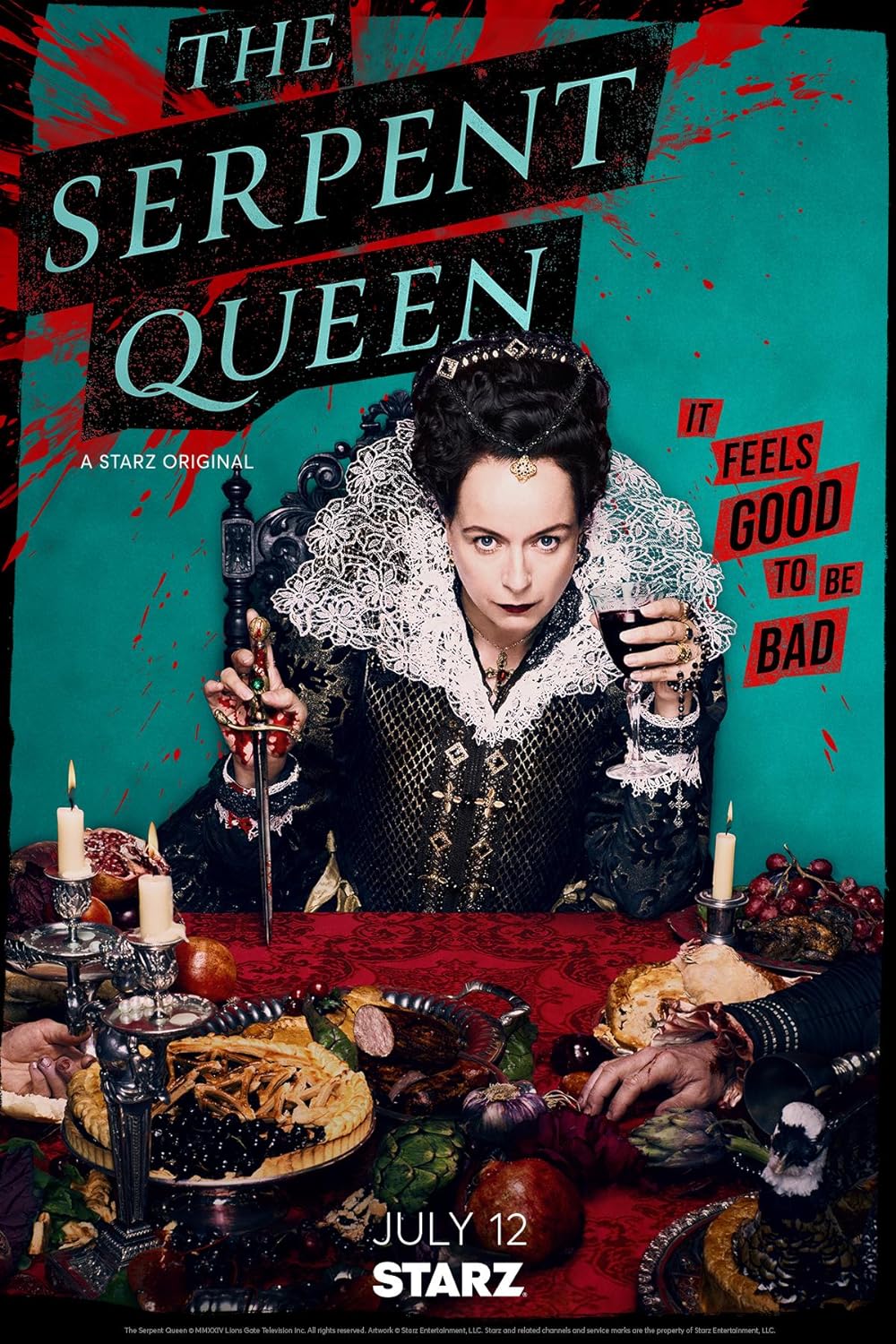
Image Courtesy: IMDb
The show’s lighter approach contrasts starkly with the grim realities she faced. For instance, at just 11, she was used as a pawn during a siege in Florence, with rebels considering horrific fates for her. The series balances these ruthless events with a portrayal of Catherine’s resilience, especially after being married off to Henry, Duke of Orleans, in a political arrangement that brought her little affection.
Catherine's struggles to bear children, a critical aspect of her role as a queen, further complicated her life. Despite consulting doctors and dabbling in folk remedies, it wasn’t until 1544 that she finally gave birth, securing her position. After Henry’s death, she manoeuvred through the court’s complexities, maintaining power through her children, particularly when her son Francis ascended the throne.
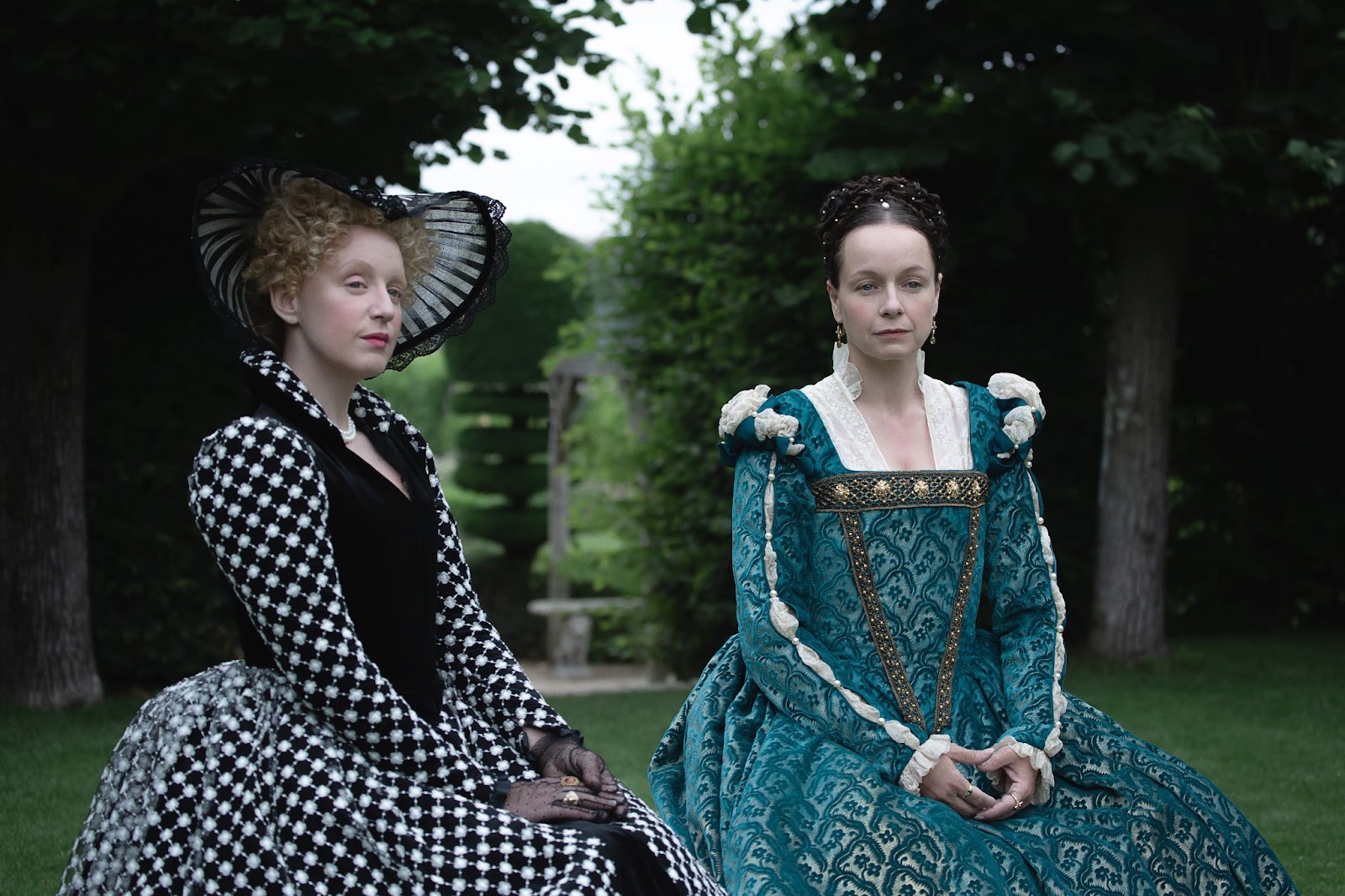
Image Courtesy: IMDb
The show also highlights the rivalry with Mary, Queen of Scots, Catherine’s daughter-in-law, dramatizing their relationship through fictional characters to enhance the narrative. Unlike other portrayals that paint her as either a villain or a victim, ‘The Serpent Queen’ offers a nuanced view, presenting Catherine as a complex figure navigating the treacherous waters of power and survival in a male-dominated court.
–Farheen Ali