
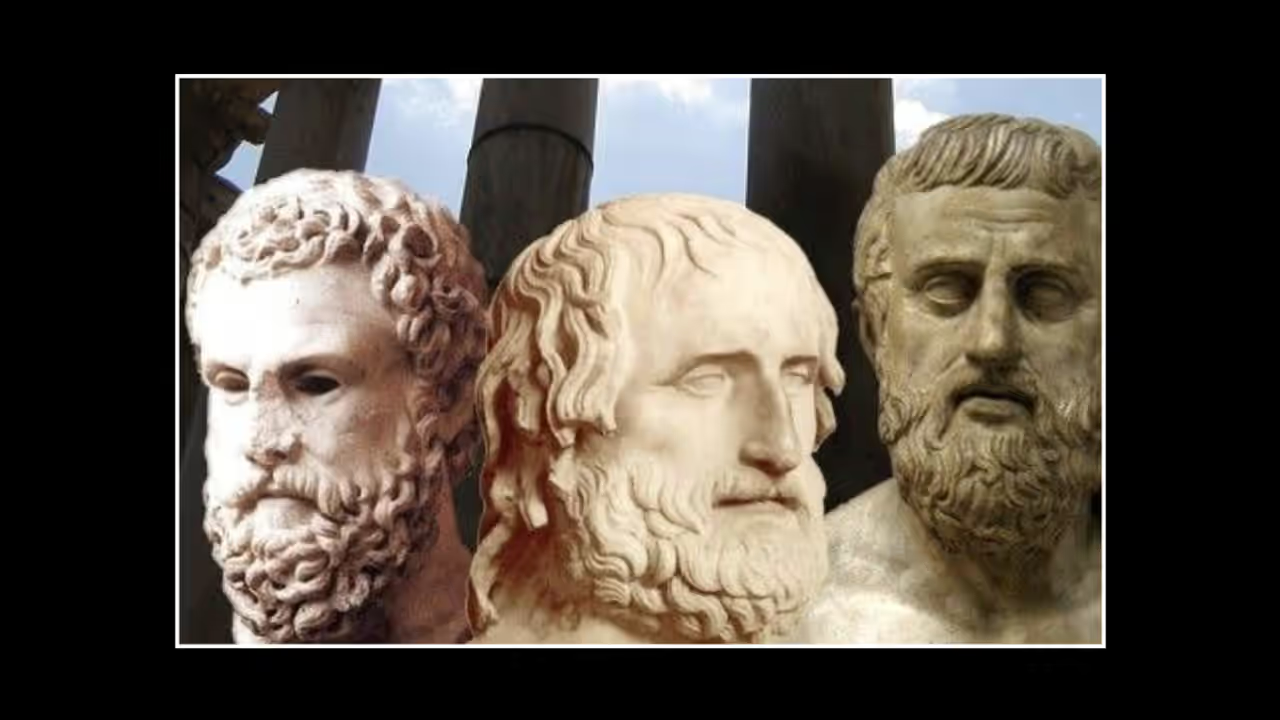
Ancient Greek theatre produced some of the most influential playwrights in history, whose works continue to shape drama and literature today. Among them, Aeschylus, Sophocles, and Euripides stand out as the most significant figures in Greek tragedy, each bringing unique innovations and themes to the stage. Their contributions helped define the dramatic arts and laid the foundation for Western theatre.
Aeschylus: The Father of Tragedy
Aeschylus (c. 525–456 BCE) is often regarded as the father of Greek tragedy. He was the first playwright to introduce the second actor on stage, moving away from performances that relied solely on the chorus and a single character. This innovation allowed for greater dramatic tension and interaction between characters.
Key Contributions:
- Expanded the Role of Actors: Introduced the second actor, making complex dialogue and conflict possible.
- Themes of Fate and Divine Justice: His plays often focused on the will of the gods and the consequences of human actions.
- The Oresteia Trilogy: His most famous work, consisting of Agamemnon, The Libation Bearers, and The Eumenides, explores themes of justice, revenge, and divine intervention.
Sophocles: The Master of Dramatic Structure
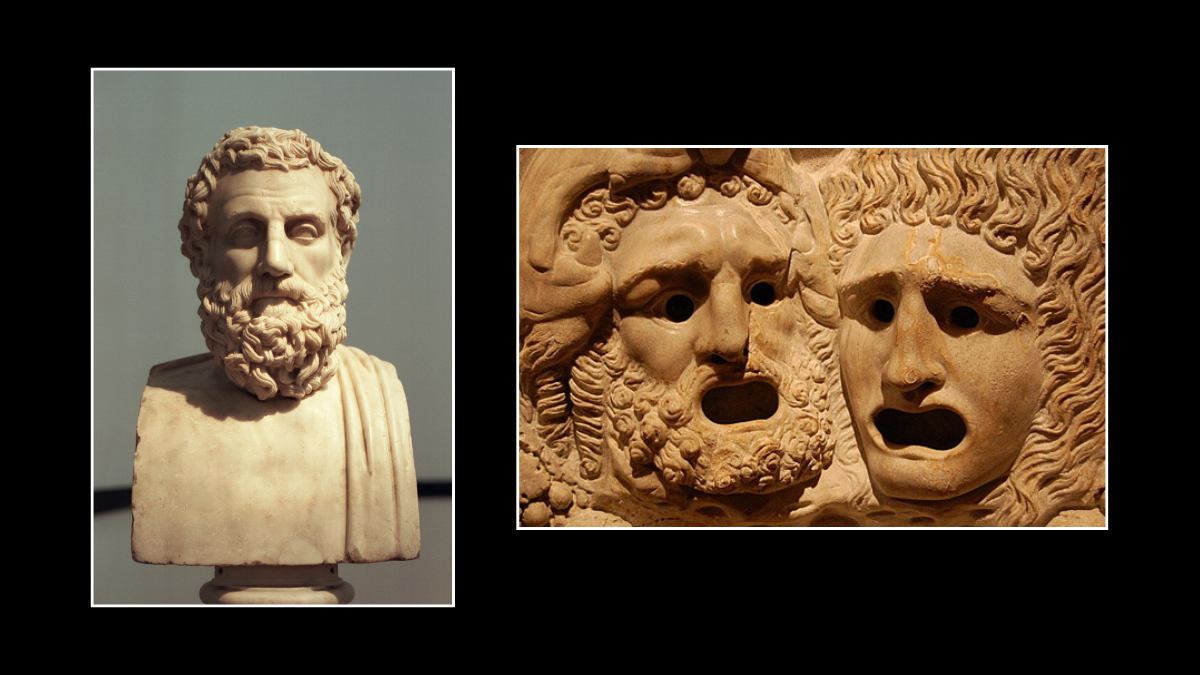
Sophocles (c. 496–406 BCE) further developed Greek tragedy by introducing a third actor, reducing the role of the chorus, and focusing on individual character development. His plays emphasized human struggle, fate, and moral dilemmas.
Key Contributions:
- Added the Third Actor: Allowed for more intricate character interactions and dramatic tension.
- Emphasized Tragic Heroism: His protagonists often faced moral conflicts and struggled against destiny.
- Oedipus Trilogy:Oedipus Rex, Oedipus at Colonus, and Antigone are his most famous works, exploring themes of fate, prophecy, and human responsibility.
Euripides: The Innovator of Human Drama
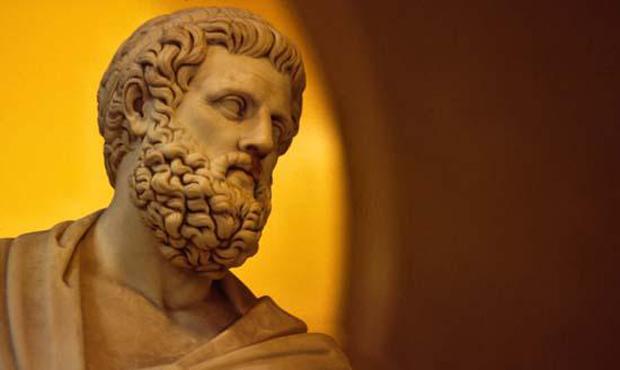
Euripides (c. 480–406 BCE) was known for his unconventional approach to Greek tragedy. He focused on psychological depth, strong female characters, and the flaws of gods and heroes, making his plays more relatable and complex.
Key Contributions:
- Realistic Characters: Unlike his predecessors, his characters displayed genuine emotions and internal struggles.
- Critical View of Mythology: He often questioned traditional beliefs, portraying gods as flawed and human-like.
- Famous Works:Medea, The Bacchae, and The Trojan Women are among his most well-known plays, featuring strong female protagonists and themes of betrayal and vengeance.
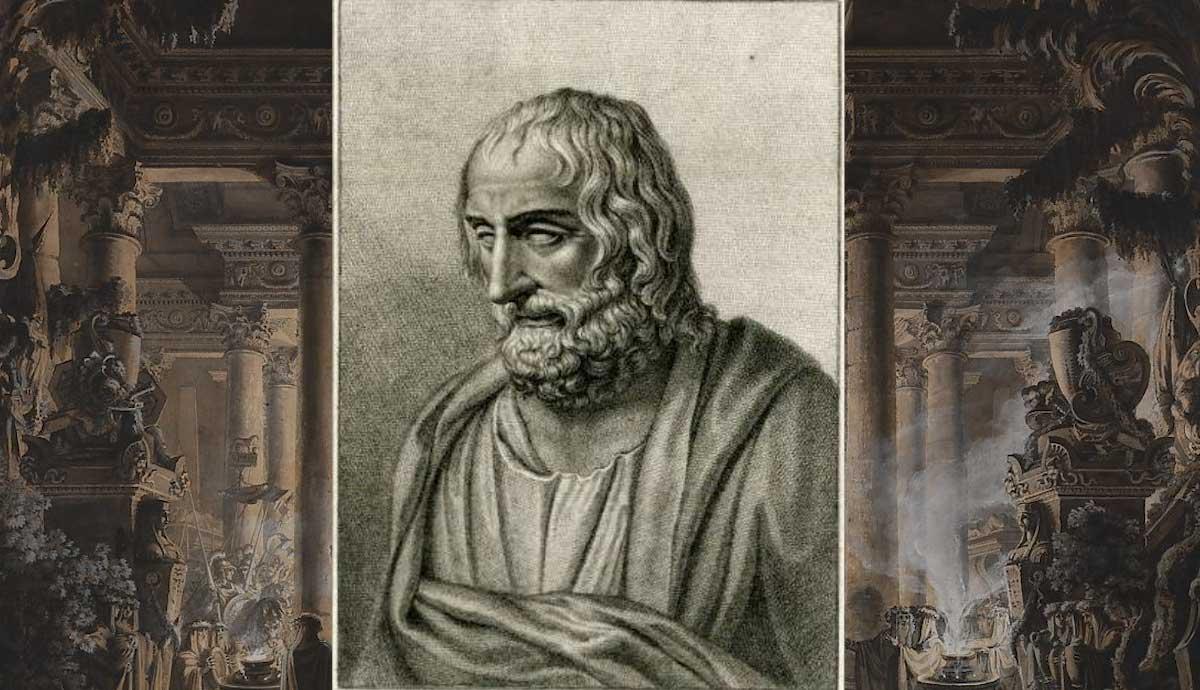
Aeschylus, Sophocles, and Euripides each played a vital role in shaping Greek tragedy and theatrical storytelling. Their innovations in character development, dramatic structure, and themes of fate, justice, and human nature continue to influence modern theatre, literature, and film. Their enduring legacy proves the timeless power of Greek drama in exploring the complexities of human existence.
Also Read: Theremin: From Soviet Invention to Sci-Fi Soundtracks
--Silviya.Y