
When '28 Days Later' hit theatres in 2002, it didn’t just reinvigorate the zombie genre—it redefined it. At a time when pop culture was saturated with shambling, slow-moving undead, director Danny Boyle introduced something terrifyingly new: fast zombies. Or rather, humans infected with the Rage virus who moved with animalistic fury. This one creative decision sent shockwaves through horror cinema, creating a new template for modern apocalyptic storytelling.
Before '28 Days Later', zombies had long followed the George A. Romero formula—slow, relentless, and often symbolic of larger societal issues. While classic zombie films like 'Night of the Living Dead' and 'Dawn of the Dead' remain iconic, their creatures were never physically threatening in the traditional sense. You could walk away from them—literally. The horror came from their sheer numbers and inevitability.
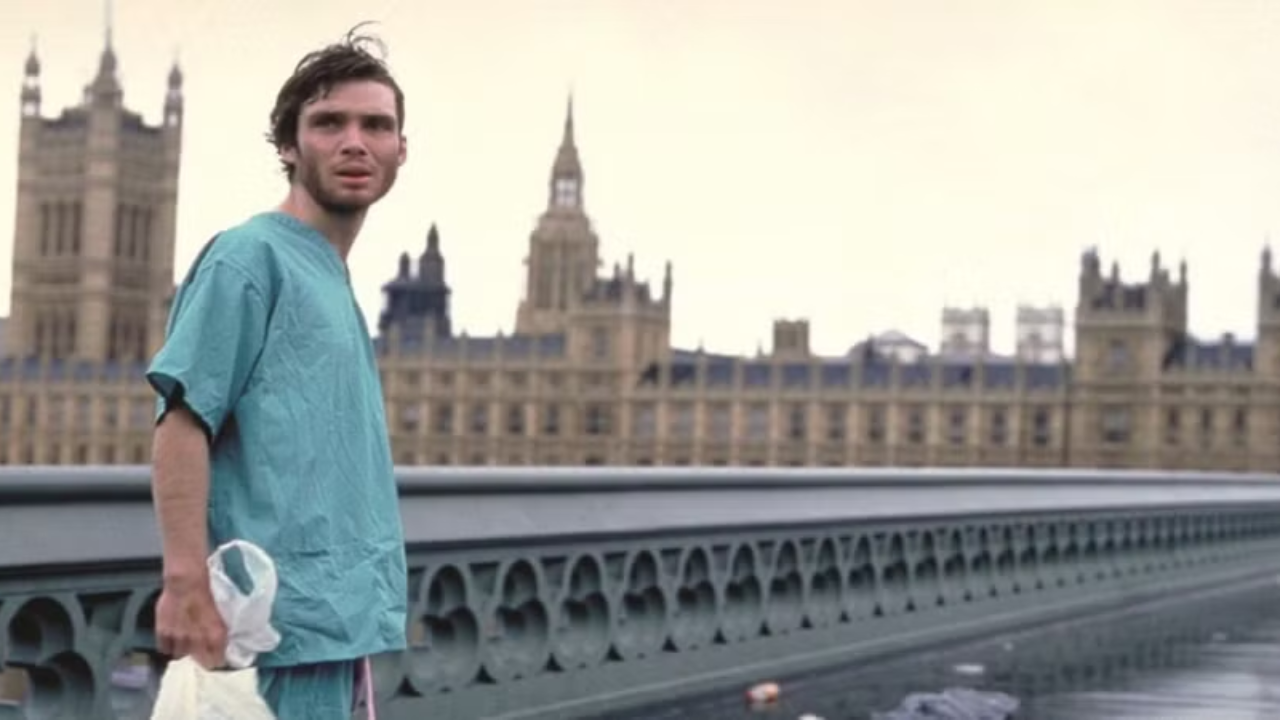
Image Courtesy: IMDb
How is The Zombie in '28 Days Later' Different?
Boyle’s infected, however, flipped that concept on its head. These weren’t the undead crawling out of graves—they were living people overcome by a viral rage that made them hyper-violent, erratic, and incredibly fast. Inspired in part by video games like 'Resident Evil', screenwriter Alex Garland imagined a version of zombies that truly felt like a physical threat. The infected didn’t stumble—they sprinted. They didn’t groan—they screamed. And they could kill in seconds.
This change brought an intense new kind of fear. No longer could survivors casually plan escape routes or take time to debate moral choices. In '28 Days Later', danger could arrive in an instant, which added urgency and unpredictability. The horror became more visceral, more immediate.
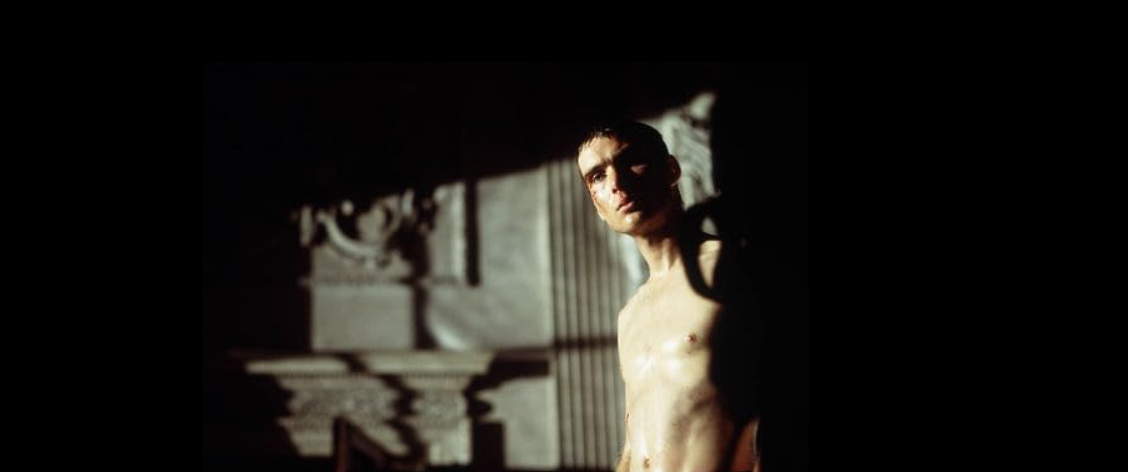 Image Courtesy: IMDb
The film’s success opened the floodgates for fast zombies across media. Movies like 'World War Z', 'Zombieland', and Zack Snyder’s 'Dawn of the Dead' remake all adopted the trope, while games like 'Left 4 Dead' and 'Dying Light' built gameplay around speed and aggression. The genre evolved from slow-burn suspense to adrenaline-pumping action horror.
What made '28 Days Later' so impactful wasn’t just the speed of its infected—it was how that speed changed the rules. The survivors’ panic felt real, their options limited, and their fate uncertain. Nearly two decades later, the debate between fast vs. slow zombies continues, but one thing is clear: '28 Days Later' didn’t just change the game—it started a whole new one.