

Since his thunderous debut in 1954, Godzilla has stood as more than just a city-smashing monster—he is a cinematic metaphor for the fears that haunt each generation. Born from the ashes of post-war Japan, Godzilla was originally a symbol of nuclear devastation, and over the decades, he has evolved to reflect shifting global anxieties, from the Cold War to the climate crisis.
The Atomic Origins of Godzilla
The original Gojira (1954) was a direct response to the nuclear trauma Japan endured following the bombings of Hiroshima and Nagasaki, as well as the hydrogen bomb tests in the Pacific. Godzilla, awakened by underwater nuclear testing, represents the uncontrollable consequences of mankind’s technological hubris. The film was grim, serious, and deeply allegorical—far from the action-packed blockbusters that would later follow. In essence, Godzilla became a walking embodiment of nuclear fallout.
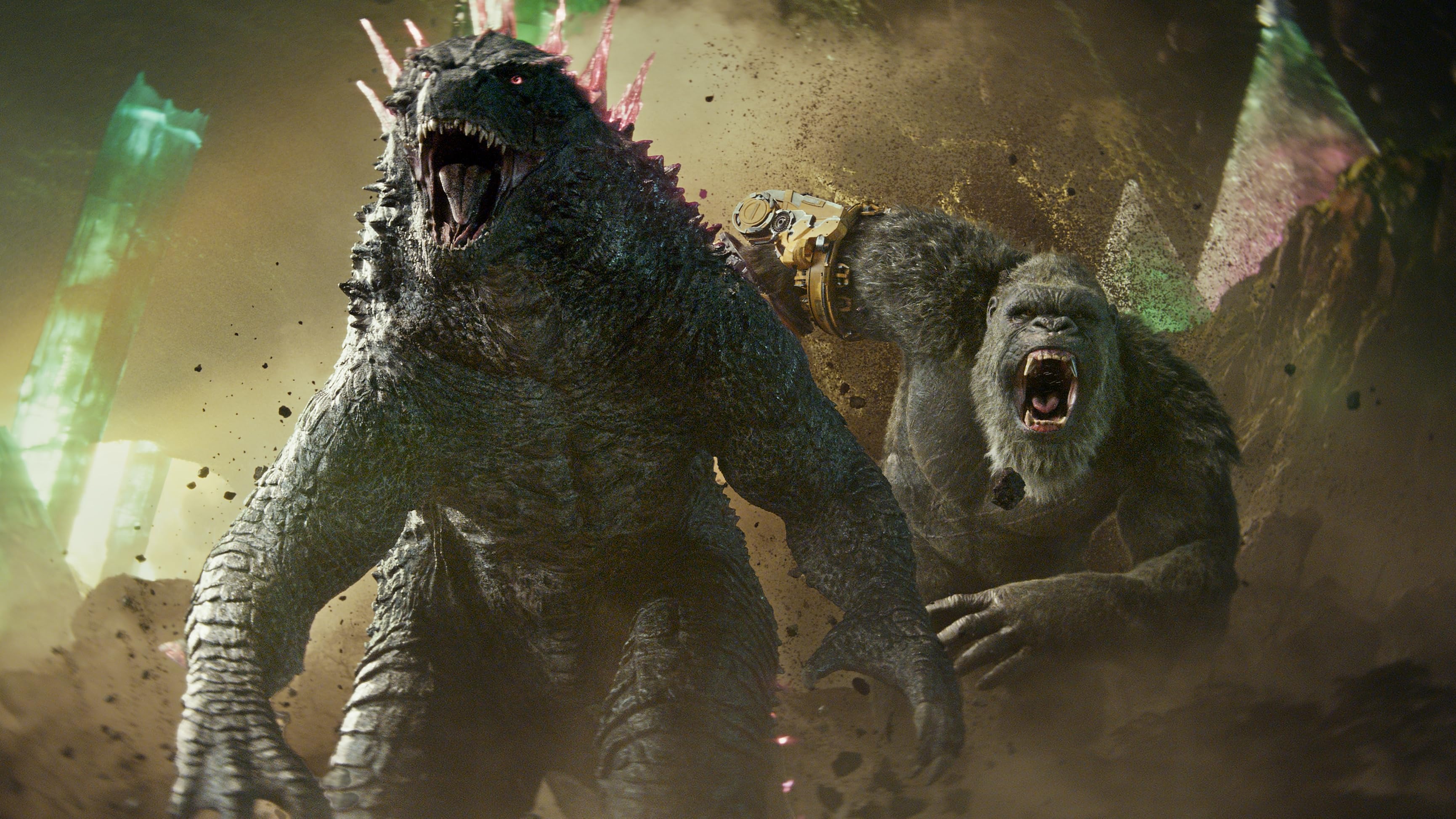
Image Courtesy: IMDb
As the Godzilla franchise expanded and evolved, so did the themes. In the 1970s and 1980s, Godzilla movies often included commentary on pollution and corporate greed, reflecting the growing environmental concerns of the time. Films like 'Godzilla vs. Hedorah' (1971) painted a monstrous picture of ecological collapse, with the titular enemy formed from toxic waste. Here, Godzilla became Earth’s reluctant protector, battling forces that threatened nature itself.
Also Read: https://indigomusic.com/feature/sansa-starks-evolution-from-pawn-to-power-player-in-westeros-9492440
A Monster for the Climate Era
In the 21st century, with climate change emerging as the dominant existential threat, Godzilla has once again shifted metaphorically. In 'Godzilla: King of the Monsters' (2019), the planet’s balance hinges on the presence of “Titans,” with Godzilla framed as a necessary force of natural correction. This paints a picture of nature fighting back against humanity’s ecological abuse.
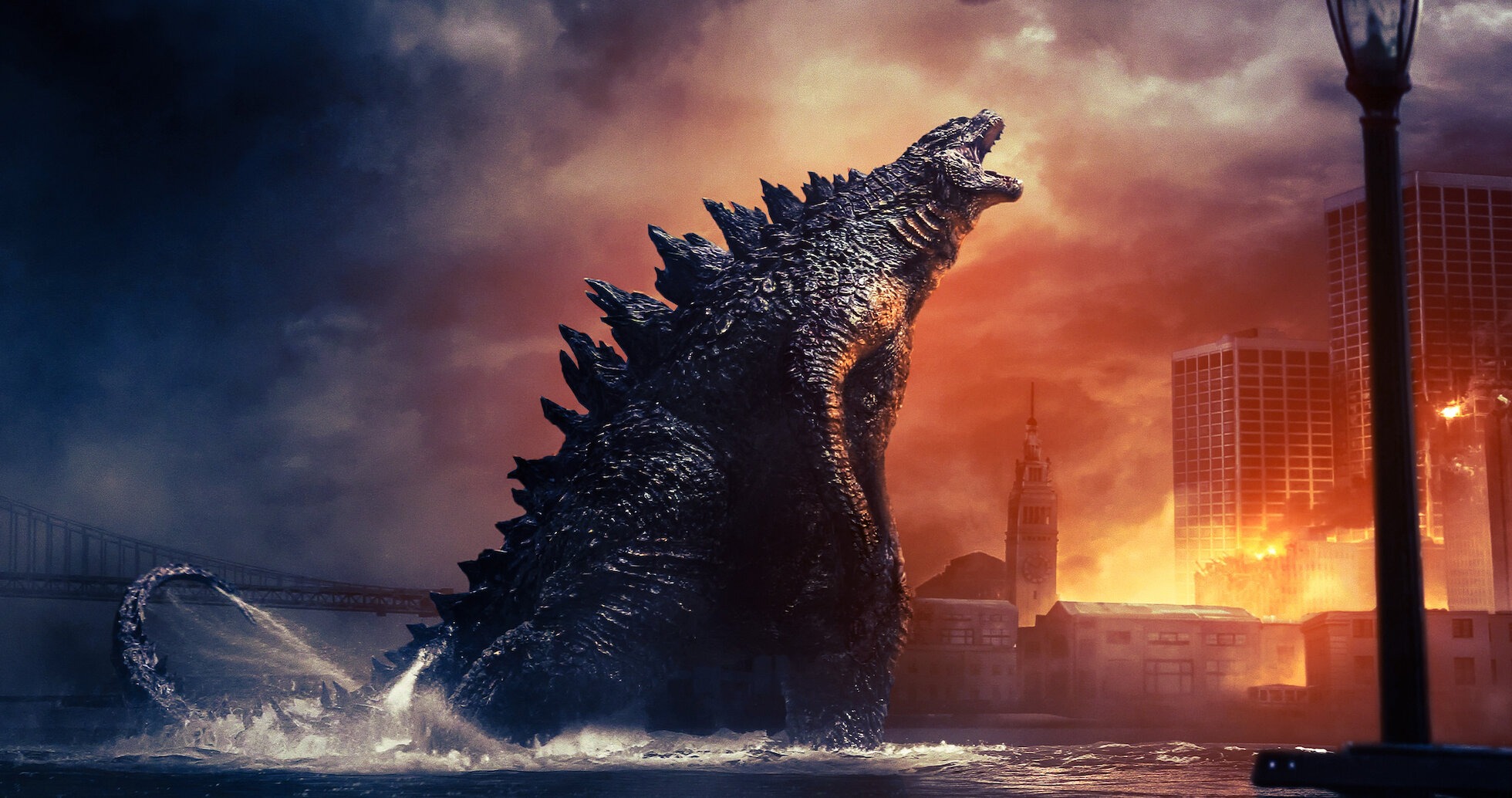
Image Courtesy: Netflix
More recently, 'Godzilla Minus One' (2023) returned to the monster’s nuclear roots but with a more intimate, character-driven approach, reminding viewers that personal trauma, collective guilt, and survival in a post-disaster world are still deeply relevant.
Godzilla remains one of cinema’s most enduring symbols because it adapts to reflect our deepest fears. Whether it’s the spectre of nuclear annihilation, the slow-moving catastrophe of climate change, or the loss of control over technological power, Godzilla shows us what happens when nature retaliates. He may roar and rage on screen, but at his core, he’s a mirror—reflecting our anxieties back at us, one footstep at a time.
Also Read: https://indigomusic.com/feature/why-lucifer-is-more-than-just-a-procedural-with-a-twist-9483424