
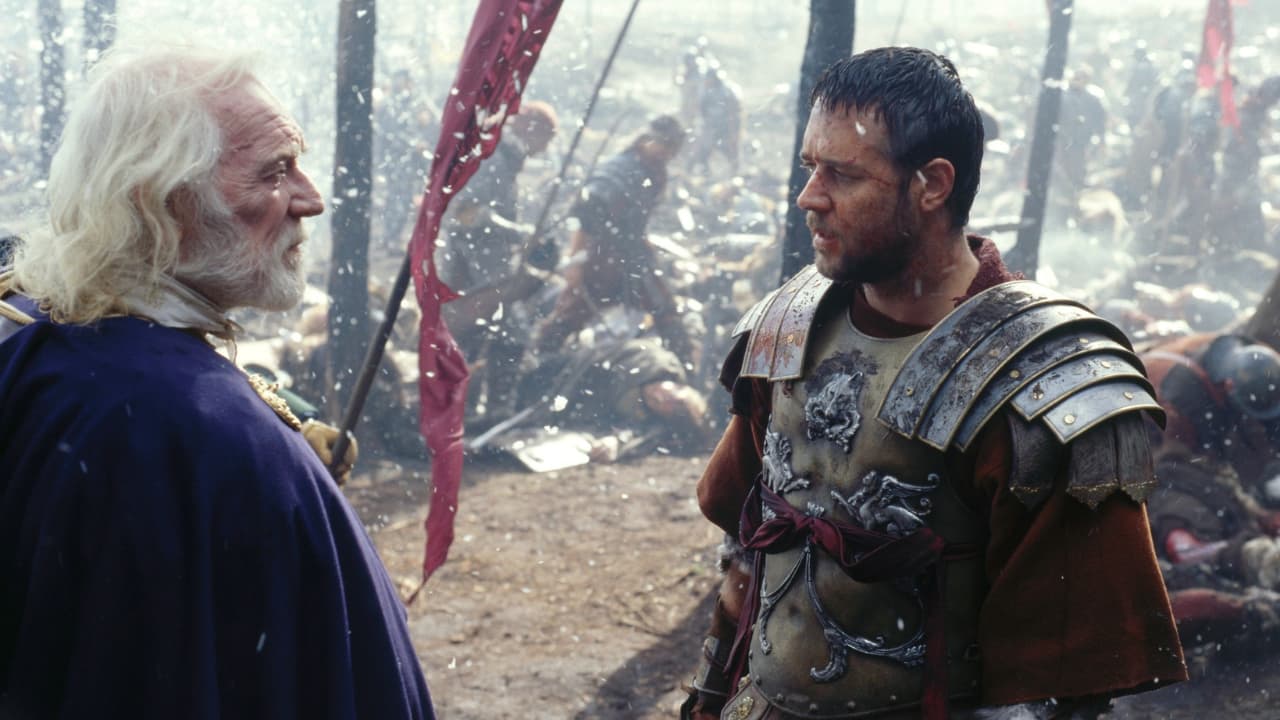
When Ridley Scott’s 'Gladiator' hit theatres in 2000, it didn’t just earn box office success and multiple Oscars—it single-handedly revived and redefined the sword-and-sandal genre for modern audiences. With its gripping story, brutal action, and emotional depth, 'Gladiator' brought new life to a category of historical epic that had largely fallen out of favour since the golden age of Hollywood.
Before 'Gladiator', the genre was best known for mid-20th-century classics like 'Ben-Hur' (1959), 'Spartacus' (1960), and 'Cleopatra' (1963). These films were visually spectacular but often leaned into melodrama and biblical or mythological narratives. By the late '70s and '80s, audience interest had shifted toward science fiction, action, and contemporary thrillers. Sword-and-sandal epics were viewed as outdated relics of the past.
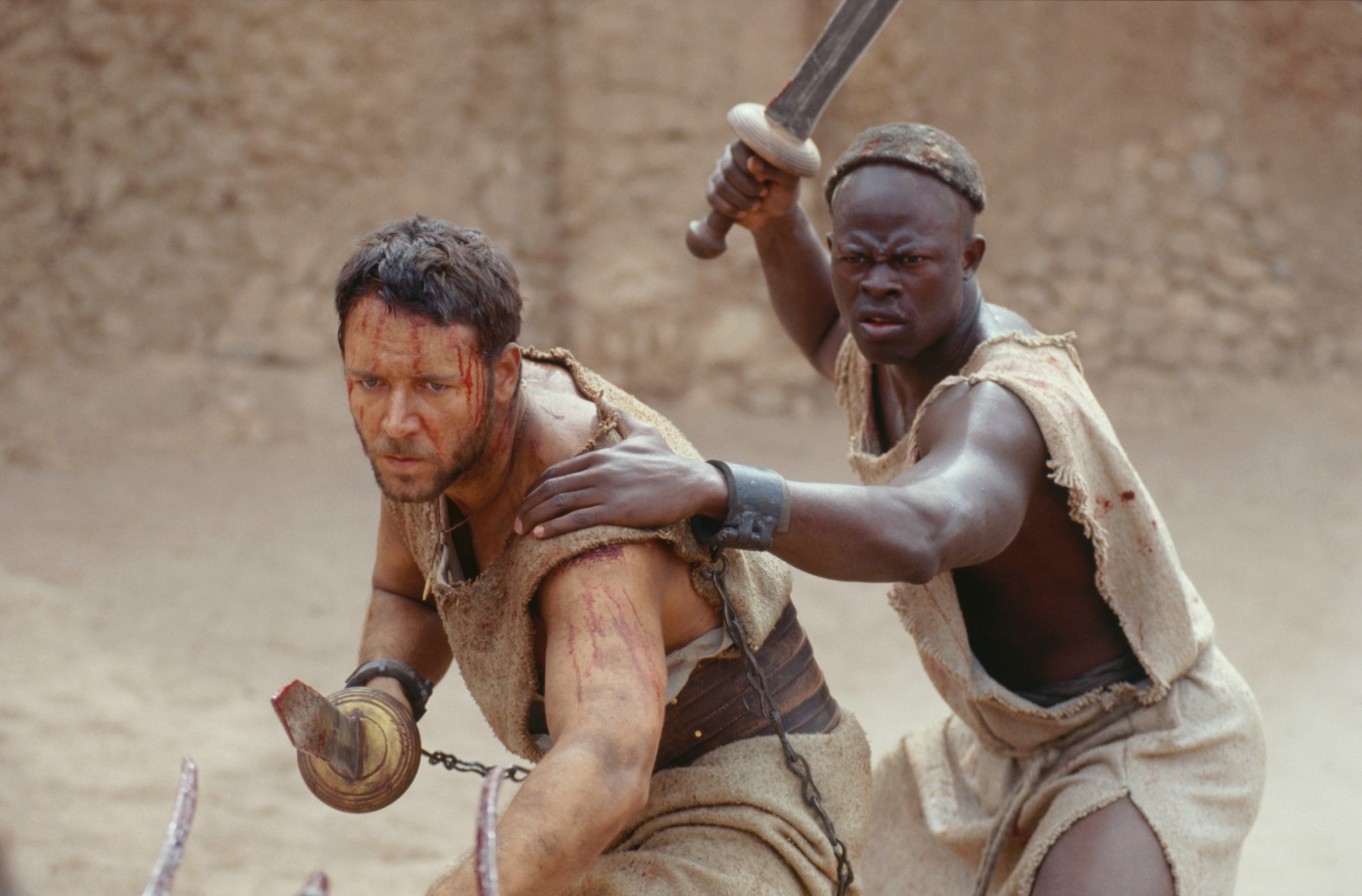
Image Courtesy: IMDb
What Changes 'Gladiator' Brought?
Then came 'Gladiator'. With its gritty realism, political intrigue, and emotional storytelling, it broke the mould. Russell Crowe’s Maximus was not a larger-than-life legend but a grounded, grief-stricken warrior driven by revenge and honour. The film’s raw, visceral battles, paired with Hans Zimmer’s haunting score, made ancient Rome feel immediate and alive. Its attention to historical detail—though not without fictional liberties—gave the film authenticity that connected with a new generation of viewers.
Crucially, 'Gladiator' proved that historical epics could be both critically acclaimed and commercially viable. It grossed over $460 million worldwide and won five Academy Awards, including Best Picture and Best Actor for Crowe. Hollywood took note. In the years that followed, a wave of similarly themed films hit theatres: 'Troy' (2004), 'Alexander' (2004), 'Kingdom of Heaven' (2005), and '300' (2006). Even television followed suit, with HBO’s 'Rome and Starz’s 'Spartacus' pushing the boundaries further.
Also Read: https://indigomusic.com/feature/what-makes-smurfette-the-heart-of-the-smurfs-franchise-9500134
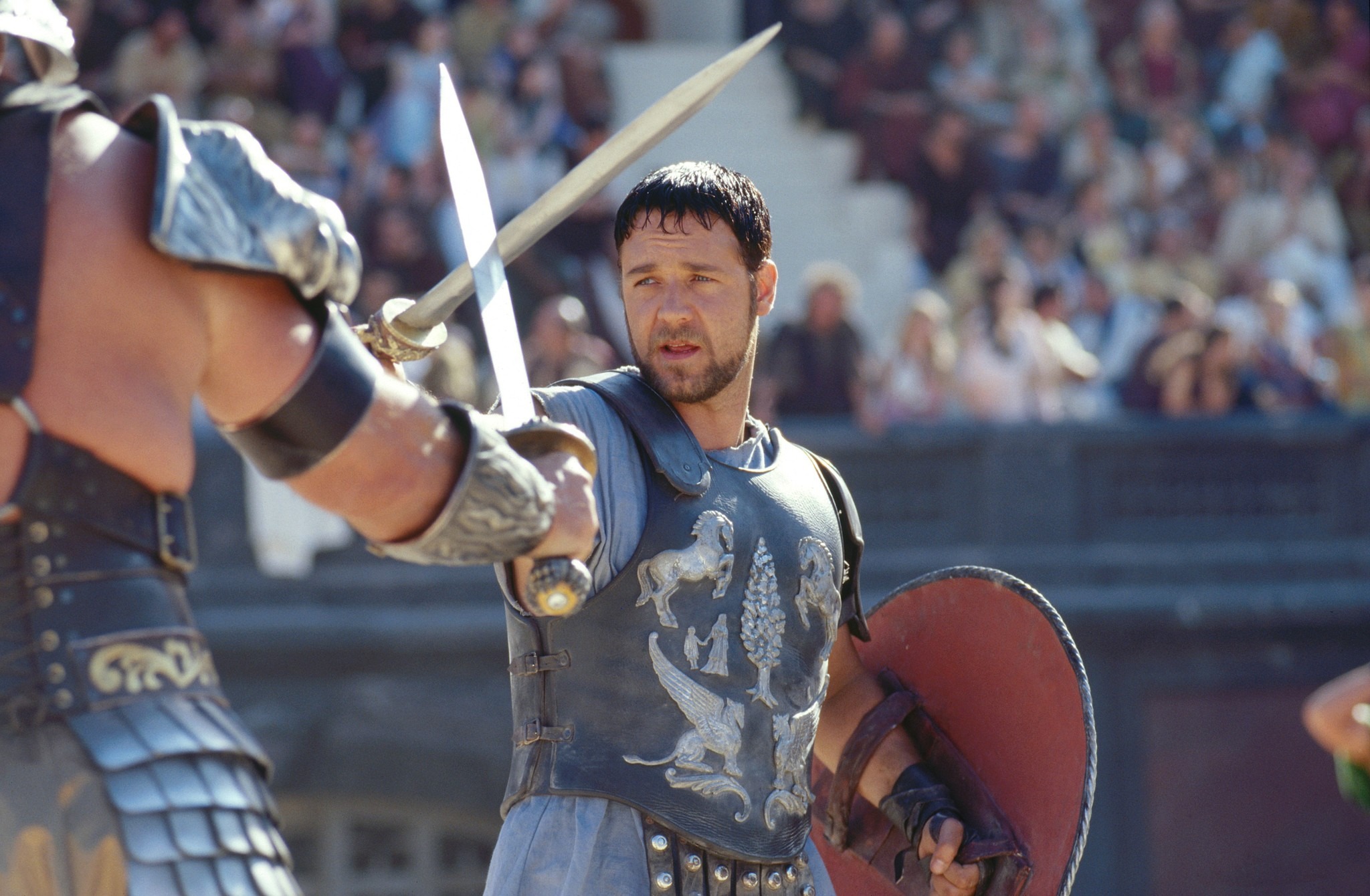
Image Courtesy: IMDb
Beyond its cinematic success, 'Gladiator' left a lasting cultural impact. It reignited global interest in Roman history and mythology, inspired video games and novels, and reestablished the sword-and-sandal epic as a genre capable of delivering both spectacle and substance.
Ridley Scott’s original masterpiece didn’t just entertain—it transformed how filmmakers and audiences alike view ancient stories. Thanks to 'Gladiator', the past became thrillingly present again, and the sword-and-sandal genre was reborn for the 21st century.