
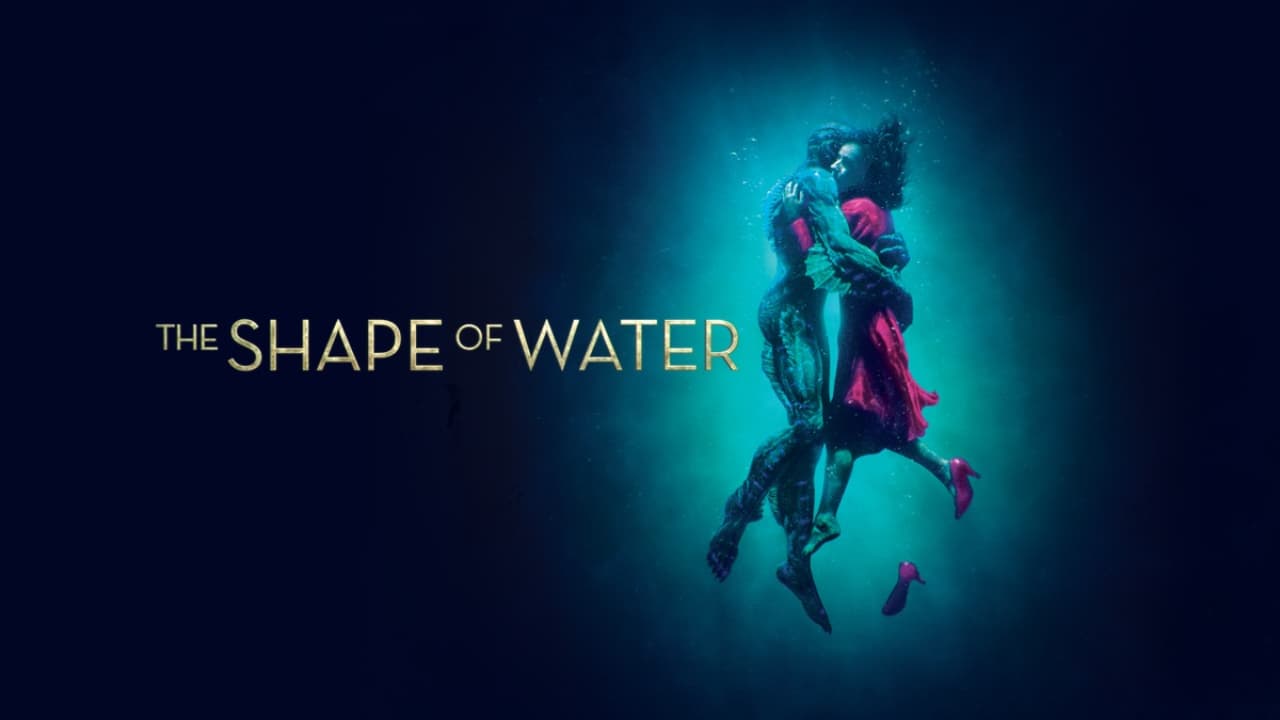
Guillermo del Toro’s 'The Shape of Water' is often described as a dark fairytale, but beneath its magical exterior lies a powerful narrative about people who live on the margins of society. By combining classic fairytale tropes with real-world social issues, del Toro created a story that speaks to anyone who has ever felt voiceless, isolated, or overlooked.
At its core, the film follows Elisa, a mute woman who works as a janitor in a secret government facility during the Cold War era. She forms a bond with an amphibious creature locked inside a laboratory tank. Although it sounds fantastical, del Toro uses traditional fairytale elements — the lonely heroine, the misunderstood monster, the evil authority figure — to mirror the struggles of outsiders in the real world.
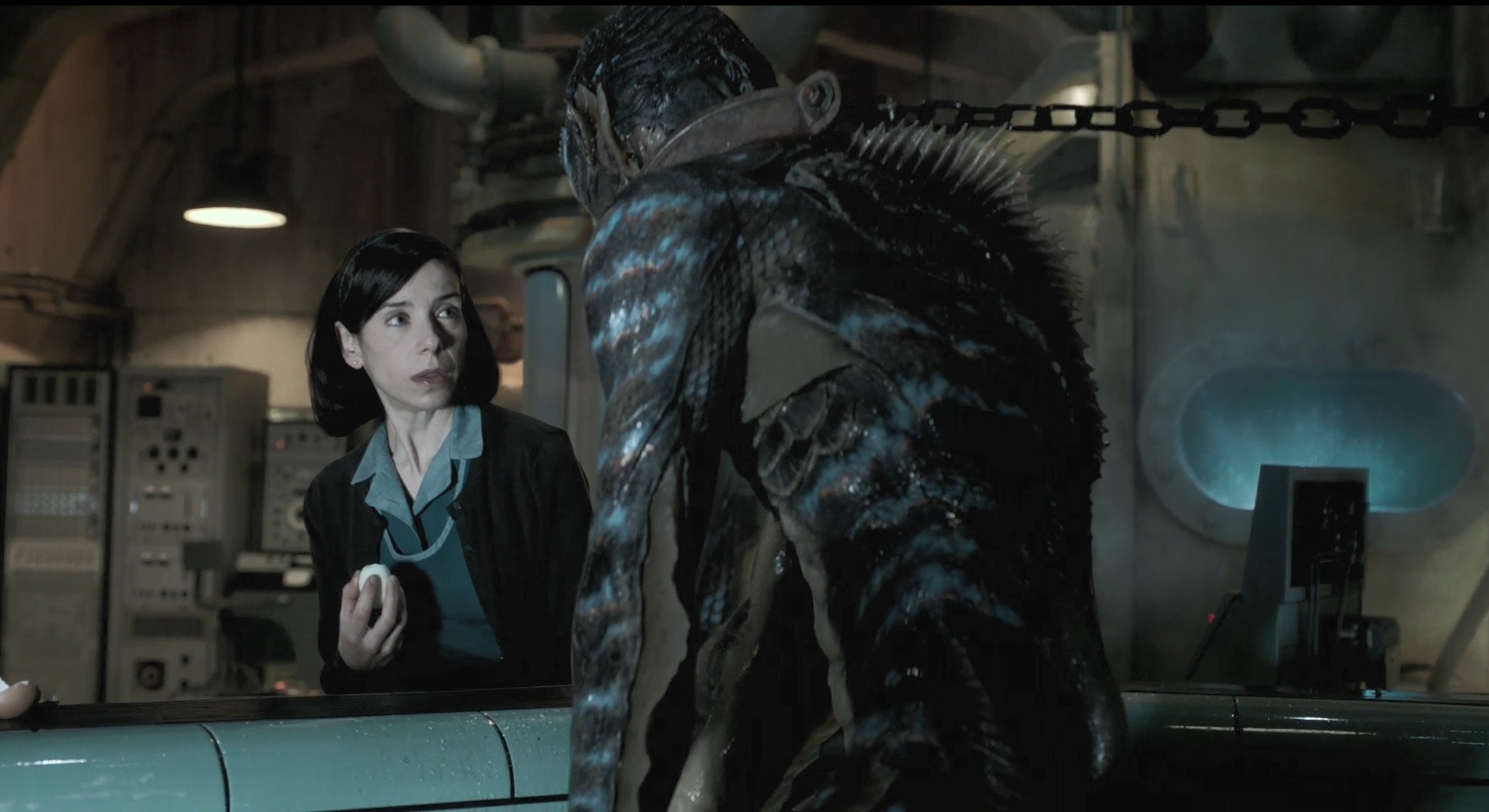
Image Courtesy: IMDb
What Makes 'The Shape of Water' a Standout?
What makes 'The Shape of Water' so effective is how it positions marginalised characters at the heart of a genre where they are rarely the heroes. Elisa cannot speak, her best friend Zelda is a Black cleaning woman, and her neighbour Giles is a gay artist facing ageism and discrimination. These characters form their own small world of acceptance and empathy, standing in sharp contrast to the cold, conformist society around them. In fairytales, it is often the pure-hearted and vulnerable who show the greatest strength, and del Toro leans into this tradition to elevate his characters.
The film’s villain, Strickland, represents the oppressive norms of that society — a controlling, prejudiced man who values power over compassion. He treats the amphibious man as a monster, but del Toro flips that concept in 'The Shape of Water' by showing who the real monster is. Just as in classic folktales, the “beast” in this story is actually more human than the humans who imprison him.
Also Read: https://indigomusic.com/feature/how-beetlejuice-shaped-modern-halloween-culture-9647788

Image Courtesy: IMDb
What are Other Symbols in 'The Shape of Water'?
Water itself becomes a recurring symbol of freedom and transformation — a classic fairytale motif. It surrounds the characters, fills their dreams, and ultimately becomes the element that allows Elisa and the creature to escape a world that never accepted them. Like all good fairytales, the film ends not with punishment for being different, but with hope and transcendence.
Guillermo del Toro used fantasy not to escape reality, but to reflect it more poetically. By weaving fairytale magic into a story about disability, race, sexuality, and loneliness, he created a film that speaks to the beauty of those who live outside the mainstream — and reminds us that love and empathy are revolutionary acts.
Also Read: https://indigomusic.com/feature/how-the-terminator-predicted-our-fears-about-technology-9647553