
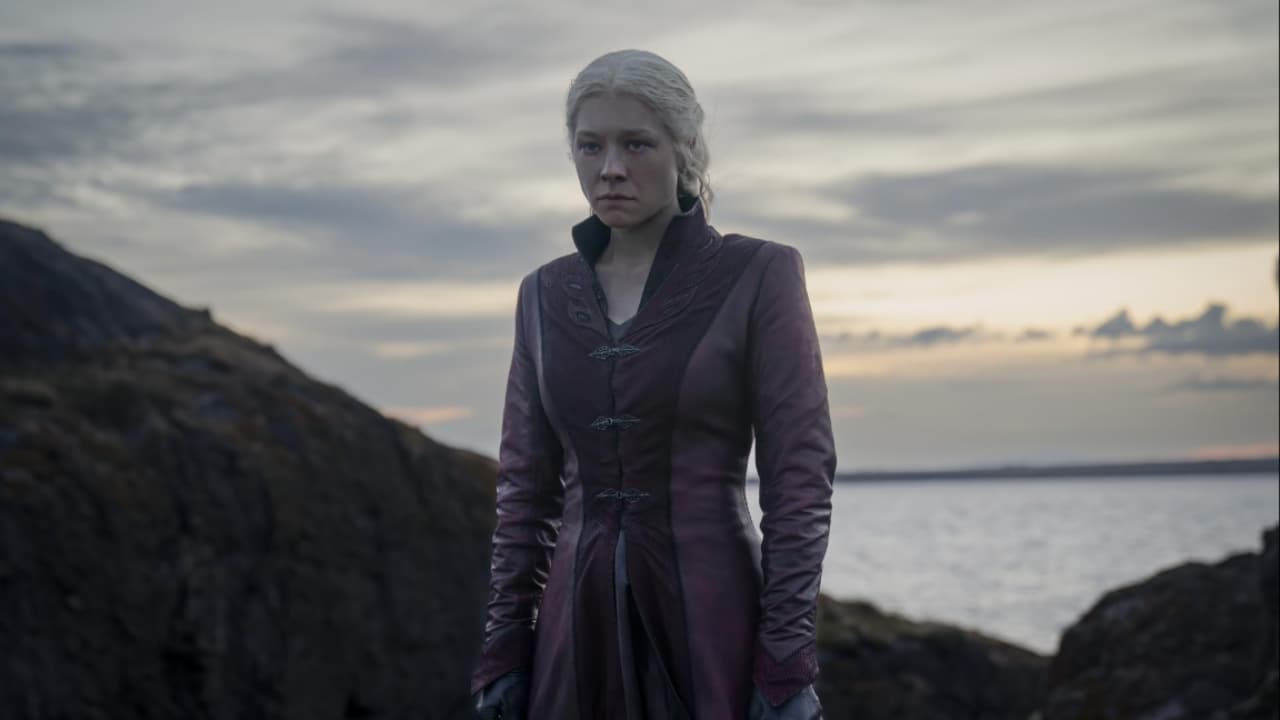
When 'Game of Thrones' first introduced viewers to House Targaryen, it painted the family as a fallen dynasty — powerful, but plagued by madness and exile. Daenerys Targaryen was presented as the last scion of a once-mighty bloodline, determined to reclaim a throne lost to rebellion. But with the arrival of House of the Dragon, audiences are now seeing a very different side to the Targaryens — one that is far more complex, vulnerable, and morally conflicted.
Set nearly 200 years before the events of 'Game of Thrones', House of the Dragon dives deep into the golden age of Targaryen rule. At its peak, the family wasn’t just feared for their dragons — they were entrenched in politics, power struggles, and internal divisions that would ultimately lead to their downfall. This prequel shows that their greatest threat wasn’t rebellion from outsiders, but war from within.
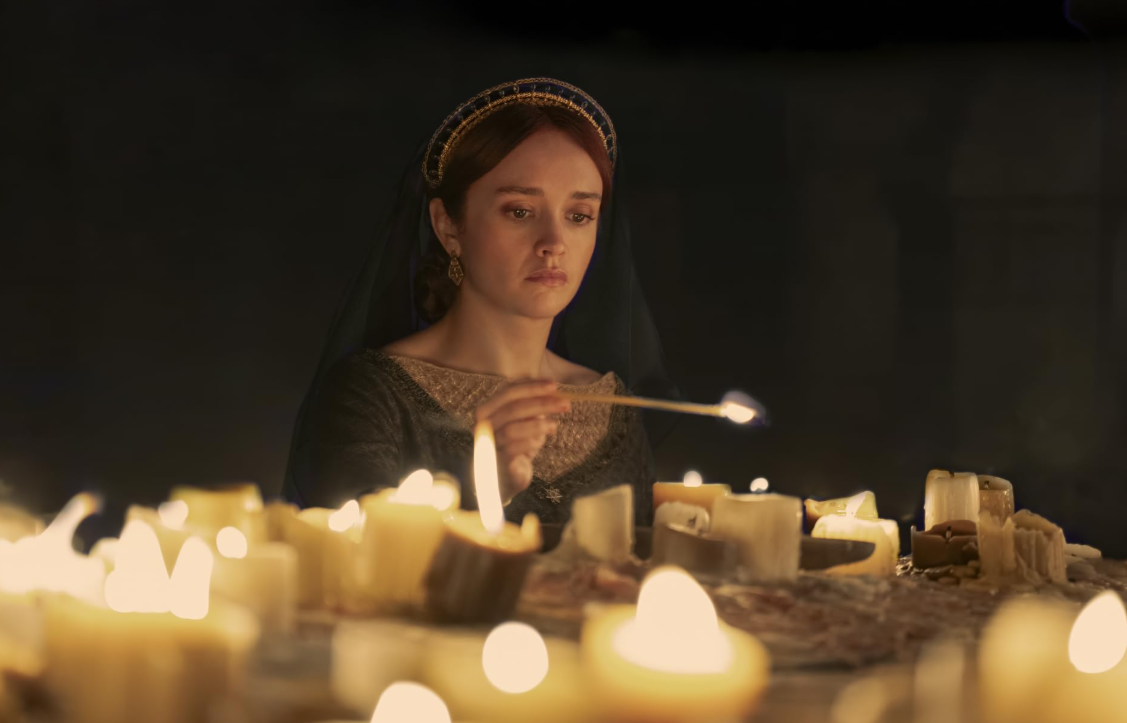
Image Courtesy: IMDb
Portrayal of House Targaryen
The series redefines the Targaryens not as singular figures like Daenerys or Viserys I, but as a multi-generational dynasty with competing interests, conflicting ideologies, and fragile alliances. Rhaenyra Targaryen and Alicent Hightower’s rivalry reveals how gender, succession, and loyalty played crucial roles in the shaping of the realm. The infamous Dance of the Dragons — a civil war between Targaryen factions — shifts the narrative from a family of conquerors to one of tragic self-destruction.
House of the Dragon also humanises the Targaryens in ways 'Game of Thrones' never did. We see their marriages, friendships, children, and struggles. Characters like Rhaenyra and Daemon are neither saints nor villains. Instead, they embody the duality of power and weakness, ambition and duty. The series questions the Targaryen legacy, showing that their dragons and bloodline were both a source of strength and a curse.
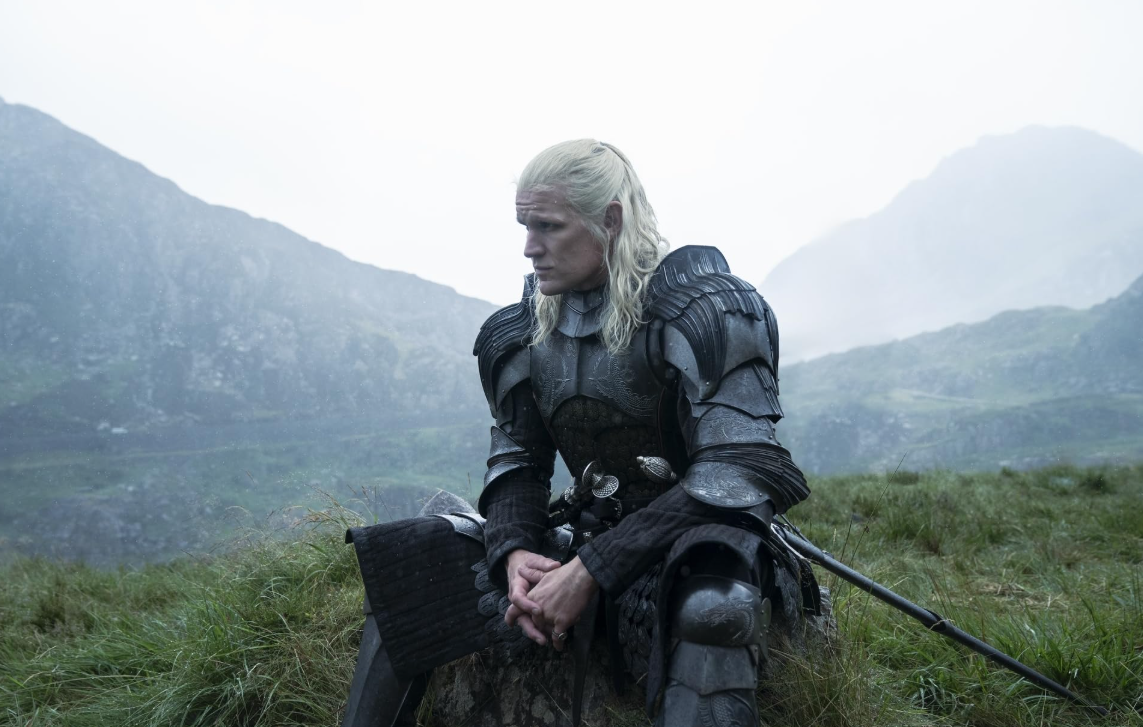
Image Courtesy: IMDb
Visually and thematically, the show enhances the mythical aura of House Targaryen. Their dragon-bonding rituals, family ceremonies, and even their High Valyrian speech deepen the culture behind their rule. While Daenerys’s journey was about reclaiming a lost heritage, House of the Dragon reveals what that heritage truly cost.
Ultimately, the prequel changes our understanding of House Targaryen from a family wronged by history to one that played a significant role in writing — and destroying — its own. It challenges the audience to reconsider whether the Targaryens were ever fit to rule, or if their downfall was inevitable all along.