
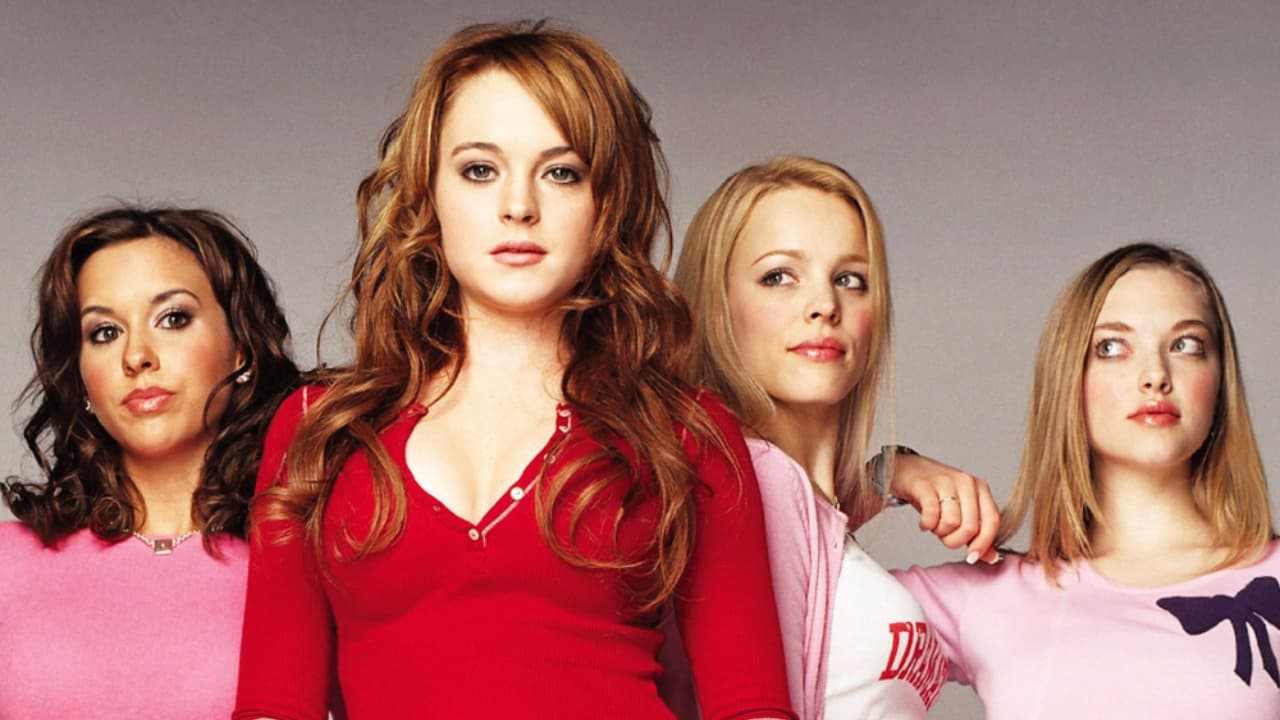
When 'Mean Girls' hit theatres in 2004, it didn’t just deliver endlessly quotable one-liners — it redefined the teen movie genre. Written by Tina Fey and based on Rosalind Wiseman's book 'Queen Bees and Wannabes', the film quickly became a cultural touchstone that still influences teen-centred media two decades later. Unlike many high school comedies that came before it, 'Mean Girls' offered a sharper, more self-aware look at adolescent life, girlhood, and social hierarchies.
Before 'Mean Girls', teen movies often followed a familiar formula: nerdy protagonist gets a makeover, wins the popular crowd’s approval, and finds love along the way. While 'Mean Girls' included some of those ingredients, it subverted expectations by adding biting satire and complex female characters. Cady Heron (Lindsay Lohan) starts off as a homeschooled outsider but is quickly consumed by the toxic world of The Plastics — a group that’s more about power than popularity. Her transformation is not glamorous; it’s messy, misguided, and morally ambiguous, reflecting a more realistic coming-of-age journey.
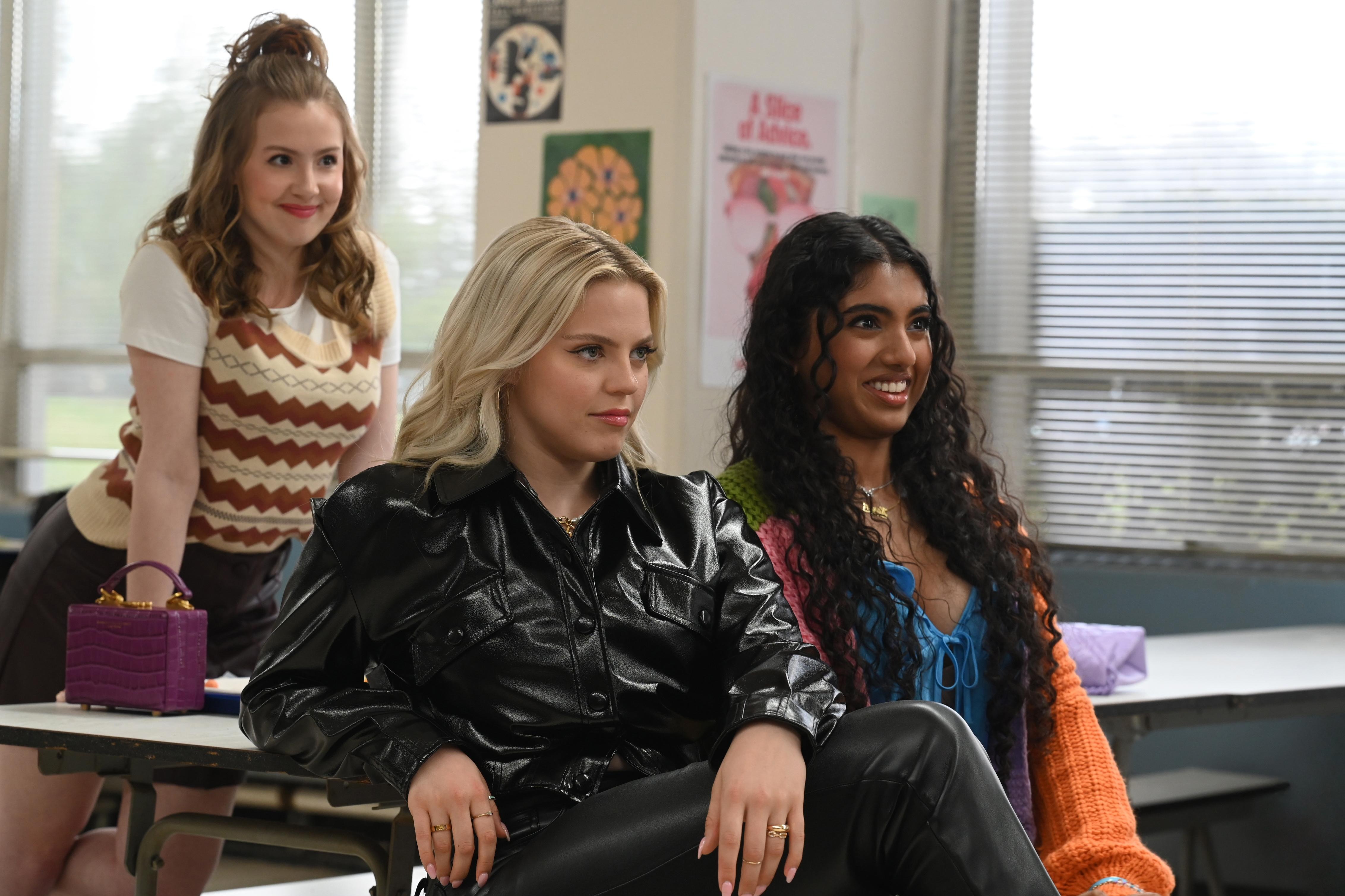
Image Courtesy: IMDb
'Mean Girls' Introduces New Archetype
The film also introduced a new archetype: the self-aware queen bee. Regina George (Rachel McAdams) wasn't just a typical “mean girl” — she was intelligent, manipulative, and oddly charismatic. This layered portrayal gave villains in teen movies more depth, setting a new standard for teen antagonists. It also paved the way for future complex female leads in series like 'Gossip Girl', 'Euphoria', and 'Pretty Little Liars'.
Perhaps the most revolutionary aspect of 'Mean Girls' was its commentary on internalised misogyny and toxic female friendships. Instead of romanticising high school popularity, the film criticised the way young women were conditioned to compete with each other. The Burn Book wasn’t just a plot device — it was a mirror held up to the audience, exposing how girls tear each other down to survive the social pecking order.
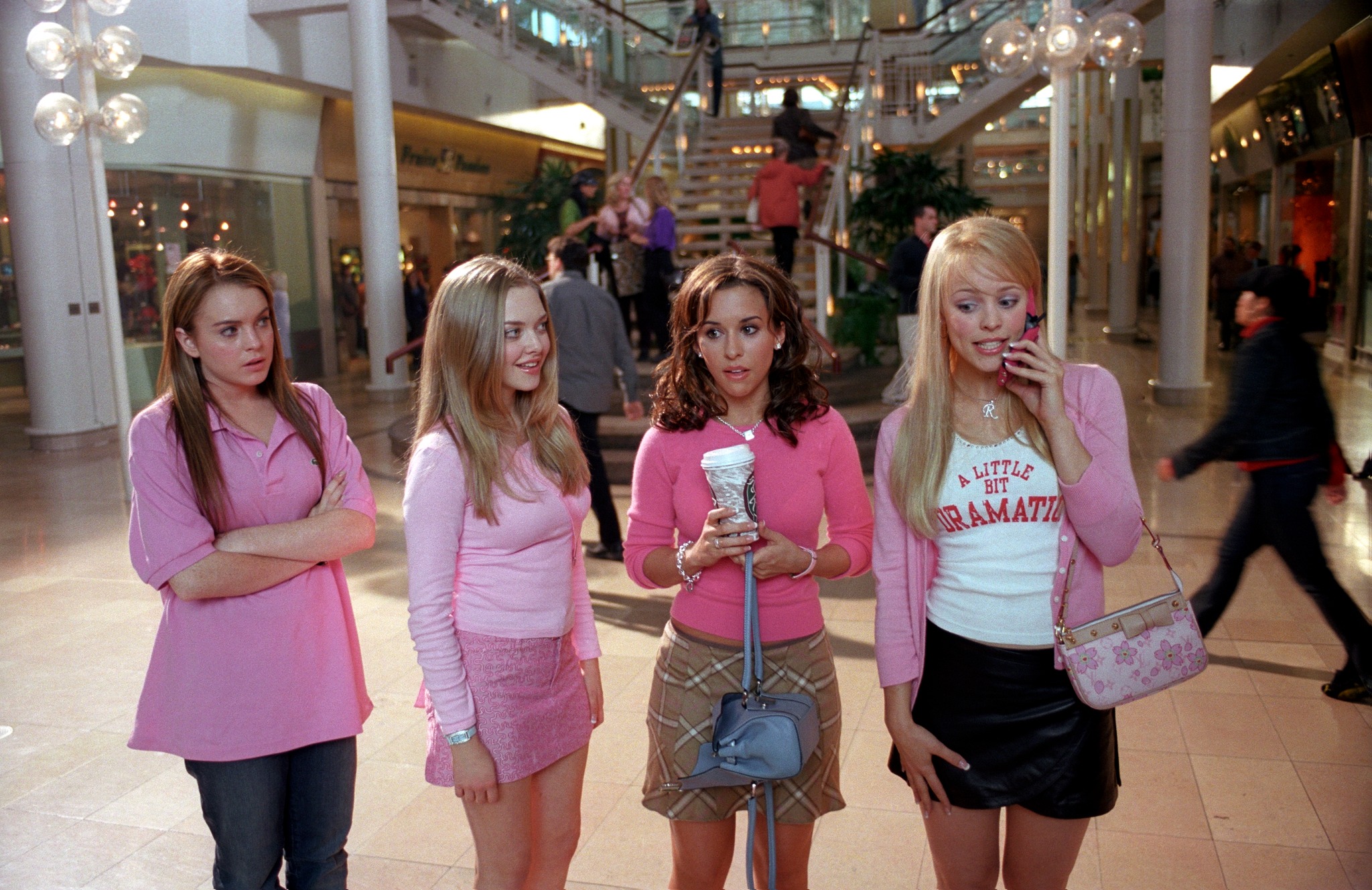
Image Courtesy: IMDb
In the years since its release, 'Mean Girls' has become more than a movie — it’s a cultural framework. From viral memes to musical adaptations, its legacy is undeniable. But more importantly, it changed how we tell teen stories. It proved that teen comedies can be smart, socially aware, and still wildly entertaining. In doing so, 'Mean Girls' didn't just change the genre — it made fetch happen.
Also Read: https://indigomusic.com/feature/stranger-things-soundtrack-how-music-became-a-weapon-9507403