
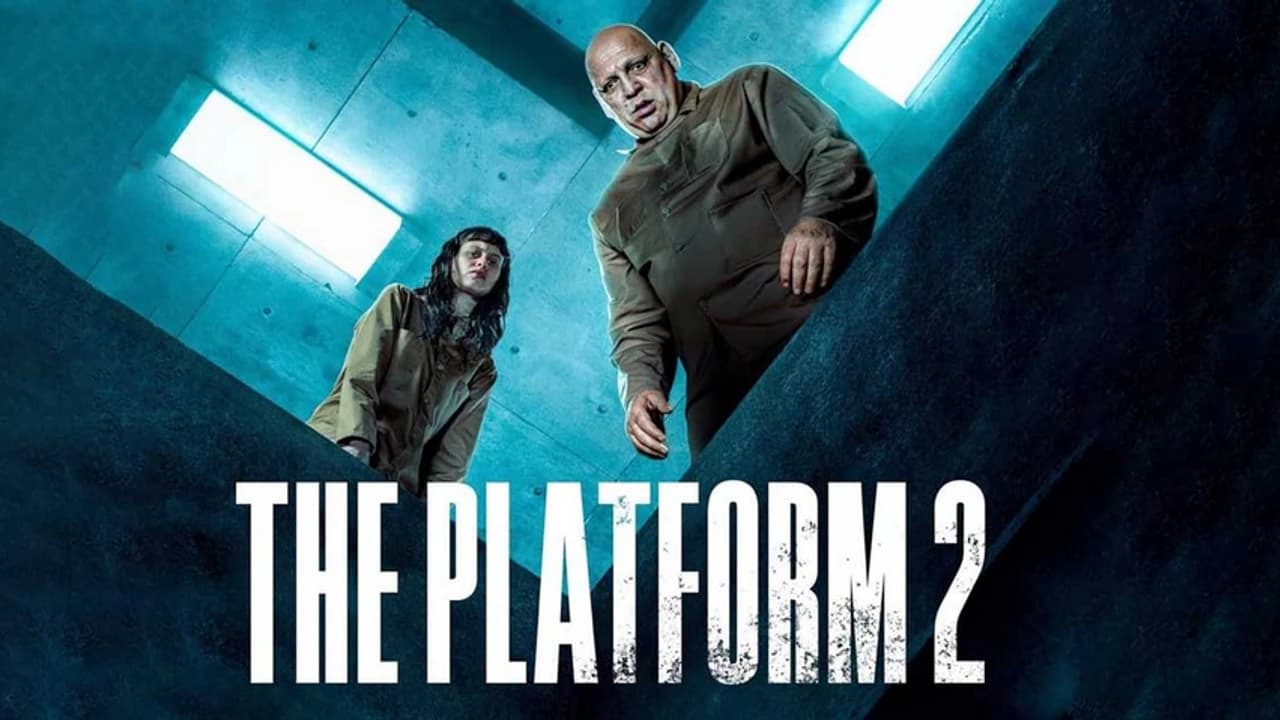
Galder Gaztelu-Urrutia’s 'The Platform' is more than just a dystopian thriller—it’s a brutal, thought-provoking exploration of how hunger tests the boundaries of morality, compassion, and survival. Set in a vertical prison-like structure where food is delivered via a descending platform, the film strips human society down to its rawest instincts and asks one chilling question: when survival is on the line, what happens to our humanity?
Each level of the tower represents a rung on the social ladder. Those at the top eat first—lavishly, greedily—while those below are left to fight over scraps or starve. Every month, inmates are randomly reassigned to a different level, meaning no one’s position is secure. This constant shift reveals the fragility of empathy when power and desperation are in flux. Those who once starved now hoard, those who had plenty become victims. It’s a system designed to pit people against each other.
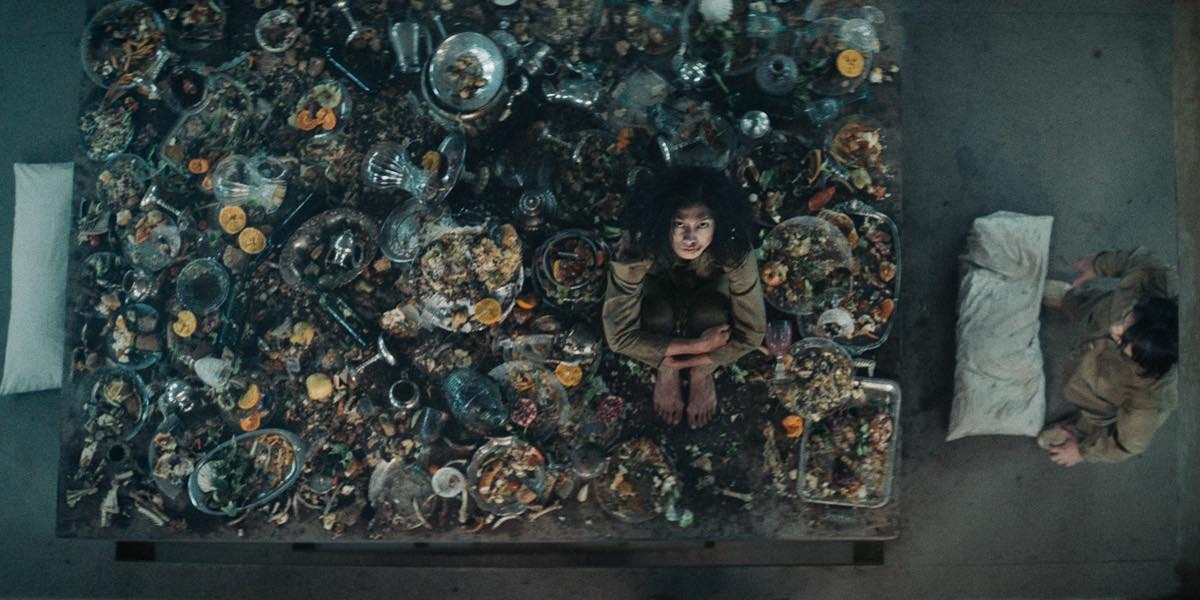
Image Courtesy: IMDb
What Does Hunger in 'The Platform' Try to Depict?
The hunger in 'The Platform' is both literal and symbolic. It represents not only the gnawing emptiness in one's stomach but the endless greed and inequality of a society that feeds the powerful while leaving the rest to suffer. As resources dwindle, so does civility. Cannibalism, betrayal, and violence become normalised. Yet, amid this chaos, glimmers of morality emerge.
The protagonist, Goreng, begins his journey with ideals. He believes in fairness, in the possibility of a shared solution. He tries to ration the food, to convince others to help those below. His journey down the tower is both physical and philosophical—each level a test of his values. Along the way, he faces brutal choices, and he too is forced to bend his morals in order to survive. But crucially, he never fully loses sight of his humanity.
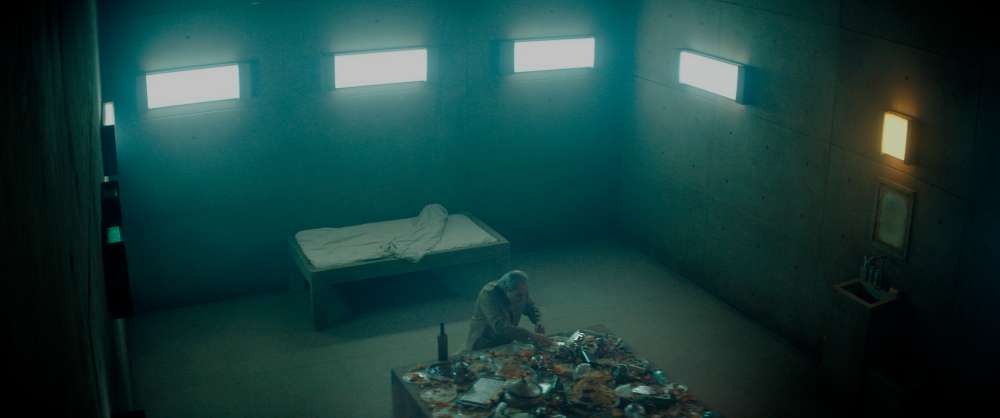
Image Courtesy: IMDb
'The Platform' suggests that moral survival isn't about remaining untouched by darkness, but about resisting total descent into it. Goreng’s final act—a selfless, symbolic gesture—offers a sliver of hope. It's a statement that even in the most dehumanising systems, compassion can still exist.
In the end, 'The Platform' doesn’t offer easy answers. Instead, it holds up a mirror to our world—one where inequality and indifference run deep—and asks: when you’re starving, would you still share your plate?