
Joseph Campbell’s concept of the monomyth, or ‘The Hero’s Journey,’ is one of the most influential storytelling structures in modern literature, cinema, and pop culture. Rooted in mythology, Campbell’s theory suggests that across cultures and epochs, heroic stories follow a universal pattern—a structure that resonates deeply with human experience. This framework is widely recognizable in some of the most popular and enduring works of fiction today, from epic fantasies to superhero sagas, becoming a blueprint for narrative success in pop culture.
The Hero’s Journey: A Timeless Structure
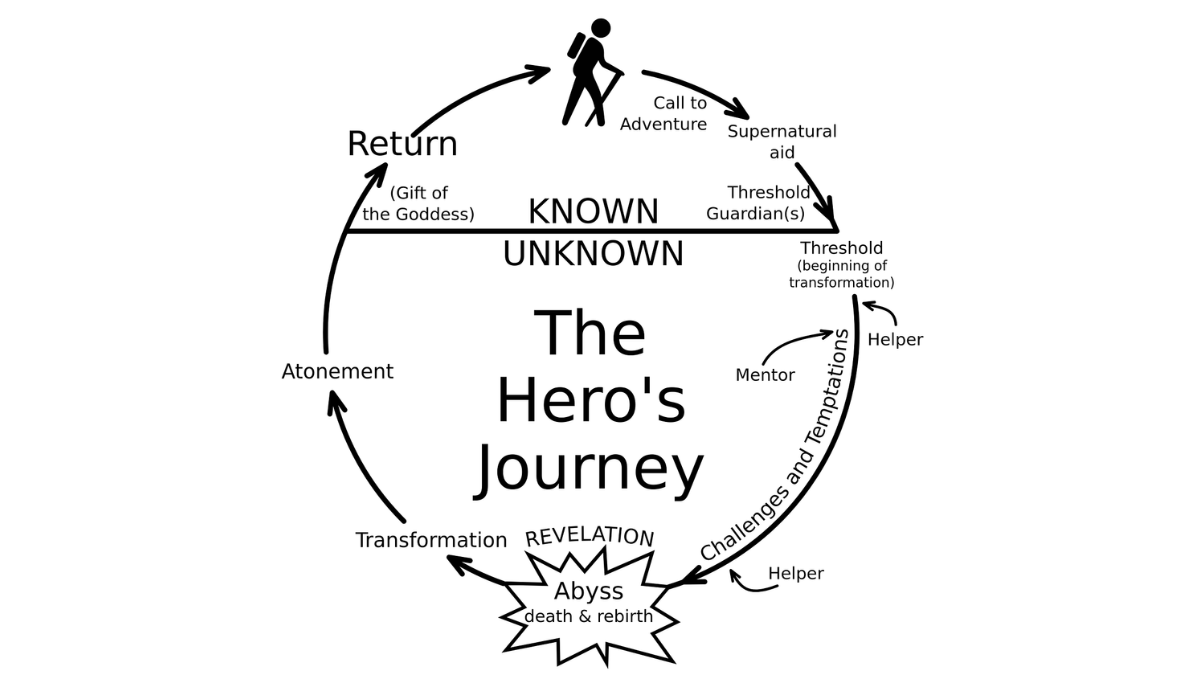
Campbell’s monomyth, as outlined in his seminal work ‘The Hero with a Thousand Faces’ (1949), identifies a series of stages that heroes typically pass through in their journey. These stages fall into three main acts: Departure, Initiation, and Return.
Departure: The hero begins in the ordinary world but is soon called to adventure. Reluctantly, the hero leaves the familiar, often encountering a mentor who guides them through their first steps.
Initiation: The hero faces trials and confronts formidable enemies, often enduring suffering and personal transformation. This stage often includes the hero’s descent into a symbolic or literal ‘abyss,’ where they face their greatest challenge.
Return: Having overcome the ordeal, the hero returns to the ordinary world, often bringing newfound wisdom or power that benefits society.
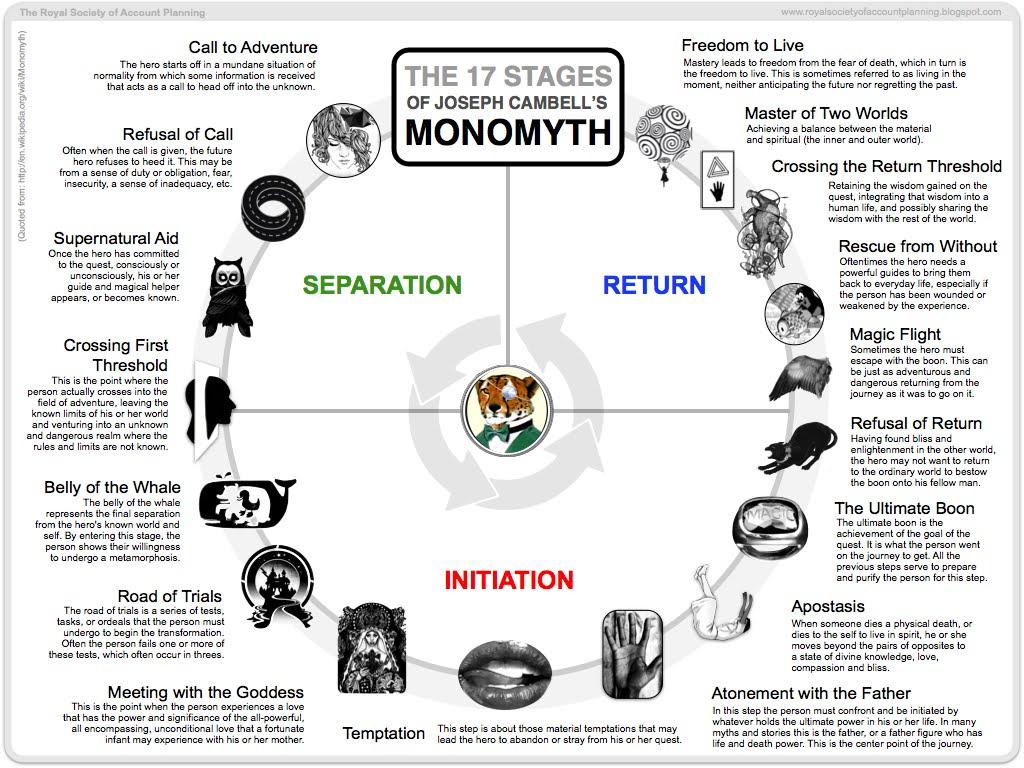
These steps are flexible and not every narrative follows them exactly. However, many of the most beloved stories of our time have drawn heavily from Campbell’s model, demonstrating the enduring appeal of this structure.
Star Wars: The Quintessential Monomyth
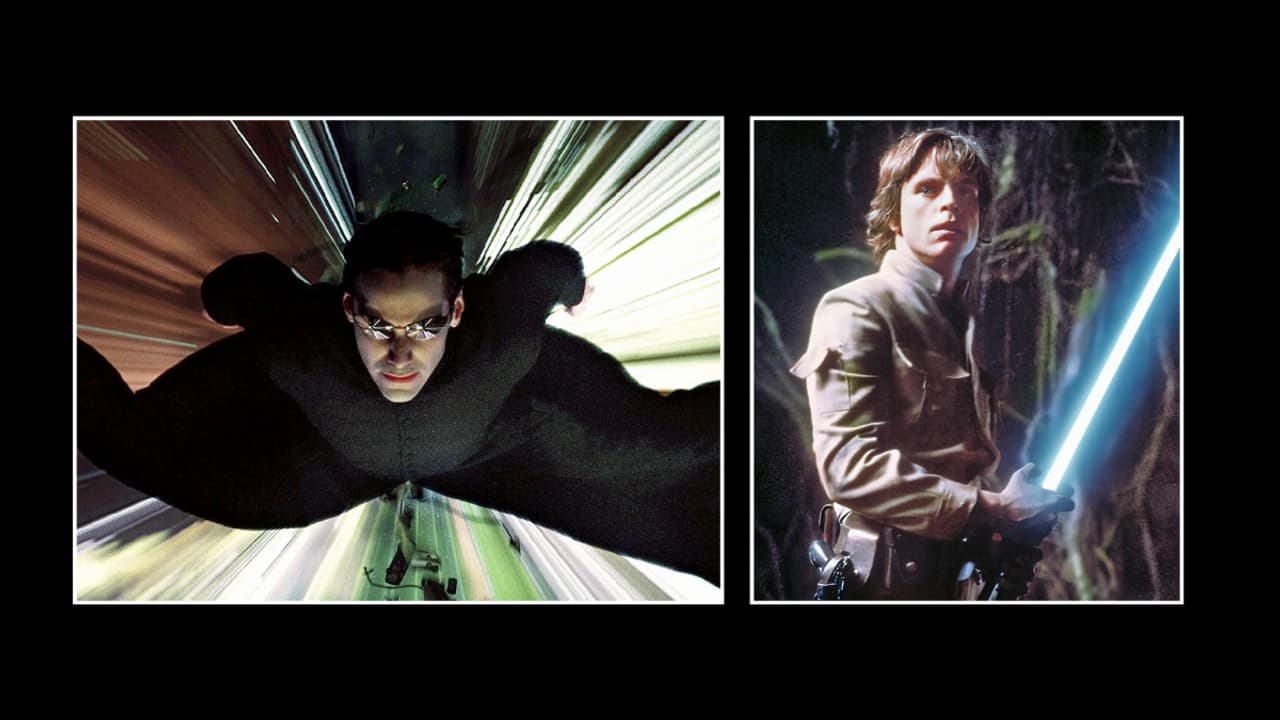
One of the most famous examples of the hero’s journey in pop culture is ‘Star Wars’. George Lucas, the creator of the saga, has openly acknowledged his debt to Campbell’s work. Luke Skywalker’s journey in ‘A New Hope’ mirrors the classic hero’s arc almost step-by-step: he starts as a farm boy on Tatooine, receives a call to adventure from Obi-Wan Kenobi, faces trials and dangers, and ultimately returns as a hero who helps save the galaxy.

Luke’s mentor, the wise Obi-Wan, fits Campbell’s archetype of the "wise old man" who provides the hero with guidance. His journey to confront Darth Vader also mirrors the hero’s symbolic death and rebirth—an essential stage in the monomyth. The appeal of ‘Star Wars’ is not just its space opera setting but the familiarity of the human experience within Luke’s journey, something audiences across generations connect with.
Superheroes: Modern Myths
The superhero genre is also heavily influenced by Campbell’s hero’s journey. Characters like Superman, Spider-Man, and Wonder Woman all follow the monomyth’s structure in one form or another.
Take Spider-Man, for example. Peter Parker’s story begins with an ordinary life as a high school student. His call to adventure arrives when he is bitten by a radioactive spider, and his initiation begins when he loses his Uncle Ben, learning the lesson that "with great power comes great responsibility." Throughout his journey, Spider-Man faces challenges, including formidable foes, while balancing his personal life. His story is one of transformation, growth, and eventual acceptance of his role as a hero.

Superhero films, including those in the Marvel Cinematic Universe, consistently capitalize on this formula, and the hero’s journey is a key reason these stories remain compelling. Even when the settings and characters are outlandish, the structure grounds the narratives in recognizable human emotions, making the audience emotionally invest in the hero’s quest.
The Monomyth Beyond Heroes: A Broader Cultural Impact
The hero’s journey isn’t confined to traditional hero tales. Films like ‘The Matrix’, ‘Harry Potter’, and even animated classics like ‘The Lion King’ all follow the arc of Campbell’s monomyth. In ‘The Matrix’, Neo’s journey from ordinary hacker to ‘The One’ who saves humanity is a classic tale of transformation and enlightenment. In ‘Harry Potter’, Harry’s quest through seven books, where he confronts his destiny, gathers allies, and defeats the dark lord Voldemort, mirrors the same pattern.

Even seemingly non-heroic genres make use of Campbell’s framework. Pixar’s ‘Finding Nemo’ features a father on a hero’s journey to rescue his son. ‘The Lion King’ mirrors Hamlet’s story, but also follows Simba’s journey from exile back to his kingdom, where he takes on his responsibility as king, completing his transformation.
Why Does the Hero’s Journey Resonate?
What makes the hero’s journey so popular in pop culture? At its core, the monomyth is a deeply psychological model. Campbell himself drew from the works of Carl Jung, suggesting that the stages of the journey represent universal experiences of growth, change, and self-discovery. The challenges the hero faces—both external and internal—mirror the struggles we all encounter in life.
Also Read: Greek and Roman Mythology in Modern Literature and Film
The flexibility of the monomyth allows it to be adapted across genres, settings, and cultures. Whether it’s a story about a young farm boy in a galaxy far, far away, or a superhero navigating personal dilemmas, audiences recognize the stages of the journey because they reflect our own paths toward growth and understanding.
Joseph Campbell’s hero’s journey continues to influence pop culture, providing a template for storytelling that is at once familiar and endlessly adaptable. Whether in the world of ‘Star Wars’, superhero films, or animated features, the monomyth is a powerful storytelling device that taps into the shared human experience. Its ongoing prevalence in modern media shows that while technology, genres, and characters may evolve, the fundamental arc of the hero’s journey will always have a place in the stories we tell.
--Silviya.Y