

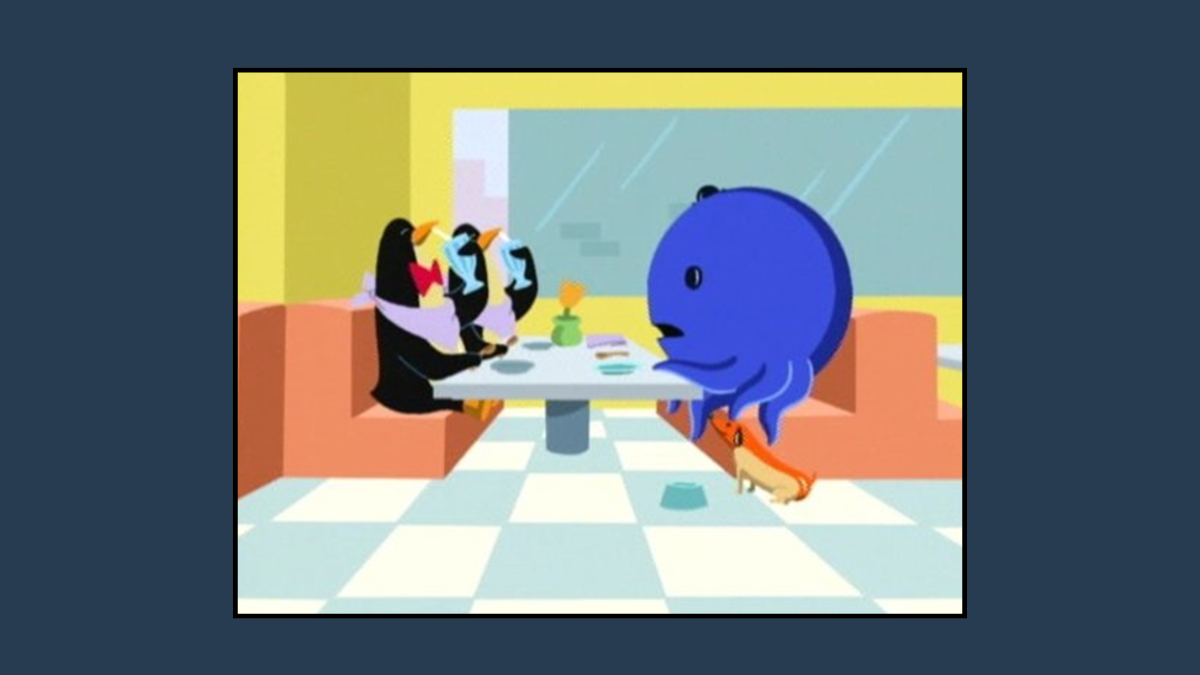
At first glance, ‘Oswald’ — the animated TV series about a soft-spoken blue octopus — may seem like just another cute preschool cartoon. But behind its pastel visuals and polite characters lies a surprisingly intentional storytelling technique: the use of ‘looping logic’. Many episodes of ‘Oswald’ begin with a simple goal, meander through minor obstacles, and gently return to where they started — creating a full-circle structure that offers emotional safety, predictability, and a sense of resolution.
This pattern, while subtle, is a key reason why the show feels so comforting to children — and why it remains a favourite among parents, educators, and therapists.
What Is Looping Logic?
‘Looping logic’ refers to a storytelling method where narratives end where they began — both physically and emotionally. It’s often used in children's literature and early learning environments because it mirrors how young children naturally think and experience the world: through repetition, routine, and gentle reinforcement.
In ‘Oswald’, this might look like:
- Starting the day with a plan (e.g., baking a cake)
- Encountering small surprises or friendly detours (running out of flour, meeting a friend along the way)
- Solving the problem with kindness and creativity
- Returning to the original goal, now with added joy or understanding (finally baking the cake and sharing it with friends)

Why It Works for Preschool Audiences
Young children are still developing their ability to process big emotions, unexpected changes, and complex sequences. A story structure that loops back to a safe, familiar space helps reduce anxiety and builds a sense of trust in the story.
In ‘Oswald’, there's no rush, no urgency, and no unpredictable twists. Problems arise, but they’re always manageable — and they resolve in ways that reaffirm stability. Whether Oswald is finding Weenie a new sweater or looking for a missing ball, the story always lands softly, exactly where it needs to.
Comfort Through Repetition
Looping logic also reinforces learning through repetition. Kids don’t just enjoy seeing Oswald return home or complete a task — they learn that it’s okay to take your time, that not everything goes to plan, and that peaceful endings are possible.
This structure also mirrors their daily life rhythms: morning routines, playtime, snack time, and bedtime. Just as children thrive on consistent structure at home, they find comfort when their favourite TV show reflects the same emotional rhythm.
A Rare Approach in Children's Media
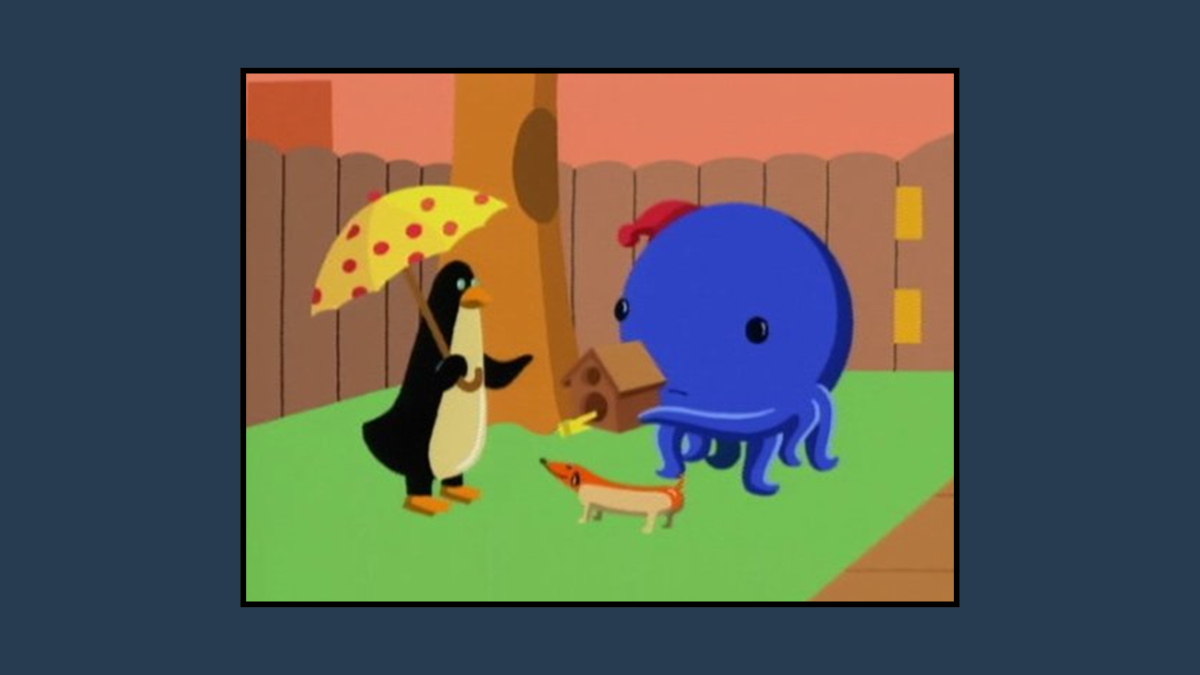
Many children’s shows rely on fast-paced storytelling, humour, or cliffhangers to keep attention. ‘Oswald’ takes the opposite approach — and in doing so, fills a unique role in the media landscape. Its looping logic, combined with soft visuals and slow pacing, helps children slow down, breathe, and feel safe.
It’s why the show has found a second life beyond entertainment — used in therapy rooms, calming corners in classrooms, and even as a soothing watch for neurodivergent children who benefit from gentle sensory input.
A Full Circle of Comfort
‘Oswald’ may be an animated show about an octopus and his quirky friends, but its use of looping logic reveals a deeper layer of emotional design. By gently circling back to where each story began, it teaches kids that the world is a safe place, that problems have solutions, and that endings don’t have to be dramatic — they can be peaceful, familiar, and kind.
In a world that moves fast, ‘Oswald’ is the rare show that reminds us: sometimes, it’s okay to take the scenic route — and end up right where you started.
---Silviya.Y