
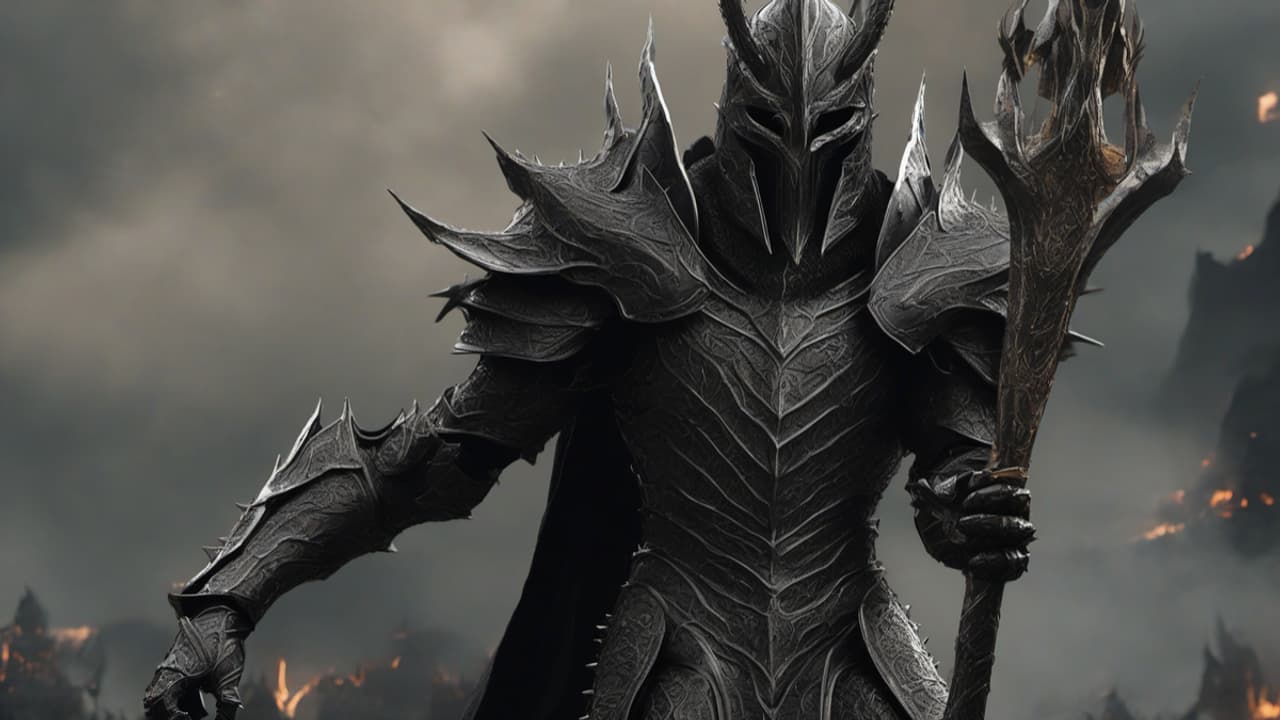
In ‘The Lord of the Rings’, Sauron is primarily represented by the Great Eye atop Barad-dûr, but his most striking appearance occurs during the prologue of ‘The Fellowship of the Ring’. Here, he emerges clad in menacing armour, wielding a mace, as Men and Elves fight against his forces in the War of the Last Alliance. His defeat comes when Isildur severs the One Ring from his hand, momentarily halting his reign of terror.
With Sauron featured prominently in Amazon's ‘The Rings of Power’, fans are eager to glimpse his true visage beneath the armour. However, the show's portrayal and the film's depiction differ significantly. J.R.R. Tolkien intentionally left Sauron's appearance vague, presenting him more as a spiritual entity than a physical one. In various illustrations, Sauron is depicted as a being of shadow with flames emanating from him, embodying wickedness without a definitive form. During the War of the Ring, he famously appears as a fiery eye, although this limits his direct engagement.
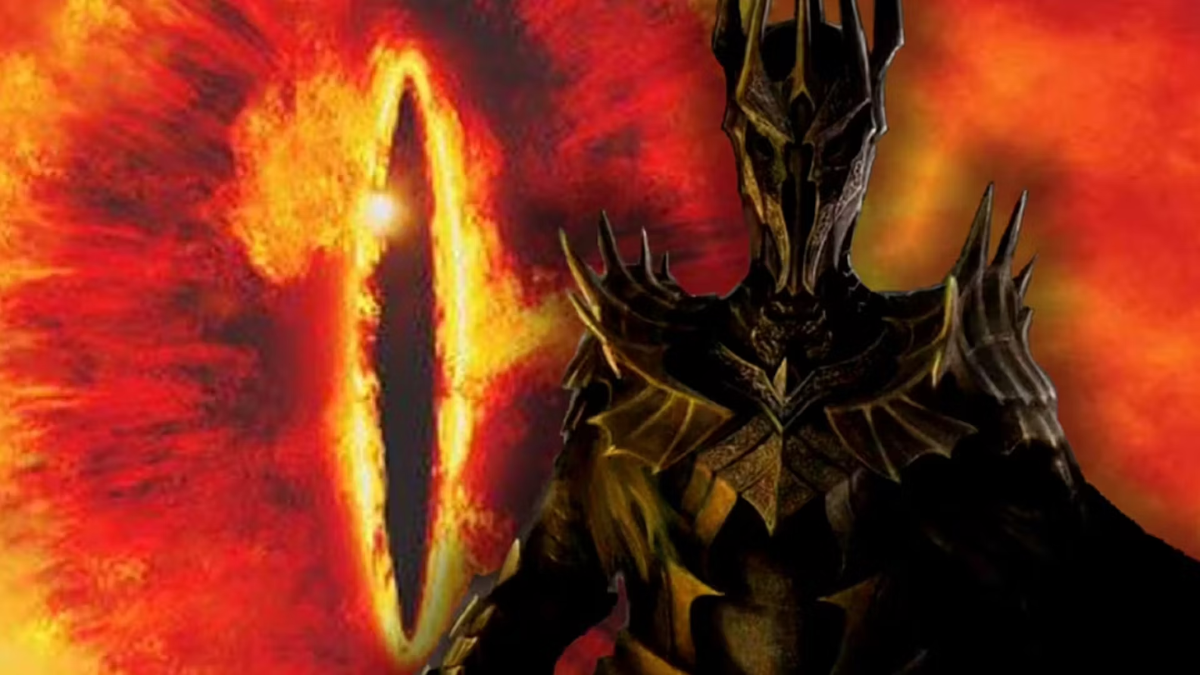
Image Courtesy: CBR
Tolkien's backstory reveals Sauron as Mairon, a Maia who fell from grace under Morgoth, the first Dark Lord. Sauron could shapeshift and often conceal his true nature. He notably deceived the Elves by posing as Annatar, leading to the creation of the Rings of Power. Although Sauron’s tactics included manipulation and disguise, he was ultimately a malevolent spirit, far older than dragons, whose power was more spiritual than physical.
After being vanquished in Númenor, Sauron's spirit survived but could no longer maintain his handsome facade. When he returned, he was a reflection of his own malice, making him a terrifying figure to behold. While the films depict him in armour for visual impact, Tolkien does not describe Sauron in this way, emphasising the creative liberties taken in adaptation.
–Farheen Ali