
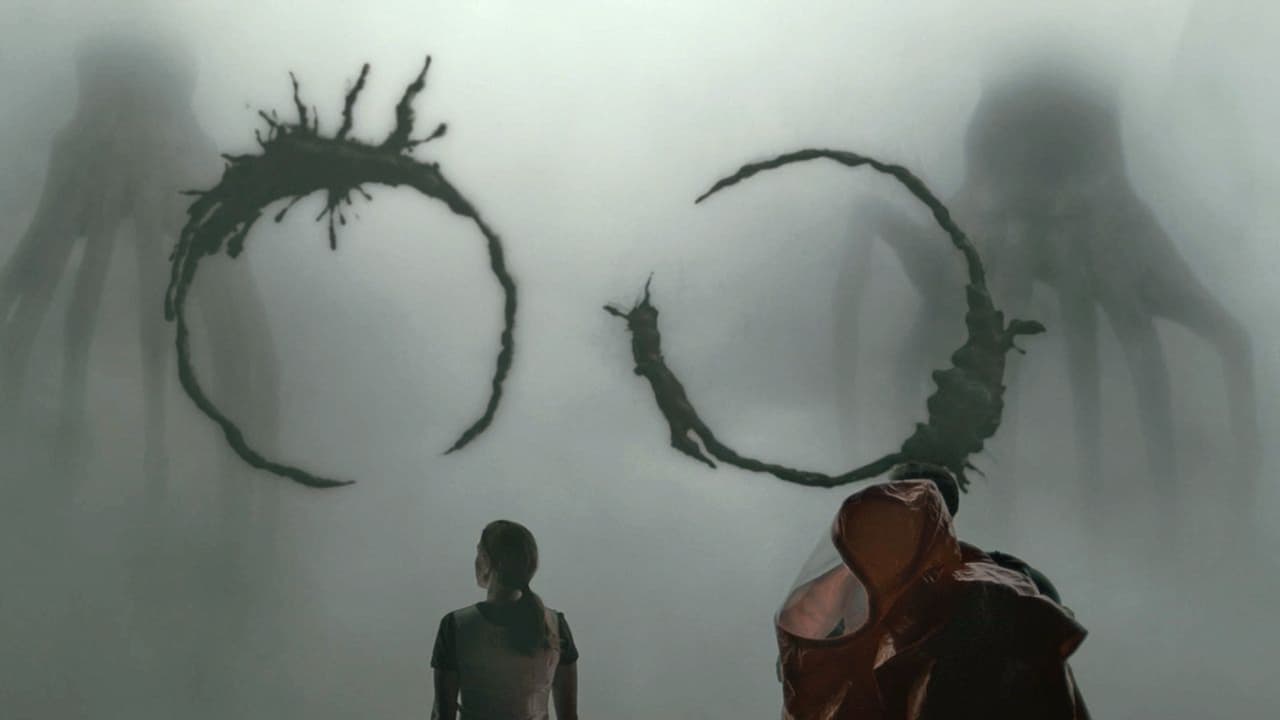
Denis Villeneuve’s ‘Arrival’ challenges conventional perceptions of time and human agency through its inventive narrative and profound philosophical questions. Central to the film is the concept of nonlinear time — the idea that past, present, and future are not sequential but interconnected and simultaneously accessible. This notion reframes how we understand free will and human choice, compelling viewers to reconsider the nature of destiny and personal responsibility.
The film follows linguist Dr. Louise Banks as she deciphers the complex language of the Heptapods, an alien species whose written script reflects their unique perception of time. Unlike humans, who experience time linearly — moving from cause to effect — the Heptapods perceive all moments at once. As Louise learns their language, her cognition begins to shift, allowing her to experience time in a nonlinear fashion. She starts recalling future events just as vividly as past ones.
This nonlinear experience raises challenging questions about free will. If Louise can see her future, including the eventual heartbreak of losing her daughter, does she truly have a choice in the matter? The film suggests that knowledge of the future does not negate free will but coexists with it in a complex interplay. Louise’s decision to embrace her future, despite knowing the pain it will bring, emphasises the human capacity for courage and acceptance.
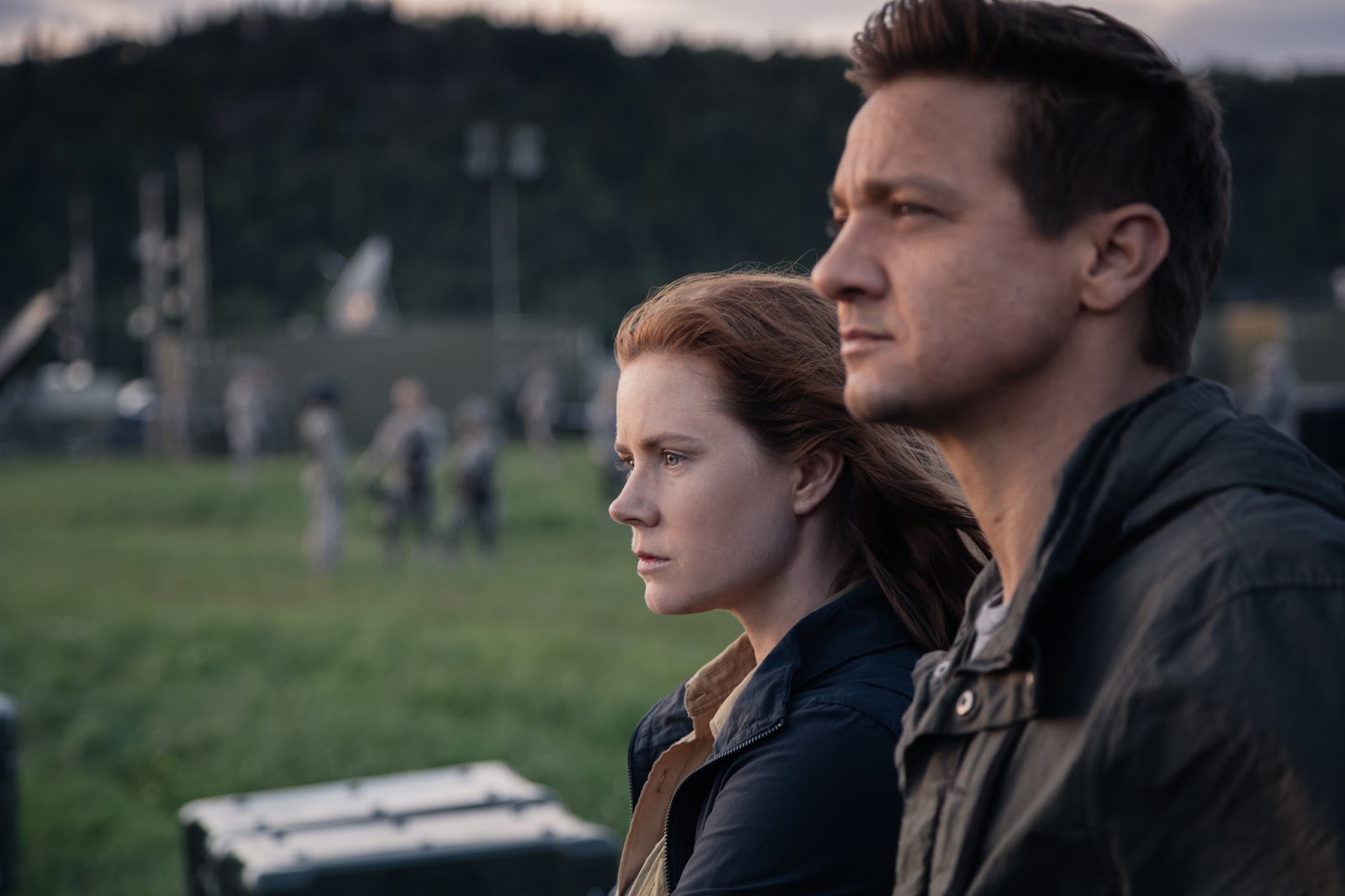
Image Courtesy: IMDb
‘Arrival’ thereby offers a nuanced perspective on determinism. The Heptapods’ language symbolises a worldview where fate and choice are not opposites but intertwined. Humans are not merely passive recipients of an immutable destiny; they actively engage with their futures, even if those futures are known in advance. This interpretation challenges the typical fatalistic view and instead celebrates the strength it takes to live fully, knowing one’s path.
Furthermore, the film’s nonlinear narrative structure invites the audience to experience this fluidity of time firsthand. By revealing events out of sequence, ‘Arrival’ mirrors Louise’s evolving perception and encourages viewers to question their assumptions about cause and effect.
In sum, ‘Arrival’ uses its science fiction premise to explore profound philosophical questions about time and free will. It suggests that understanding time as nonlinear expands the meaning of human choice, not as control over outcomes, but as the conscious acceptance and embrace of life’s unfolding, regardless of its inevitability. Through Louise’s journey, the film reminds us that the true essence of free will lies not in avoiding fate but in how we respond to it.
–Farheen Ali