
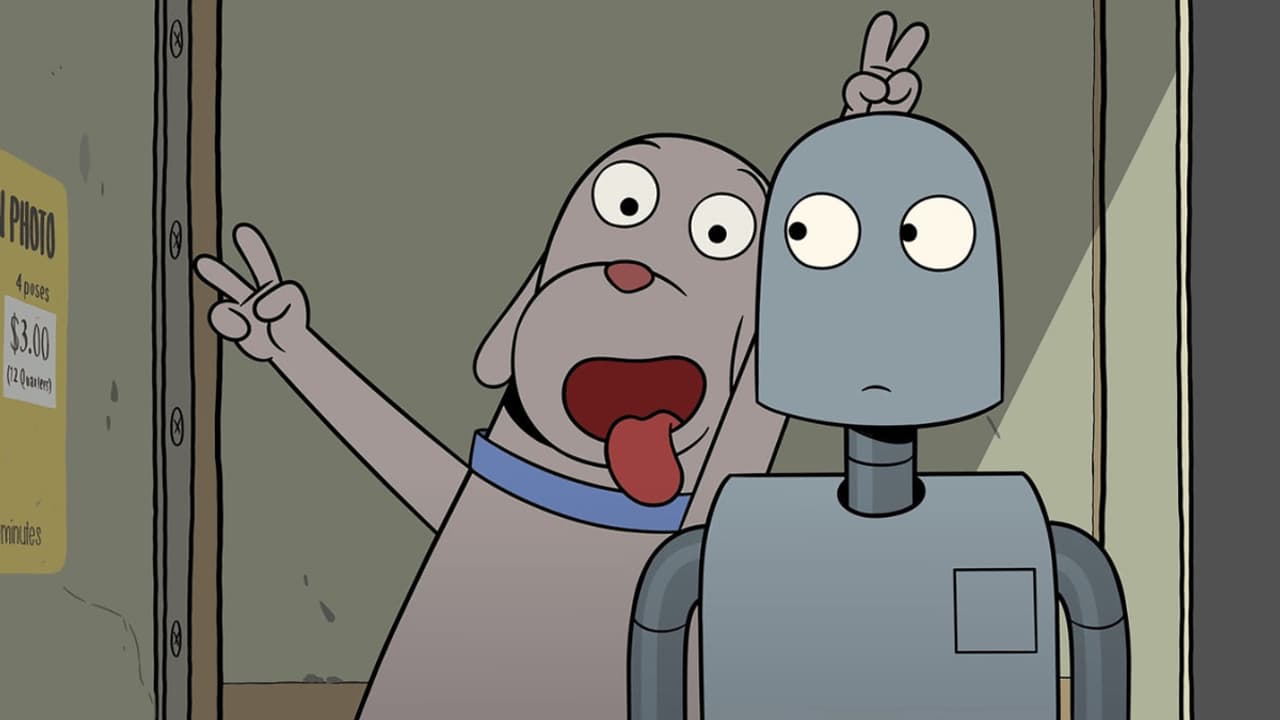
Despite the frequent biases against animation, 'Robot Dreams' offers a fresh perspective that challenges the conventional views on the medium. Often, animation is praised for its ability to create fantastical worlds and explore imaginative realms far beyond the scope of live-action films. While this is certainly a notable aspect of the genre, focusing solely on this can overlook the medium's more subtle strengths.
Guillermo del Toro's comment about animation being unfairly pigeonholed as a "genre for kids" resonates strongly here. 'Robot Dreams,' directed by Pablo Berger and based on Sara Varon’s graphic novel, embodies this idea by demonstrating that animation can deliver a deeply grounded narrative. The film's charm lies not just in its whimsical elements but in its ability to capture the essence of human emotions and experiences.
Also Read: ‘Fly Me To The Moon’ Review: A Nostalgic Rom-Com With Space Race Charm
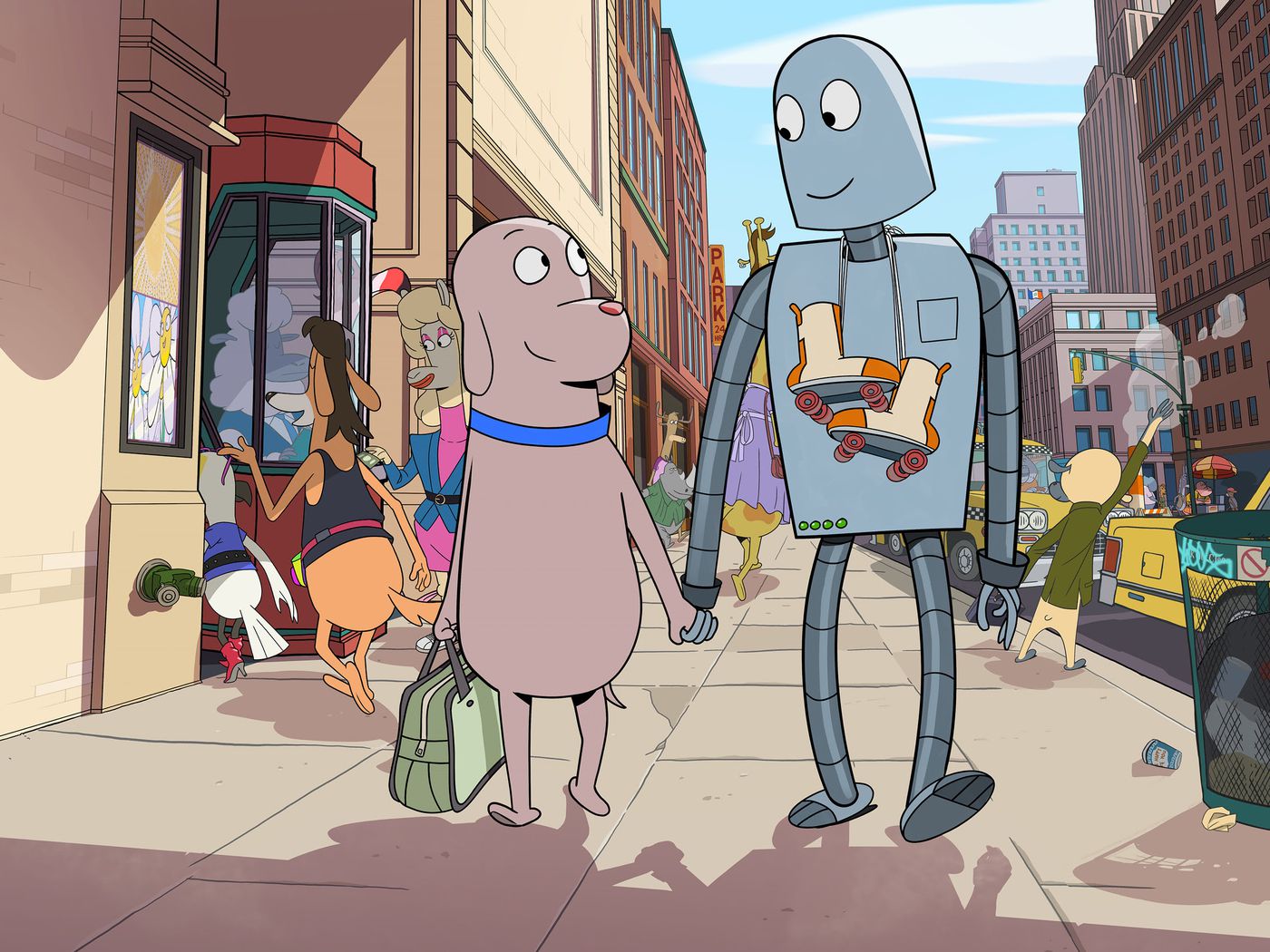
Set against the backdrop of 1980s New York, the story follows Dog, a solitary figure who purchases a robot companion after seeing an advertisement. Their bond quickly grows, and together they enjoy simple pleasures like roller skating in Central Park, accompanied by the song 'September' by Earth, Wind & Fire. However, their idyllic time is disrupted when Robot becomes immobile at the beach, and Dog must leave him behind, only to find the beach closed for the season.
What follows is not a typical quest narrative but a reflection on separation and the passage of time. Rather than focusing on a relentless drive to reunite, 'Robot Dreams' explores how both characters adapt to their new circumstances. Dog faces the challenges of loneliness and seeks new connections, while Robot, confined and unable to move, delves into dreams and introspection.
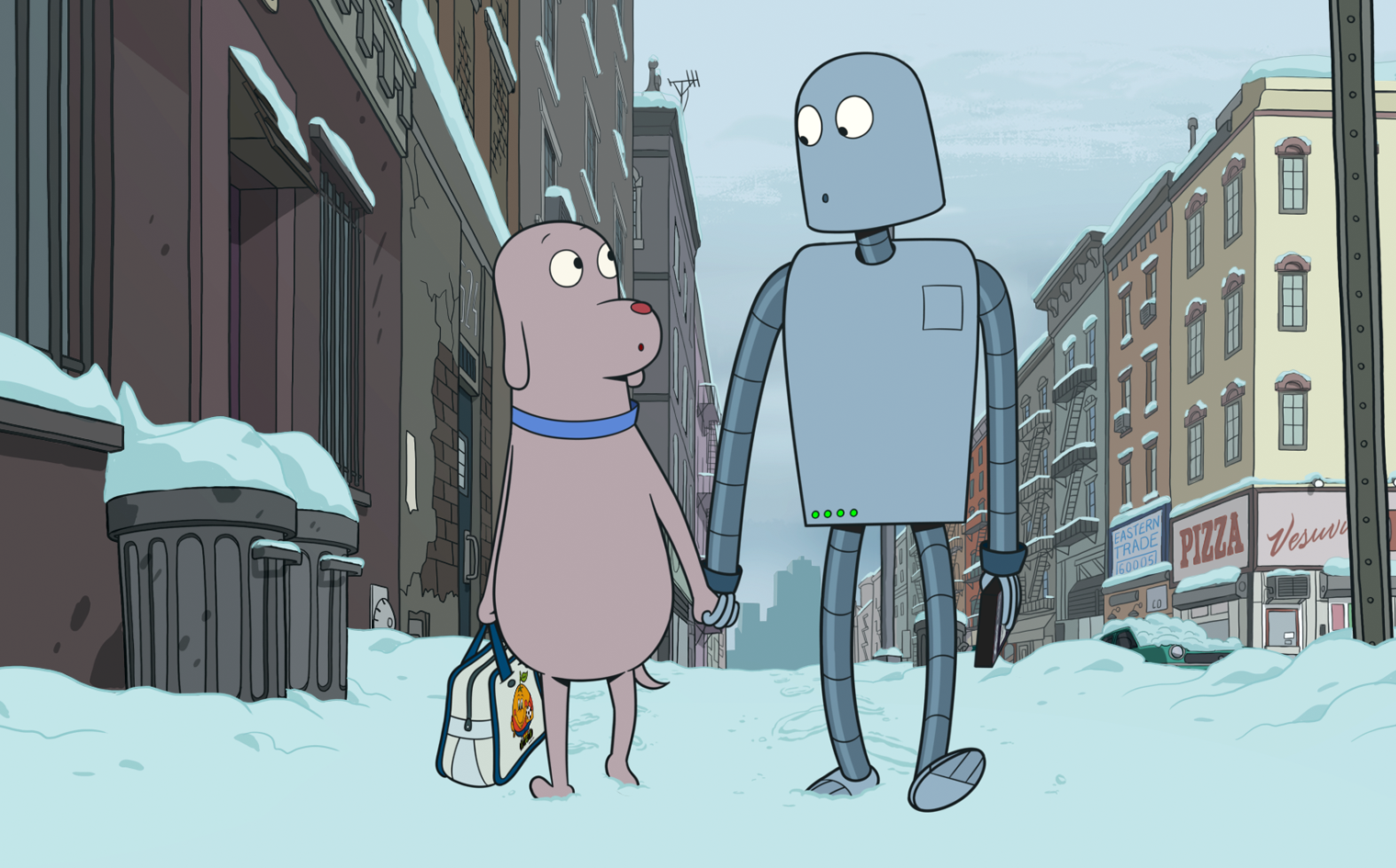
The film's storytelling is marked by its simplicity and emotional depth. Its lack of dialogue is surprisingly effective, with the animation and editing conveying the story's nuances with remarkable clarity. The absence of spoken words does not hinder the narrative but rather enhances it, allowing the visuals and soundtrack to carry the emotional weight.
'Robot Dreams' is not just an animated film but a universal experience that can resonate with viewers of all ages. Its ability to balance light-hearted moments with profound emotional themes makes it suitable for children while also offering layers of meaning for adult audiences. The film’s vibrant animation and engaging musical elements, including the recurring motif of 'September,' add to its immersive quality.
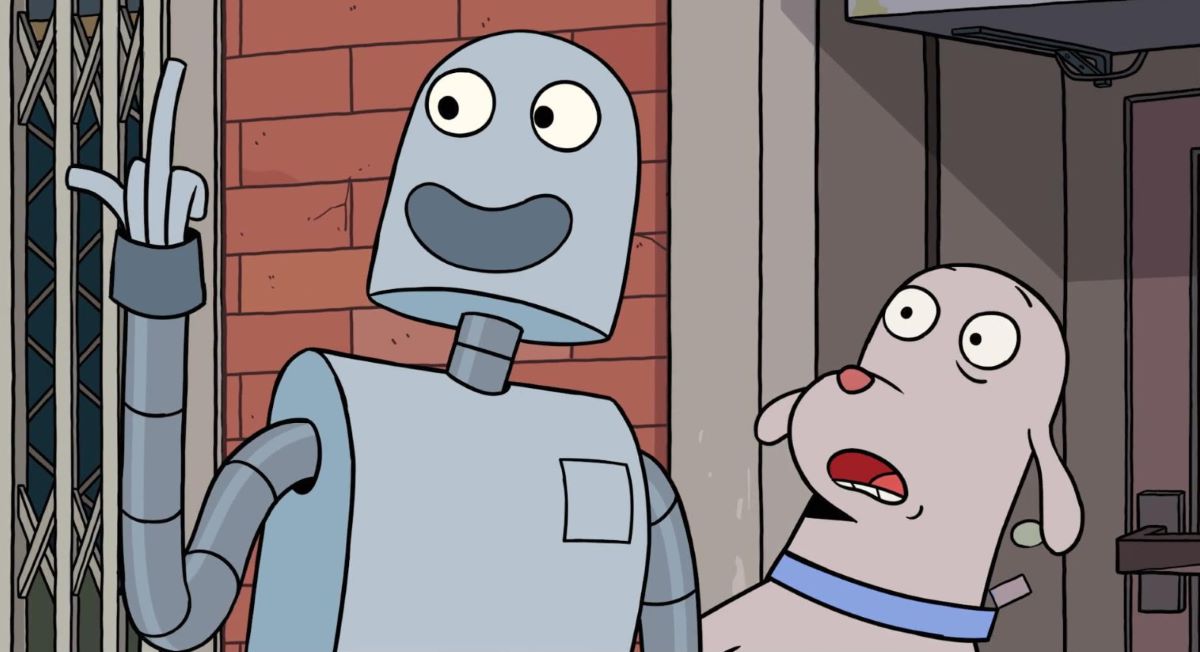
For those considering whether 'Robot Dreams' is appropriate for younger viewers, it is worth noting that its exploration of emotional growth and empathy is thoughtfully executed. The film serves as a gentle introduction to complex feelings and interactions, making it a valuable watch for both children and adults.