
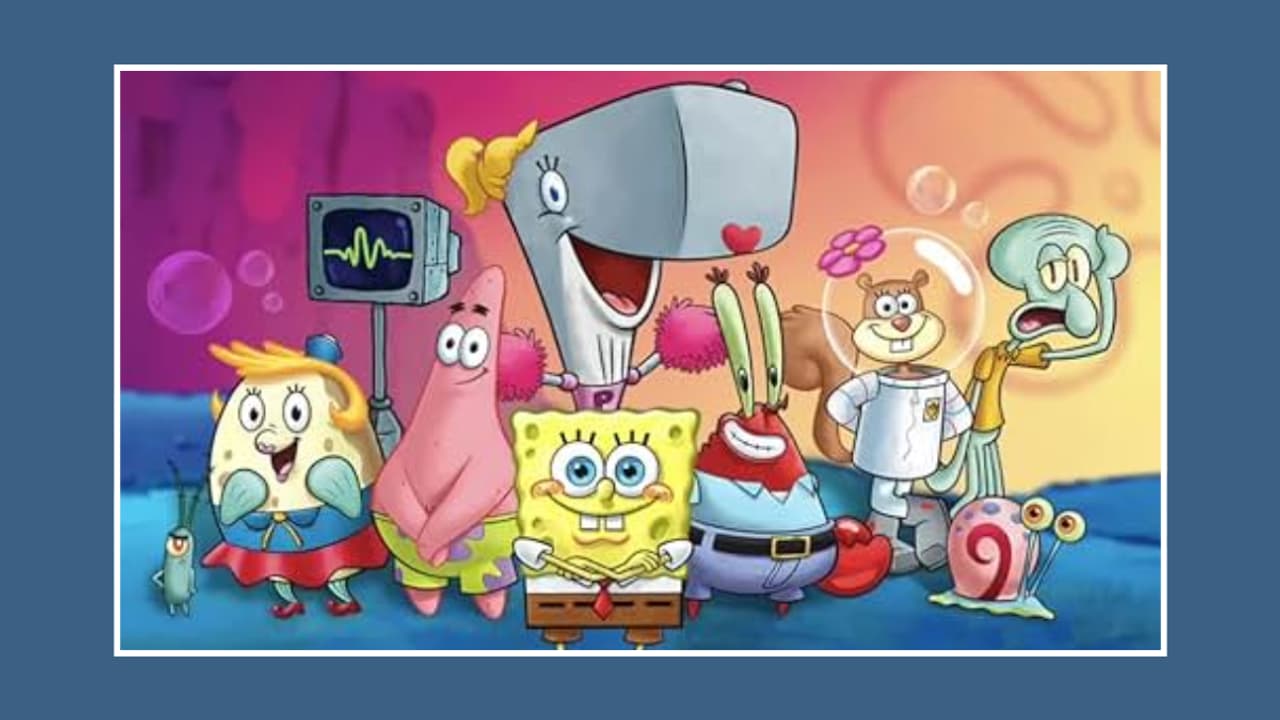
Before ‘SpongeBob SquarePants’ became a pop culture phenomenon, its creator Stephen Hillenburg was a marine biologist with a passion for the ocean and education. His unique journey from the world of tide pools to television studios shaped one of the most original and enduring animated shows in history. Far from being a random cartoon concept, ‘SpongeBob SquarePants’ was born from a deep love of marine life—and a clever way to make it entertaining.
A Scientist First: Hillenburg’s Early Career
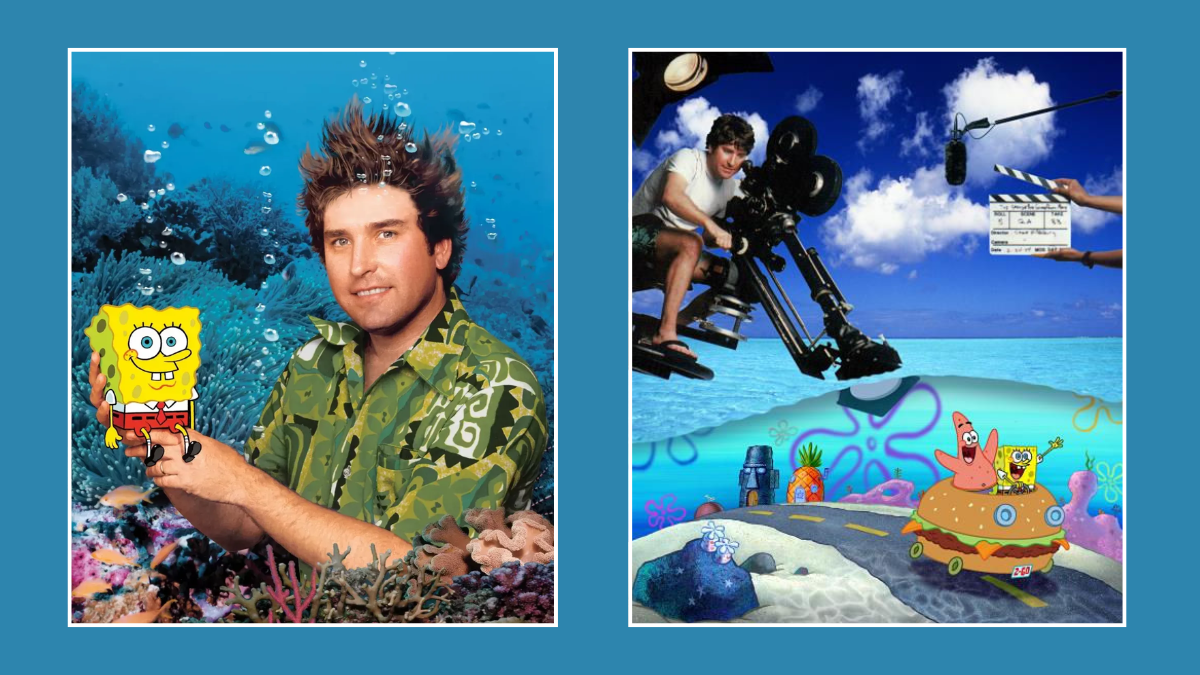
Stephen Hillenburg earned a degree in marine biology from Humboldt State University in the 1980s. After graduation, he worked as a marine science educator at the Orange County Marine Institute (now the Ocean Institute) in Dana Point, California. There, Hillenburg taught kids about ocean ecosystems, marine animals, and intertidal zones.
To make his lessons more engaging, Hillenburg created a comic book titled ‘The Intertidal Zone’. It featured anthropomorphic sea creatures like sponges, crabs, and starfish, each representing real marine species found in tide pools. This comic not only educated students—it planted the first creative seed for what would eventually become ‘SpongeBob SquarePants’.
Art Meets Science: The Shift to Animation
While Hillenburg was committed to science, he also harboured a love for art. Eventually, he pursued a second degree in experimental animation at the California Institute of the Arts (CalArts), where his style began to evolve. Merging his two passions—marine biology and visual storytelling—he developed the concept of a fictional underwater town populated by eccentric sea creatures.
In the mid-1990s, Hillenburg worked on Nickelodeon's ‘Rocko’s Modern Life’, honing his skills as a storyboard artist and director. When that show ended, he pitched ‘SpongeBob SquarePants’ to Nickelodeon executives. His background in marine science gave the series a strong thematic anchor, while his quirky sense of humour made it universally appealing.
Why a Sponge?
The choice of a sponge as the main character wasn’t arbitrary. In ‘The Intertidal Zone’, one of Hillenburg’s earliest featured creatures was a sea sponge. But for the TV show, he opted for a square, kitchen-style sponge—it looked funnier, he said, and allowed for more exaggerated animation.
Still, SpongeBob retains traits of real sea sponges: he lives in a fixed spot (his pineapple house), is porous, and interacts constantly with marine creatures. These subtle nods keep the show grounded in its marine origins, even as the comedy becomes surreal.
Real Marine Life in Cartoon Form
Each major character in 'SpongeBob SquarePants' reflects Hillenburg’s scientific background:
- Patrick Star, a slow-moving, simple-minded best friend, mirrors the real behaviour of starfish, which lack centralized brains.
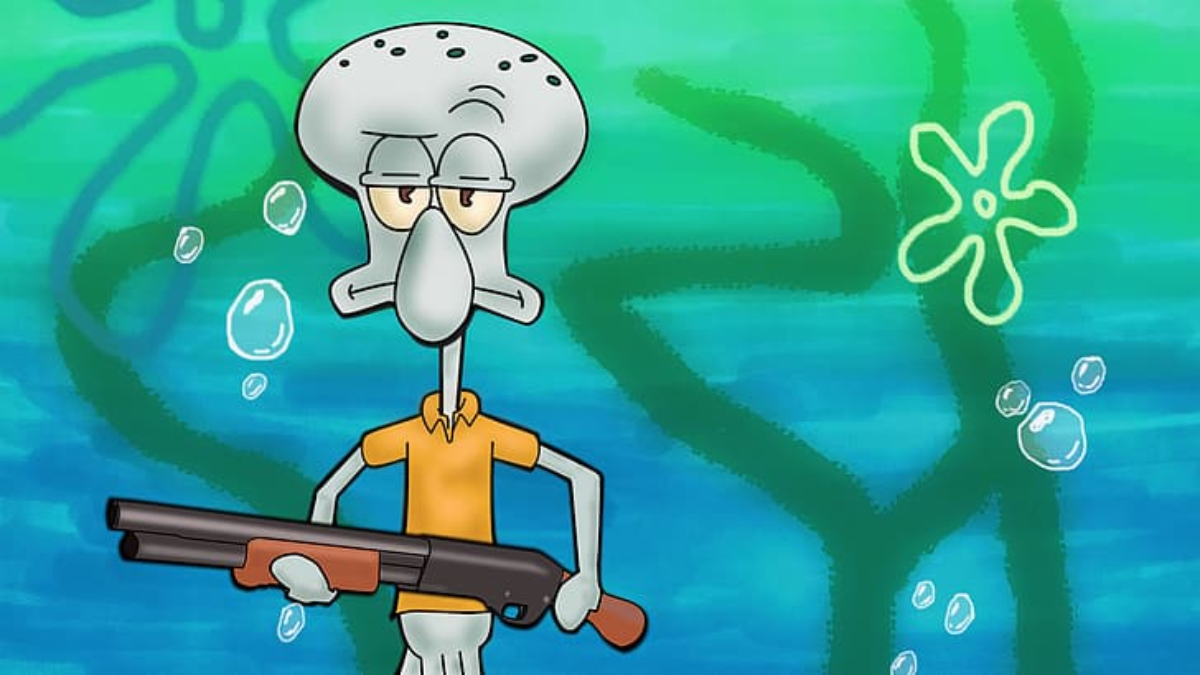
- Squidward Tentacles, despite the name, is an octopus, chosen for his bulbous head and dour personality.
- Mr. Krabs, a money-loving crustacean, scuttles like a real crab and lives in an anchor.

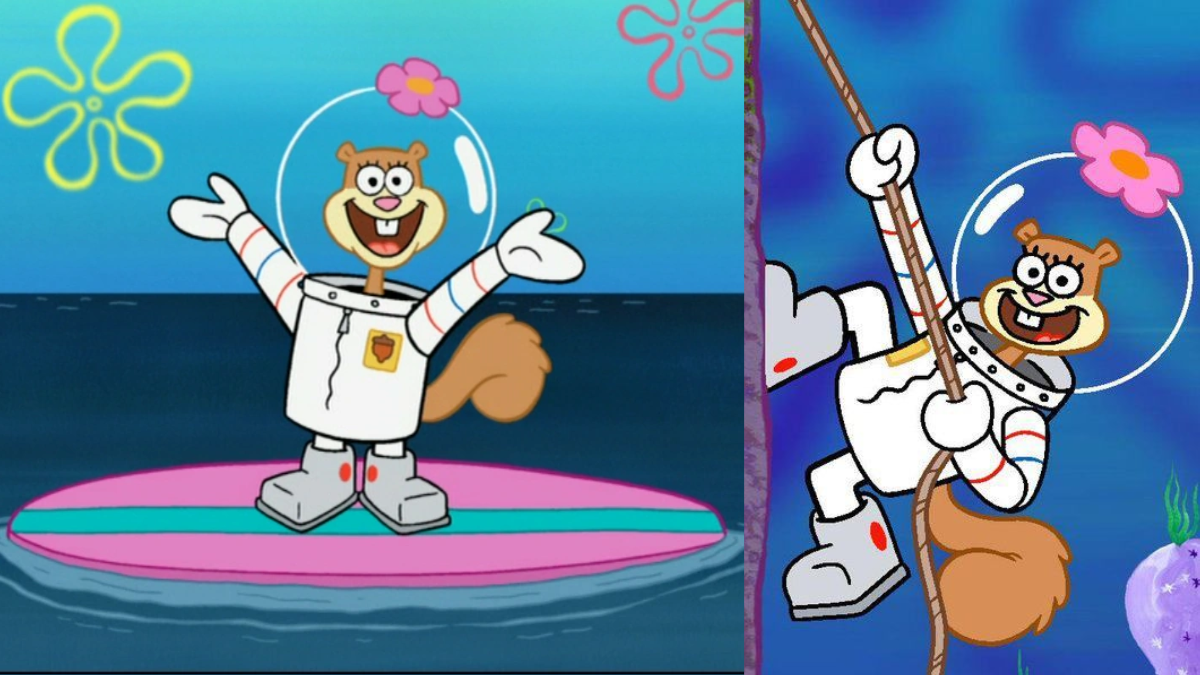
- Sandy Cheeks, a squirrel in a diving suit, brings in the concept of land animals adapting to marine environments.
Even minor elements—like jellyfish stings, sea currents, and deep-sea vents—are often based on actual ocean science, repackaged with humour and flair.
An Ocean That’s Funny and Fascinating
While ‘SpongeBob SquarePants’ is packed with absurd jokes, slapstick humour, and pop culture references, its foundation remains scientific at heart. Hillenburg never wanted to make an educational show, but he succeeded in making the ocean fun, familiar, and endlessly interesting to millions of viewers worldwide.
Through Bikini Bottom, he brought tide pools and coral reefs into living rooms and reminded audiences that the ocean—like SpongeBob himself—is full of life, mystery, and joy.
---Silviya.Y