
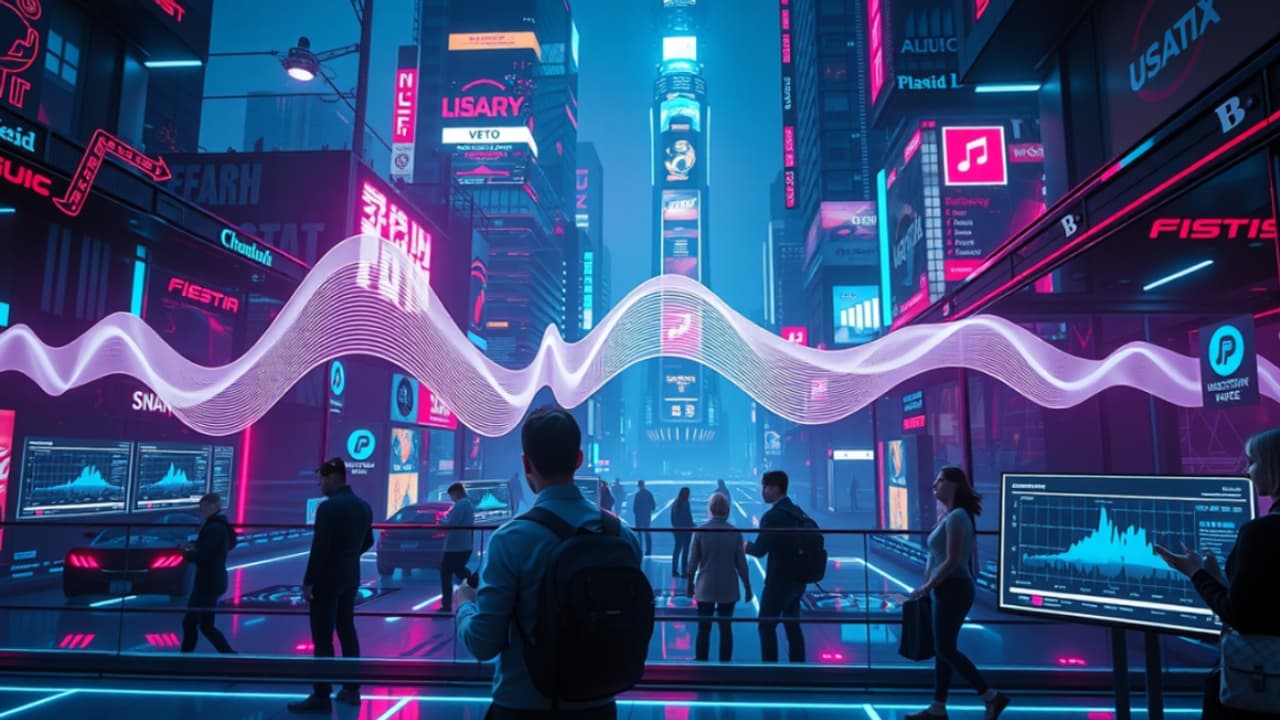
Gone are the days when an album simply dropped on a Friday and fans streamed it on cue. In today’s music landscape, the most talked-about releases don’t arrive—they emerge. Slowly. Cryptically. Like a mystery waiting to be solved. Welcome to the era of the urban puzzle, where the road to a new album is paved with GPS coordinates, hidden murals, augmented reality filters, and secret shows that feel more like side quests than press tours.
For some of today’s biggest artists, marketing isn’t about promotion—it’s about provocation. And the best way to provoke in 2025? Hide the music and dare the fans to find it.
Kanye West and the City as Canvas
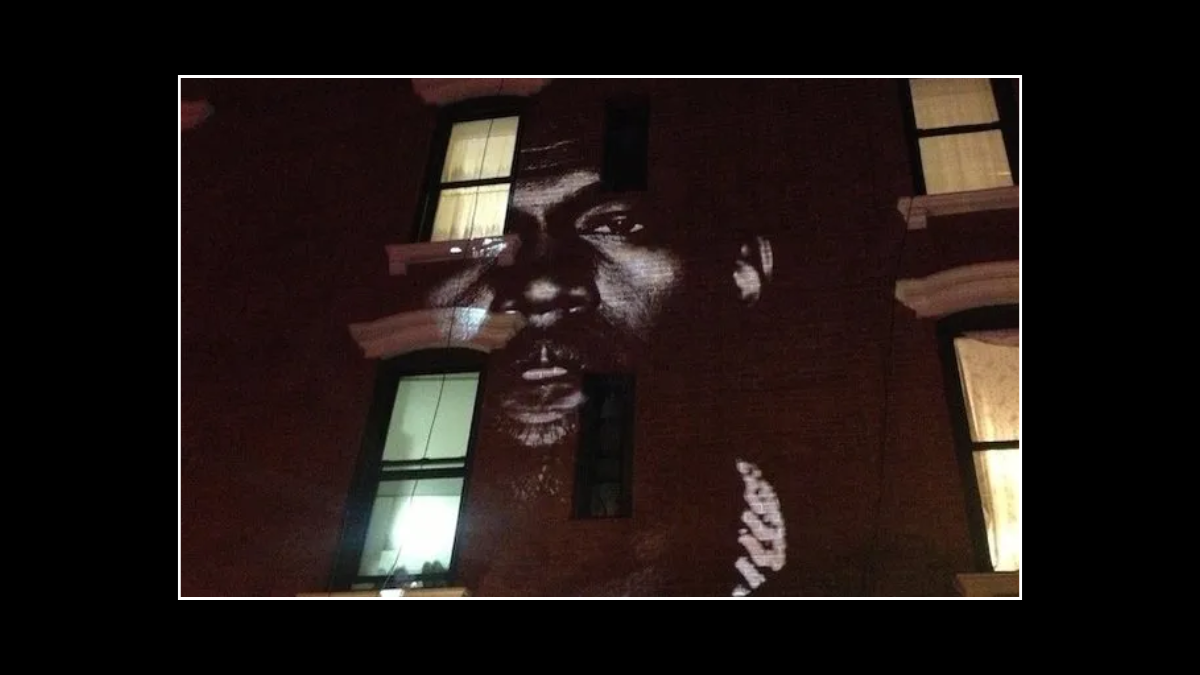
Kanye West has long treated album releases like performance art. During the rollout of ‘The Life of Pablo’, he projected visuals on buildings in major cities without prior notice. Fans sprinted through streets chasing coordinates. The city became a speaker, a billboard, a gallery. Later, Donda’s listening events transformed arenas into immersive, cryptic performances—each one revealing a new version of the album, none of them definitive. It wasn’t just about listening. It was about decoding.
Kanye’s releases feel more like digital scavenger hunts than traditional drops. And fans eat it up, piecing together the narrative, the visuals, the unreleased demos—like cultural detectives.
Beyoncé: Silence, Symbolism, Surprise
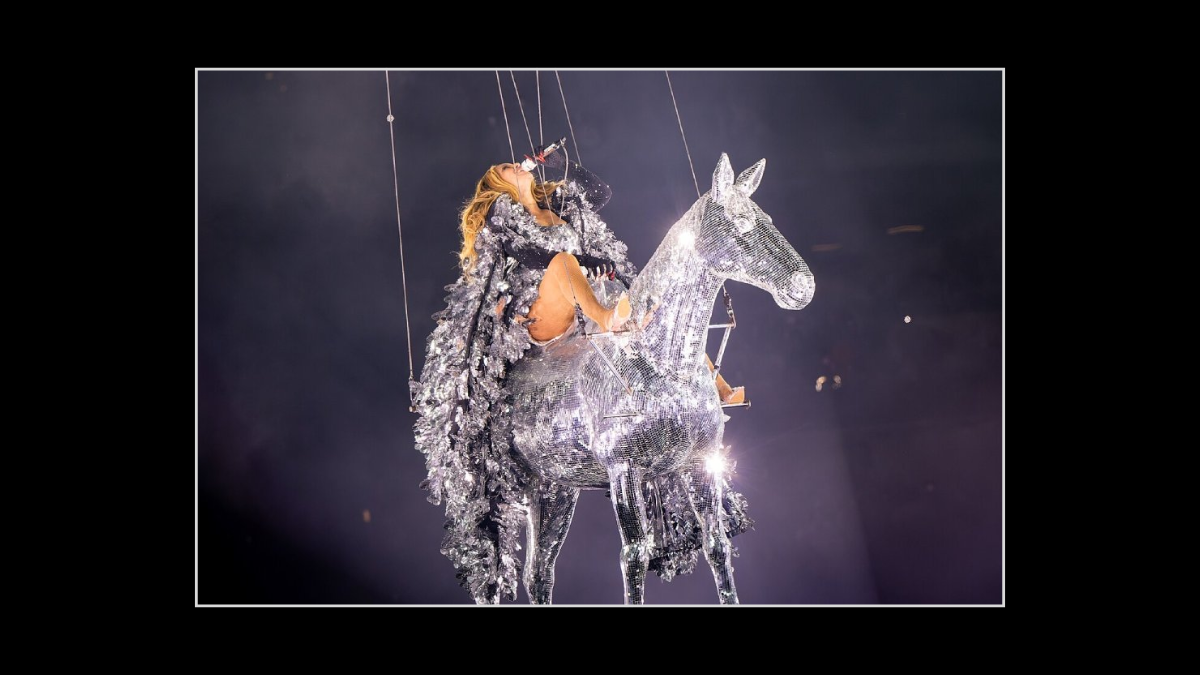
If Kanye plays the provocateur, Beyoncé plays the architect. Her visual albums ‘Lemonade’ and ‘Black Is King’ arrived as complete, world-built experiences, but the real genius is in the lead-up. In the weeks before ‘Renaissance’, fans noticed subtle shifts: cryptic horse imagery, lyric snippets buried in merch drops, silent updates to her bio. Every move felt intentional—and every lack of explanation added fuel.
Rather than push an album, Beyoncé creates gravity around it. Fans are drawn in, talking, speculating, watching. Before the music lands, it’s already a full-blown event—one the fandom helped construct.
Travis Scott and the Digital Quest
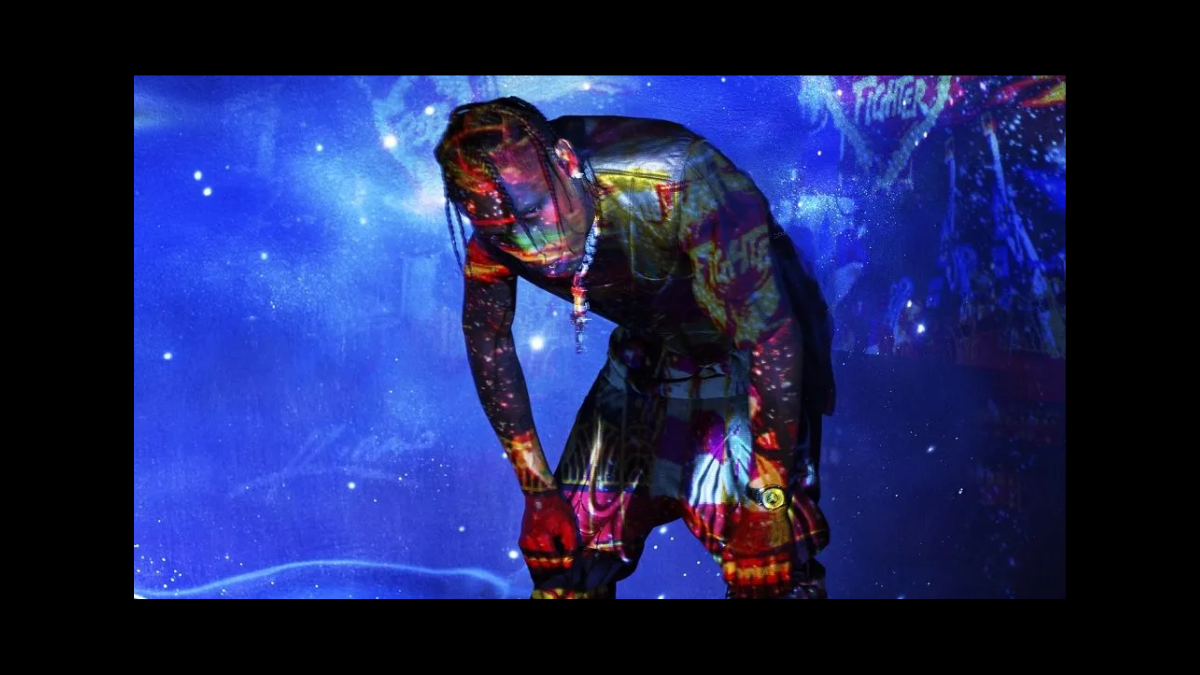
Travis Scott leans into the digital realm, often mixing gaming aesthetics with music culture. His ‘Astroworld’ rollout was thick with mysterious visuals, surreal artwork, and cryptic merch. But it was ‘Utopia’ that took things even further. Billboards appeared in cities worldwide with nothing but a strange logo or phrase. GPS clues led to unmarked listening tents. AR filters turned phones into portals. Every puzzle piece felt like a clue, and fans shared updates like scouts on a digital expedition.
It wasn’t just immersive—it was gamified. Fans were no longer just an audience. They were players in a high-stakes music mystery.
The Thrill of the Hunt in Music Marketing
Why does this work? Because in a media-saturated world, the unexpected wins. A surprise tracklist is cool. But finding a QR code at a pop-up laundromat that leads to a secret video? That sticks. These artists understand that modern listeners crave more than just the drop. They crave the drama of it.
It turns an album into an event. A moment. A memory tied not just to sound, but to space—where you were when you first heard it, or when you cracked the code with a friend.
Fans as the Final Piece in Music Marketing
What ties all these campaigns together is the fanbase. These puzzles only work because the audience is ready to play. Fans create group chats, analyze every frame, travel to coordinates, swap theories, and flood timelines with speculation. The artist may set the stage—but the fans build the mythology.
In a way, they’re not just promoting the album. They’re helping write its story.
The New Album Rollout
This is music marketing in the age of interactivity. It’s not about forcing attention. It’s about creating mystery, movement, and momentum. Whether it’s a billboard in the desert, a line of code on a website, or an Instagram Story that vanishes in seconds, the goal is always the same:
Don’t just stream the music.
Chase it. Find it. Unlock it.
Because in 2025, the best albums aren’t just heard.
They’re discovered.
Also Read: Gorpcore in Pop Culture: Influence of Movies, Music and Media
--Silviya.Y