
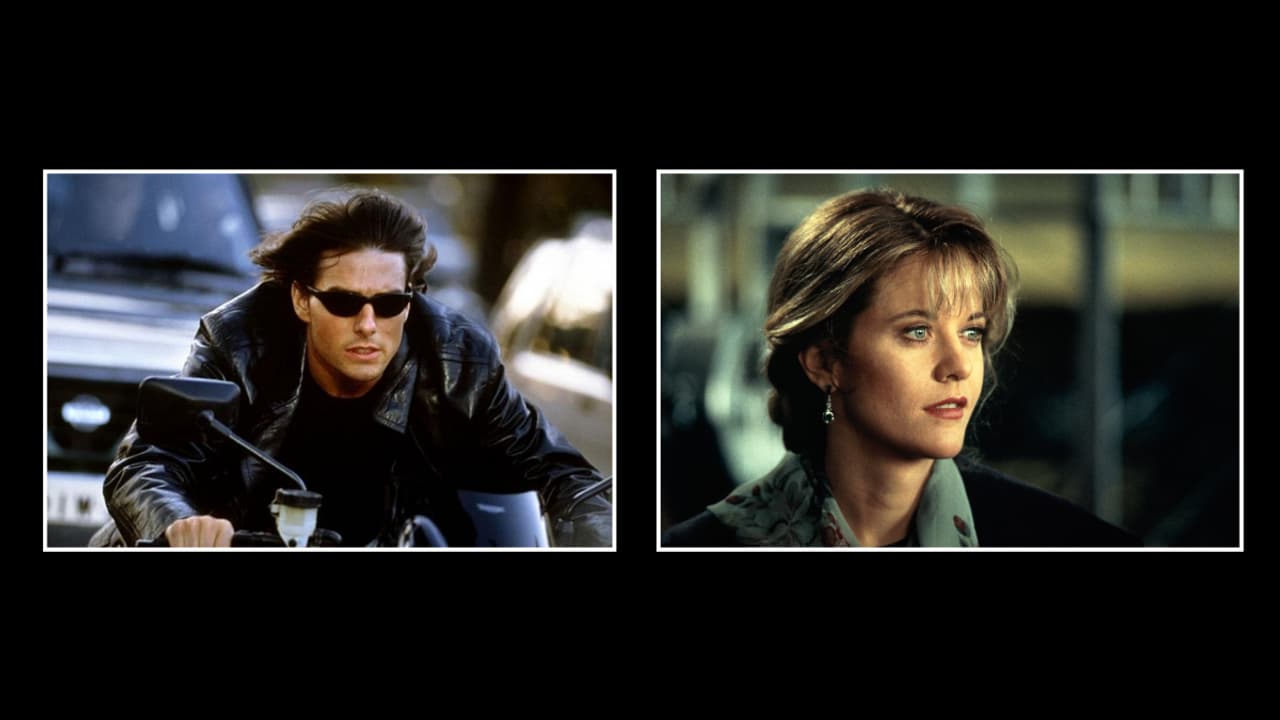
In the entertainment industry, typecasting is a double-edged sword. While it can offer initial success and recognition, it often brings with it a set of challenges that limit an actor's potential. The "pigeonholed" performer—an actor who is repeatedly cast in the same types of roles based on their established persona—faces not only limited career opportunities but also artistic frustration, the struggle to escape stereotypes, and the risk of becoming irrelevant. Let’s explore the darker side of typecasting and the hardships actors face as they try to break free from the roles that defined their careers.
The Perils of Limited Role Opportunities
One of the most immediate consequences of being typecast is the limited range of roles available to an actor. When an actor excels in a specific role—whether it's the lovable goofball, the tough guy, or the "girl next door"—casting directors and producers often start seeing them as a one-trick pony, unable to portray anything outside of their established type. As a result, the actor becomes stuck playing variations of the same character, over and over again.
This restriction can lead to a stagnation of the actor’s career. Even if they possess the range to play dramatic, comedic, or villainous roles, they may be passed over for more nuanced parts because they are seen as "only good for one thing." The industry often chooses the safe bet—roles that audiences can easily recognize and associate with the actor’s past work—rather than taking a risk on them in a different capacity.
For example, an actor who is best known for playing a charming, likable character may never be offered the opportunity to take on a more complex or dark role, limiting their professional growth. This lack of variety can also contribute to a sense of frustration and a lack of fulfillment, as many actors enter the profession to challenge themselves and explore diverse characters.
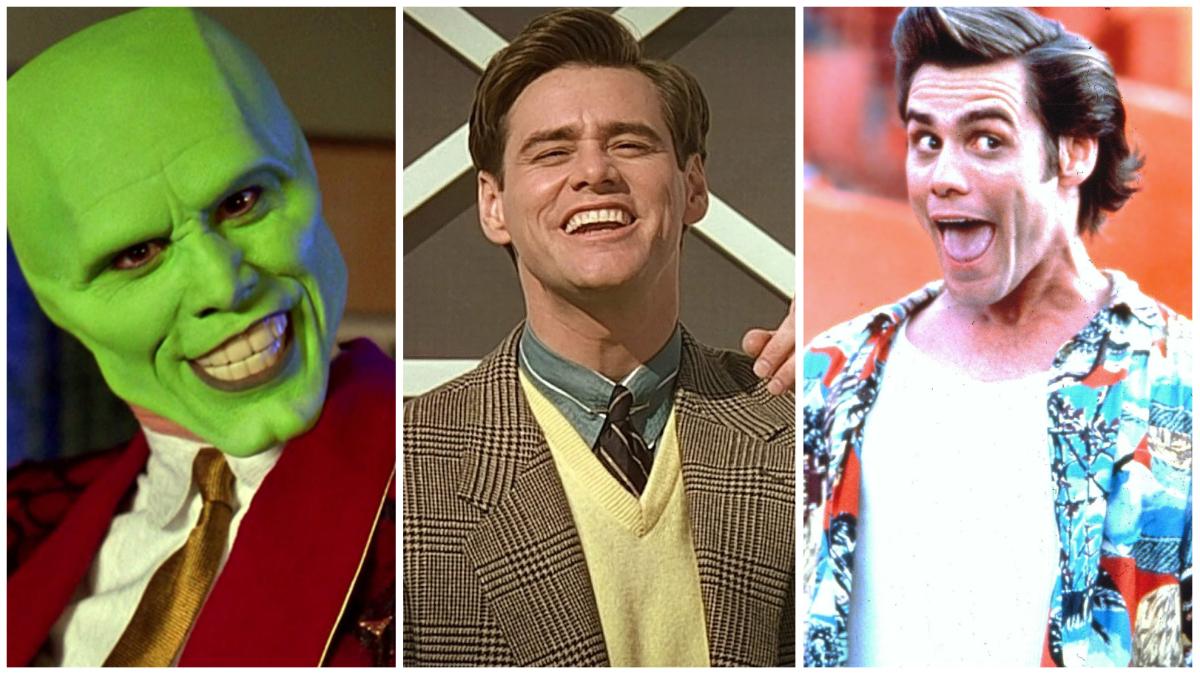
Artistic Frustration: The Desire to Break Free
Being typecast isn’t just a career limitation; it can also be a source of significant artistic frustration. Actors often enter the profession with the desire to stretch their creative muscles, to portray complex and multi-dimensional characters. However, when they are repeatedly cast in roles that feel shallow or one-dimensional, the excitement and passion for their craft can quickly turn into frustration.
Typecasting can make an actor feel as though they are trapped in a box. No matter how much effort they put into their craft or how much potential they may have for more diverse roles, the industry tends to pigeonhole them based on their previous performances. This can be particularly hard for actors who are genuinely passionate about exploring different facets of human nature but are never given the chance.
For example, actors who initially gain fame for their comedic roles might struggle to be taken seriously when they want to explore more dramatic work. Their comedic persona becomes so ingrained in the public’s perception that it’s difficult for them to be seen as capable of playing serious or complex characters. This leads to the frustration of not being able to showcase one's full range of talent or artistic depth.

Escaping Stereotypes: The Battle to Reinvent One’s Image
Another significant challenge of being typecast is the difficulty in escaping stereotypes. When an actor becomes synonymous with a particular role or archetype, breaking free from that image becomes an uphill battle. The more an actor plays the same type of character, the more deeply rooted that stereotype becomes in the audience’s mind. This can be especially problematic for actors who are cast in roles that perpetuate harmful or limiting stereotypes based on race, gender, or background.
For example, Black actors have historically been typecast into roles that either focus on criminality or servitude. While some actors embrace and subvert these roles, others find it deeply limiting, as they are rarely offered parts that show their characters in a more nuanced light. Similarly, women in Hollywood may be typecast into roles that emphasize beauty or caregiving, rather than complex, ambitious, or adventurous characters. These stereotypes can not only restrict the range of roles available to the actor but also reinforce societal biases and limit the diversity of stories told in mainstream media.
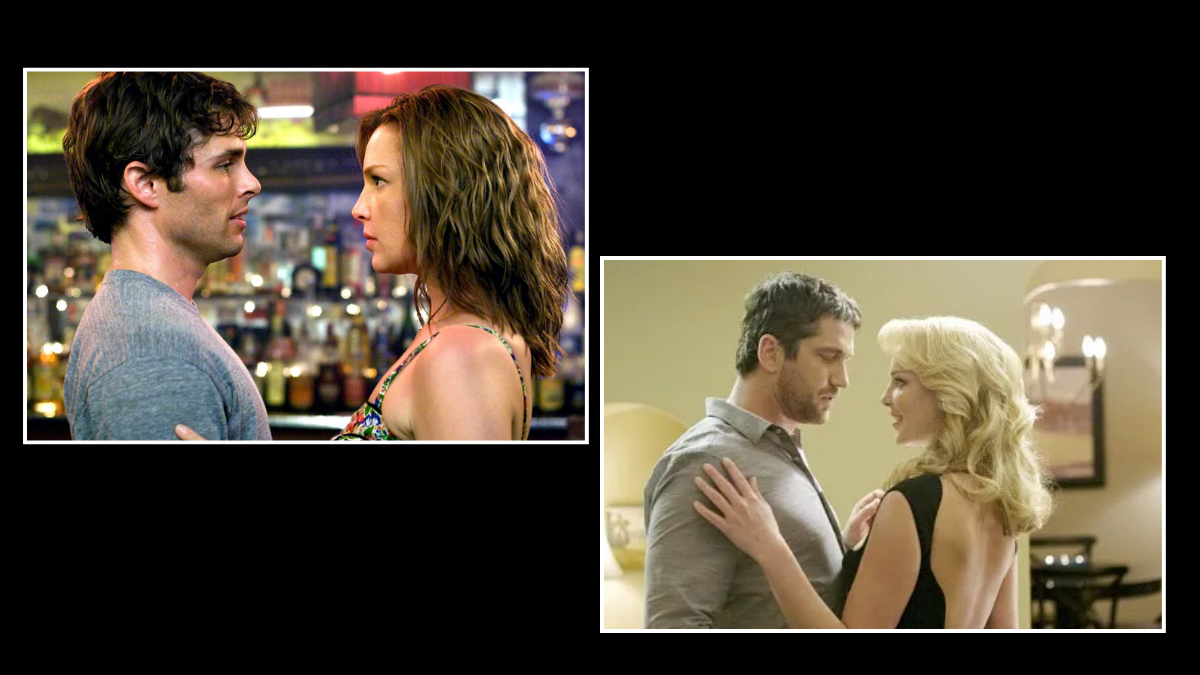
In many cases, the struggle to reinvent one’s image requires an actor to make bold career choices—often involving stepping outside their comfort zone and seeking roles that defy their established image. However, even with these efforts, the industry’s perception of them can be hard to shake, as producers and audiences are often reluctant to accept actors in new or unfamiliar roles.
The Pressure of Audience Expectations
Typecasting can also come with the pressure of meeting audience expectations. Once an actor becomes well-known for a particular character, their audience may start expecting them to play similar roles, regardless of their own aspirations or talents. This creates a cycle in which the actor is expected to fulfill a specific role in every project, even if it doesn't align with their personal or professional goals.
The pressure to meet these expectations can be overwhelming, as actors risk alienating fans or disappointing their audience if they take on a drastically different character. For example, an actor known for playing a charming romantic lead may feel the weight of fan expectations when attempting to take on a darker, more antagonistic role. Despite the actor's personal desire for variety and growth, they are often constrained by the need to satisfy the audience's desire for familiarity.
Moreover, actors who experience success in a particular role may fear being labelled a “failure” if they cannot replicate that success in subsequent projects. This fear of being typecast and pigeonholed into a single persona can stifle creative experimentation and limit an actor’s willingness to take on new, more challenging projects.
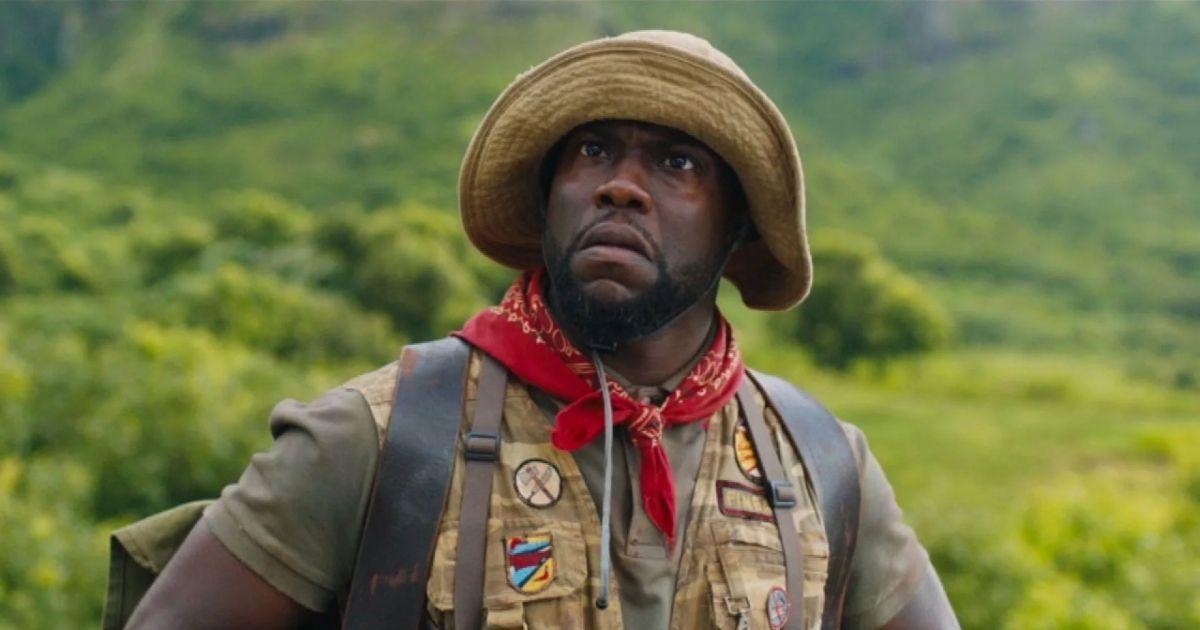
The Toll on Mental and Emotional Well-being
The emotional toll of being typecast is often overlooked, but it can have significant effects on an actor’s well-being. Constantly being forced into a specific role can lead to a sense of identity loss, as the actor feels that they are being defined by a character that is not a true reflection of their abilities or desires. This can cause emotional strain, particularly if the actor becomes frustrated with the lack of opportunities to explore their true range.
In some cases, the pressure to conform to a particular type or character can lead to burnout. The repeated performance of a role that feels limiting or unchallenging can sap an actor’s passion for the craft. When this happens, the actor may begin to question their own creative worth, resulting in self-doubt and anxiety. The desire to be recognized for their full range of talents, rather than being defined by a single image, becomes a source of inner conflict.

The Cost of Comfort and Familiarity
The dark side of typecasting reveals the personal and professional struggles faced by actors who become trapped in a cycle of repetitive roles. While typecasting may provide initial success and marketability, it often comes at the cost of artistic freedom, career diversity, and emotional well-being. The challenge of breaking free from stereotypes and reinventing oneself is a constant battle, but some actors do succeed in overcoming these obstacles, pushing past the limitations of typecasting to redefine their careers.
However, the question remains: should actors have to fight so hard to be seen as more than one-dimensional characters? Typecasting remains an inherent part of the entertainment industry, but it’s crucial that we acknowledge the struggles it brings to performers and advocate for a broader and more diverse range of roles that allow actors to explore the full spectrum of their talents.
Also Read: How the Dunning-Kruger Effect Drives Comedy in Pop Culture
--Silviya.Y