
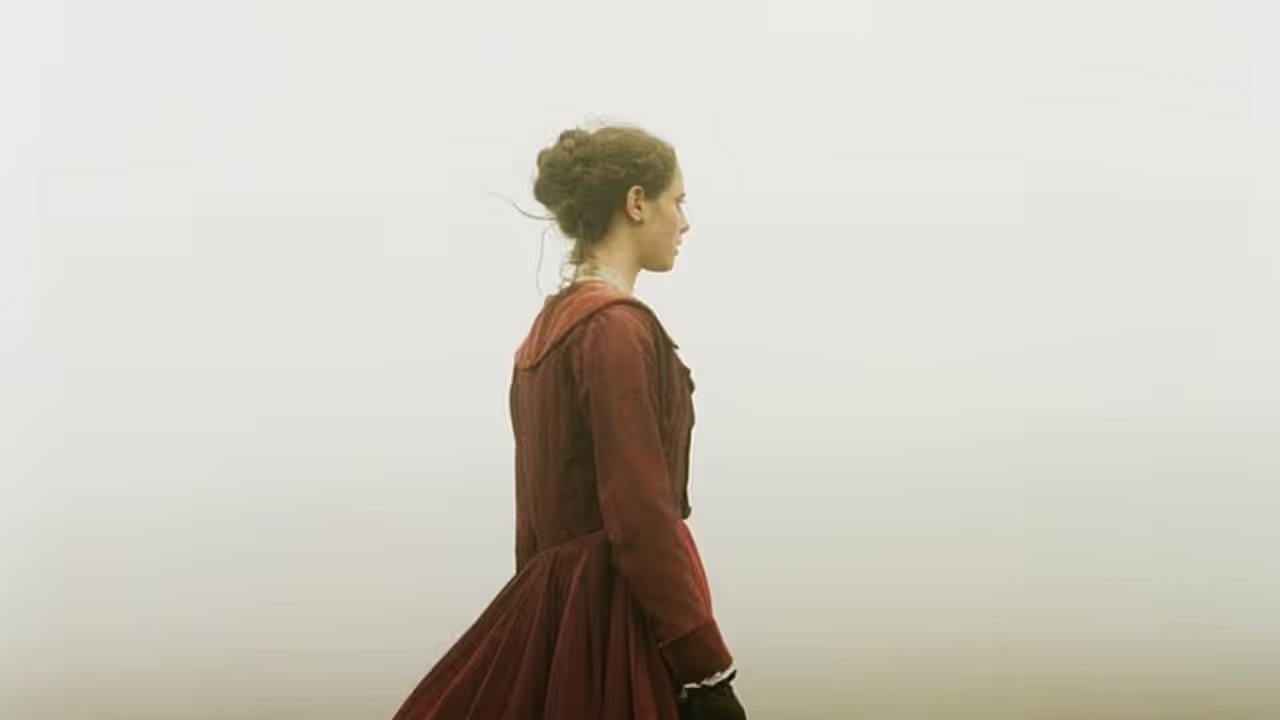
Emily Brontë's 'Wuthering Heights,' first published in 1847, has endured as one of literature's most powerful and haunting novels. A key reason for its lasting appeal lies in its masterful use of Gothic elements, which infuse the story with a dark, emotional intensity that continues to captivate readers and inspire countless adaptations.
At its core, 'Wuthering Heights' is a tale of love, revenge, and obsession, set against the wild and untamed Yorkshire moors. The setting itself is quintessentially Gothic. The isolated, windswept landscapes mirror the turbulence of the characters’ emotions, creating a sense of foreboding and danger. The eponymous 'Wuthering Heights' estate, with its cold interiors, shadowy corners, and oppressive atmosphere, becomes a character in its own right, reflecting the turmoil and passion of Heathcliff and Catherine.
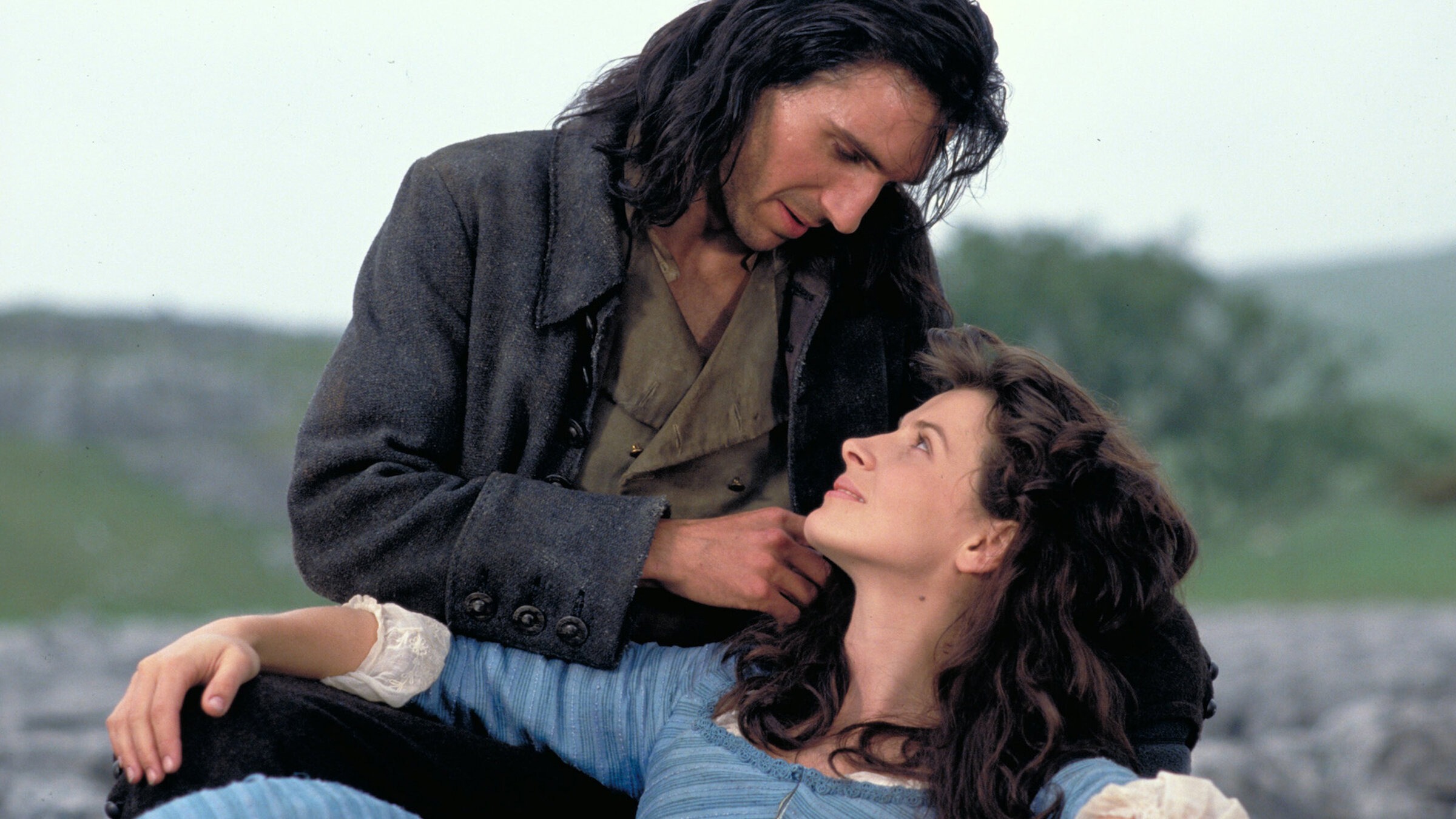
Image Courtesy: Netflix
Characters in 'Wuthering Heights' Embody Gothic Archetypes
The novel’s characters also embody Gothic archetypes. Heathcliff, with his brooding intensity and mysterious origins, fits the mould of the Byronic hero—an antihero whose inner darkness drives the plot. Catherine Earnshaw, torn between societal expectations and her raw, untamed desires, adds to the tension, creating a volatile and emotionally charged dynamic. The psychological depth of these characters heightens the Gothic atmosphere, exploring obsession, madness, and destructive love.
Supernatural undertones further enhance the novel's Gothic appeal. Ghosts, premonitions, and unexplained occurrences blur the lines between reality and the spectral, adding a sense of mystery and suspense. The famous scene where Catherine’s ghost is heard calling from the moors epitomises this element, leaving readers with a lingering sense of unease.
Also Read: https://indigomusic.com/feature/how-black-demon-brings-a-unique-twist-to-creature-horror-9777419
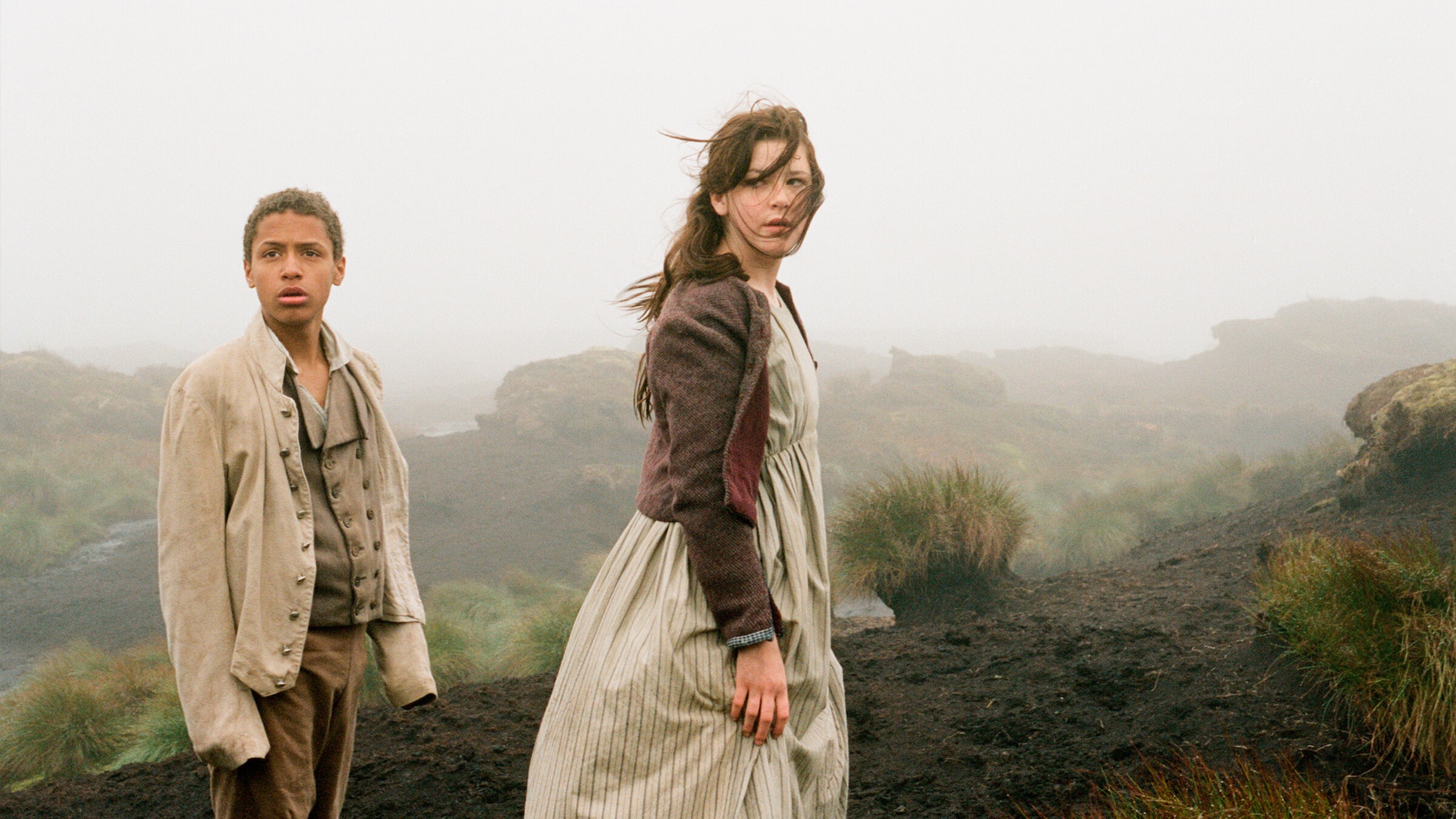
Image Courtesy: Netflix
'Wuthering Heights'—a Gothic Literature
Themes of decay, isolation, and revenge are woven throughout, hallmarks of Gothic literature. The cycle of suffering between generations, the haunted estates, and the moral ambiguity of the characters underscore a dark view of human nature and societal constraints. Brontë's use of narrative framing—stories within stories and multiple perspectives—adds to the sense of mystery and complexity, keeping readers constantly engaged.
Ultimately, it is the seamless blending of setting, character, and supernatural elements that makes 'Wuthering Heights' a quintessential Gothic novel. Its exploration of intense emotions, moral ambiguity, and the uncanny ensures that the story remains timeless, continuing to fascinate readers and filmmakers alike. The Gothic essence of the novel is what transforms a tragic love story into a literary masterpiece that resonates across centuries.
Also Read: https://indigomusic.com/feature/the-role-of-gospel-music-in-hercules-unique-soundtrack-9773830