
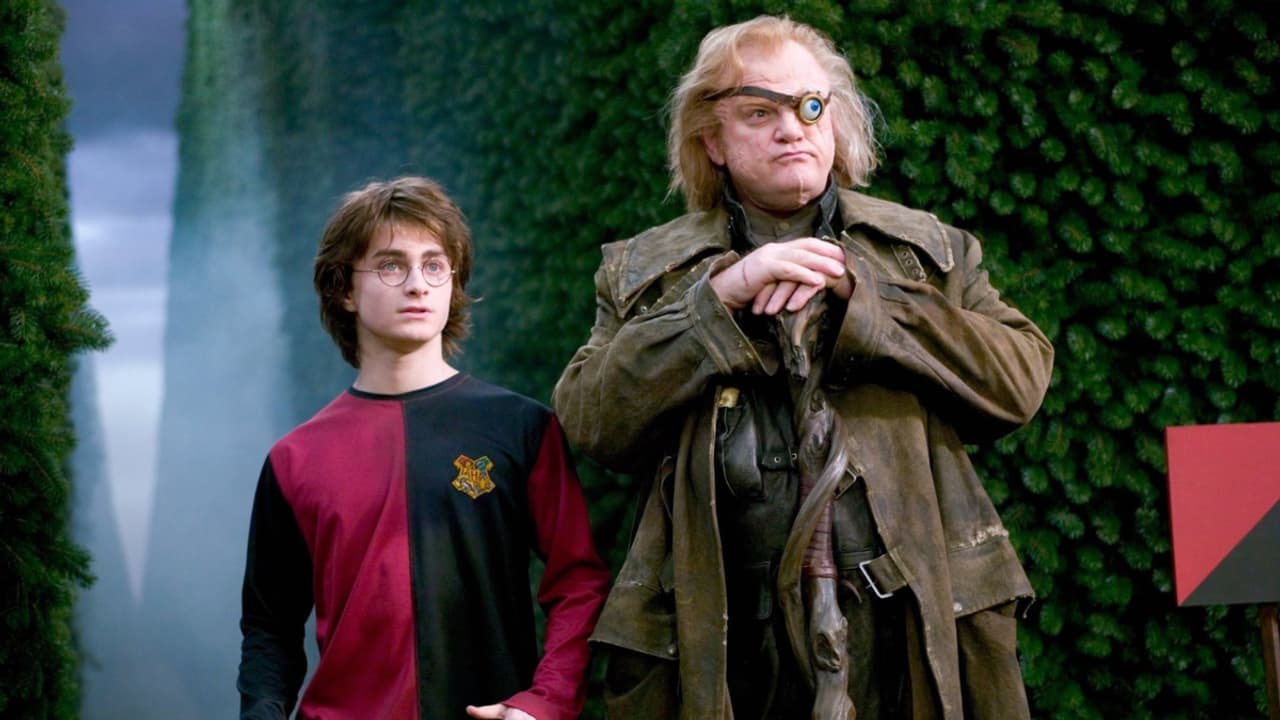
Numerous characters that were introduced in the Harry Potter series had a big influence on Harry's journey, some of whom continued to have an effect long after they passed away. Alastor "Mad-Eye" Moody is one of the most complicated of these characters, and fans were greatly disappointed by his premature passing.
Moody made his debut in Harry Potter and the "Goblet of Fire" as a disguised Barty Crouch Jr. Nevertheless, it was quickly proved that he was a talented wizard, and he was instrumental in the Battle of the Seven Potters. He intended to use Polyjuice Potion to create distractions while Harry travelled with Hagrid by having other personas pose as him in order to safeguard Harry throughout his transit. However, Moody was taken by surprise by Mundungus Fletcher's treachery, which led Voldemort to use the Avada Kedavra curse to kill him off-screen.
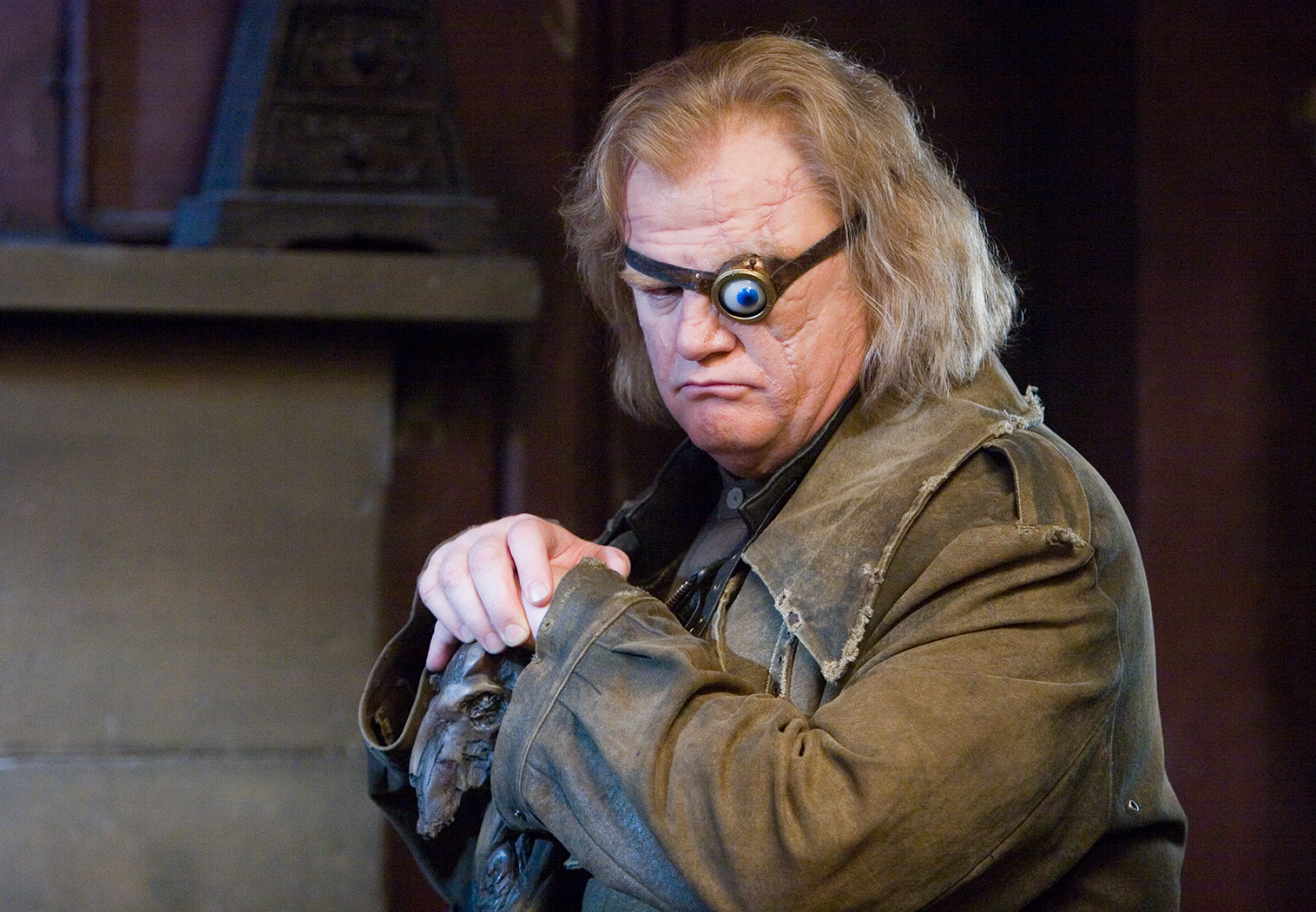
Image Courtesy: Wizarding World
Even though this death was significant, it seemed like a lost chance. One of the series' most capable characters was Moody, an experienced Auror who had made it through many perilous situations. His character was harmed by the decision to kill him off-screen and without revealing his last moments. It would have been more appropriate to display his abilities in the last, epic combat, especially against Voldemort, given his talent. Instead of being a moving moment that demonstrated his bravery and preparedness, his death was merely a quick account.
Given that he died defending Harry and aiding in the battle against Voldemort's army, Mad-Eye's reputation as a fierce and watchful warrior deserved a more suitable demise. His off-screen demise lacked the emotional impact that Remus Lupin's or Sirius Black's deaths in the series were able to evoke. Moody's impact endured, nevertheless, as Harry and his friends were influenced by his motto, "Constant Vigilance," throughout their subsequent travels.
–Farheen Ali