
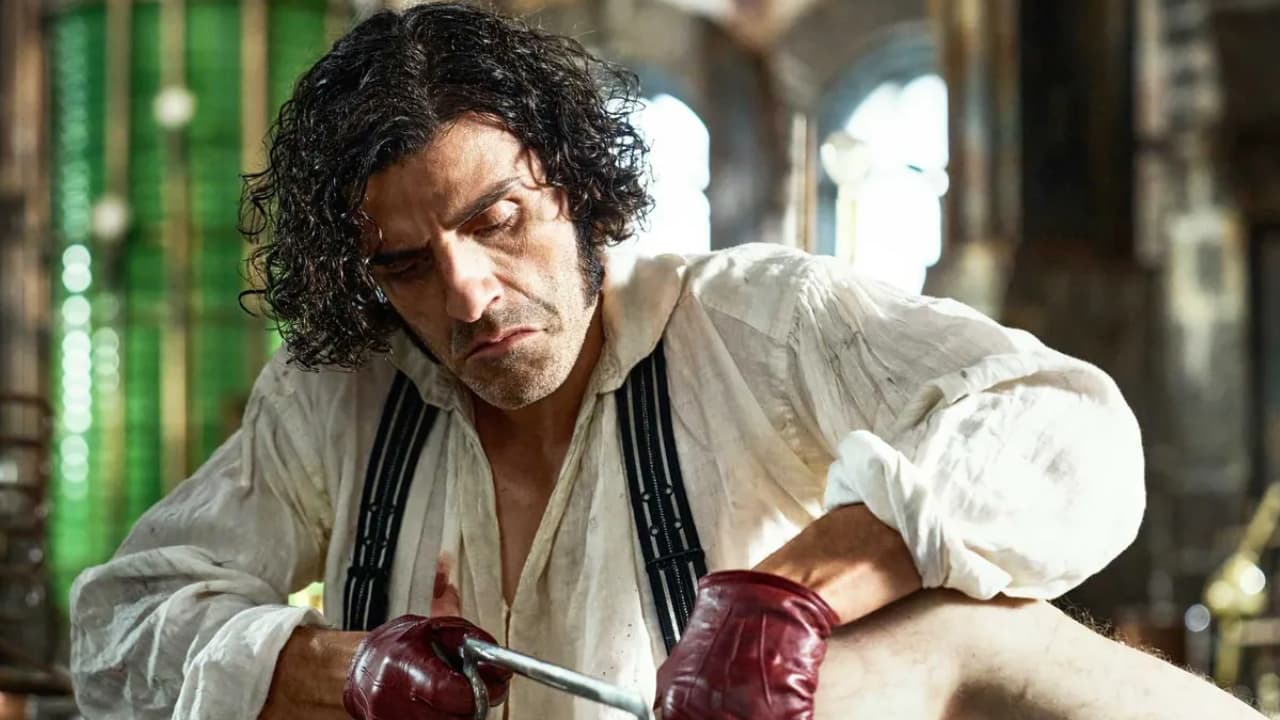
Since Mary Shelley first introduced Frankenstein's creature in her 1818 novel, filmmakers have been captivated by the story of Victor Frankenstein and his unnatural creation. While early adaptations often focused on the horror of the monster itself, modern retellings increasingly explore the creature's perspective, highlighting its struggle for humanity, identity, and connection.
In classic films like the 1931 'Frankenstein,' Boris Karloff's monster was portrayed as a frightening figure, emphasising terror and suspense. Audiences were drawn to the horror of the creation rather than the inner life of the creature.

Image Courtesy: People
Yet even in these early versions, glimpses of the monster's humanity emerged—moments of sadness, confusion, or longing that hinted at a being capable of emotion. These subtle portrayals laid the groundwork for future adaptations to explore the character more deeply.
'Frankenstein' Empathetic Approach
Contemporary adaptations, however, have taken a more empathetic approach. Directors and writers now often depict the monster as a tragic figure, highlighting the consequences of social rejection, isolation, and the desire for companionship. By presenting the story from the creature's viewpoint, filmmakers challenge audiences to question what it truly means to be human. The monster is no longer just a terrifying figure—it becomes a mirror reflecting society's fears, prejudices, and moral responsibilities.
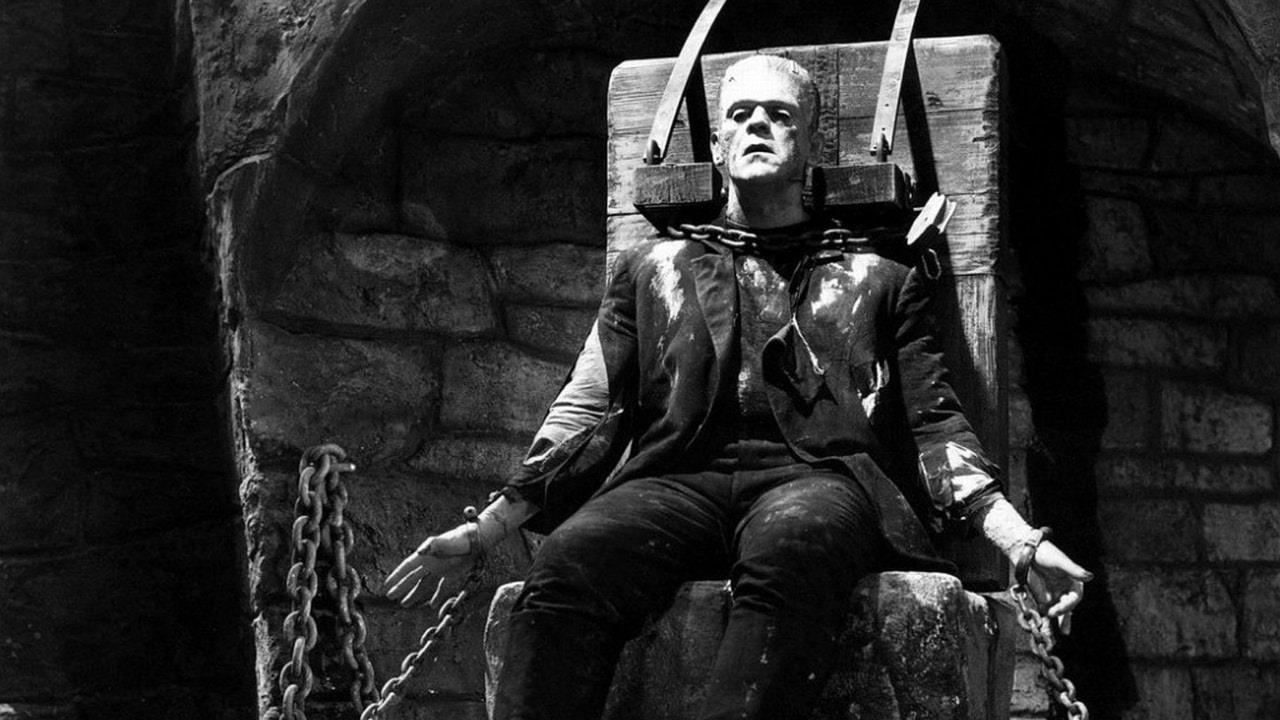
Image Courtesy: MUBI
Several recent adaptations emphasise this theme by giving the monster a voice, literal or figurative. Whether through inner monologues, expressive acting, or even modernised dialogue, the audience experiences the creature's perspective: the pain of being judged by appearance, the yearning to connect with others, and the moral dilemmas it faces as it navigates a world that fears and misunderstands it.
These interpretations make the story more than a horror tale; they transform it into a philosophical exploration of empathy and morality.
'Frankenstein' as a Scientific Ambition
Exploring the monster's perspective also allows filmmakers to examine the consequences of scientific ambition and human hubris. Victor's obsession with creating life at any cost is mirrored in the suffering of the creature, emphasising the ethical questions at the heart of Shelley's story.
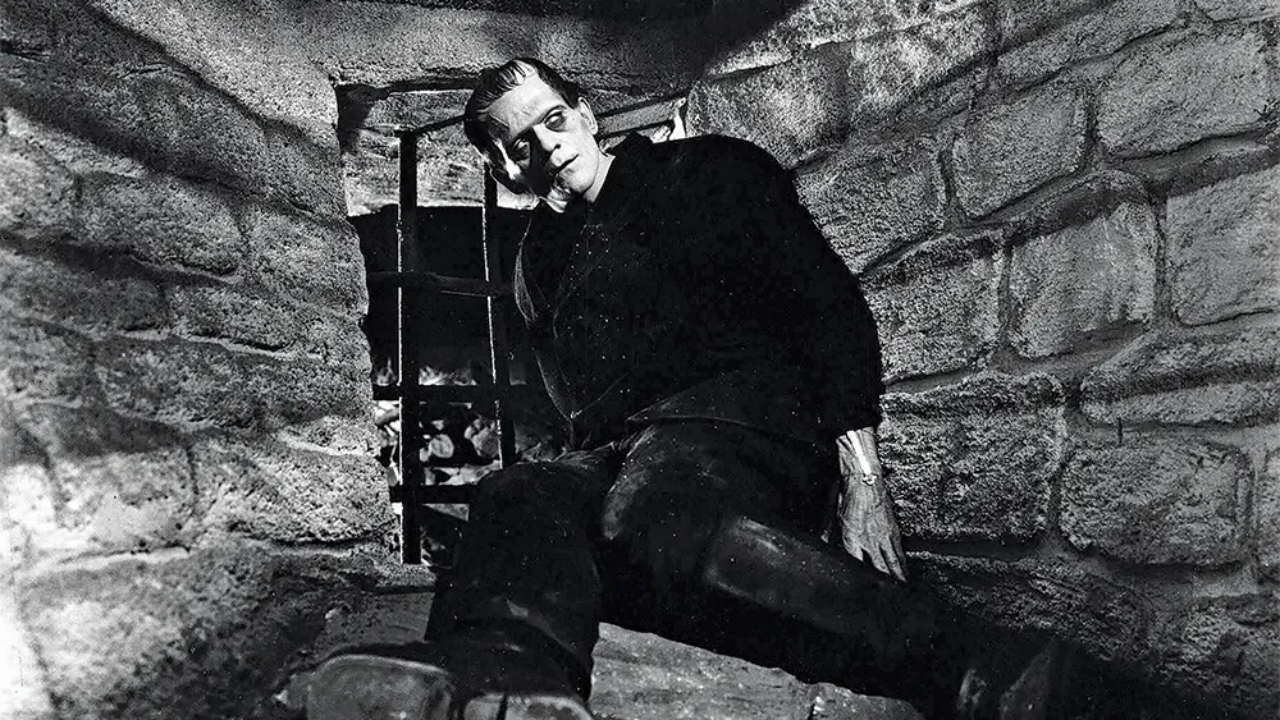
Image Courtesy: Variety
By centring the narrative on the monster, adaptations invite viewers to feel compassion and grapple with the complex moral issues presented in the tale.
Ultimately, examining 'Frankenstein' through the monster's eyes turns a classic horror story into a profound exploration of humanity. It challenges audiences to reconsider the boundaries between creation and creator, appearance and identity, and fear and empathy, ensuring that Shelley's timeless work continues to resonate across generations.