
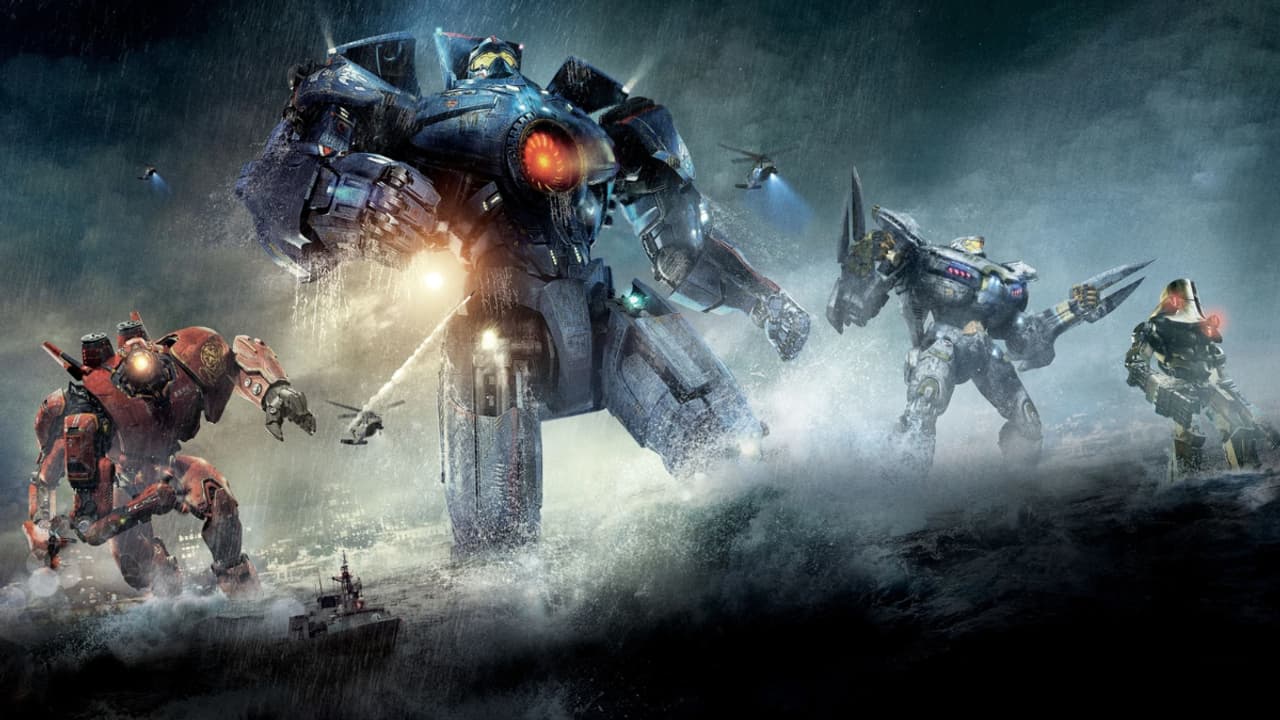
When ‘Pacific Rim’ hit theatres in 2013, it captivated audiences with its colossal Jaegers—towering human-piloted robots built to battle monstrous Kaiju. But beyond the visual spectacle, it sparked a lingering question among fans and scientists alike: could something like a Jaeger actually exist?
Let’s start with the basics. Jaegers in the film are over 250 feet tall, weigh thousands of tons, and are powered by nuclear reactors. In reality, building a robot of that size poses enormous engineering challenges. For one, the sheer weight of a Jaeger would cause structural strain. Materials used in construction would need to be incredibly strong yet lightweight—think advanced carbon-fiber composites or futuristic alloys we haven’t invented yet.
Then there’s the issue of movement. Human-like bipedal motion is already difficult to replicate in robotics. Current tech, such as Boston Dynamics’ Atlas robot, can walk and run—but scaling that to Jaeger proportions while maintaining balance, speed, and agility is exponentially more complex. The actuators (robotic “muscles”) required to move a Jaeger would also need to be both powerful and responsive, a technology still far from realisation.
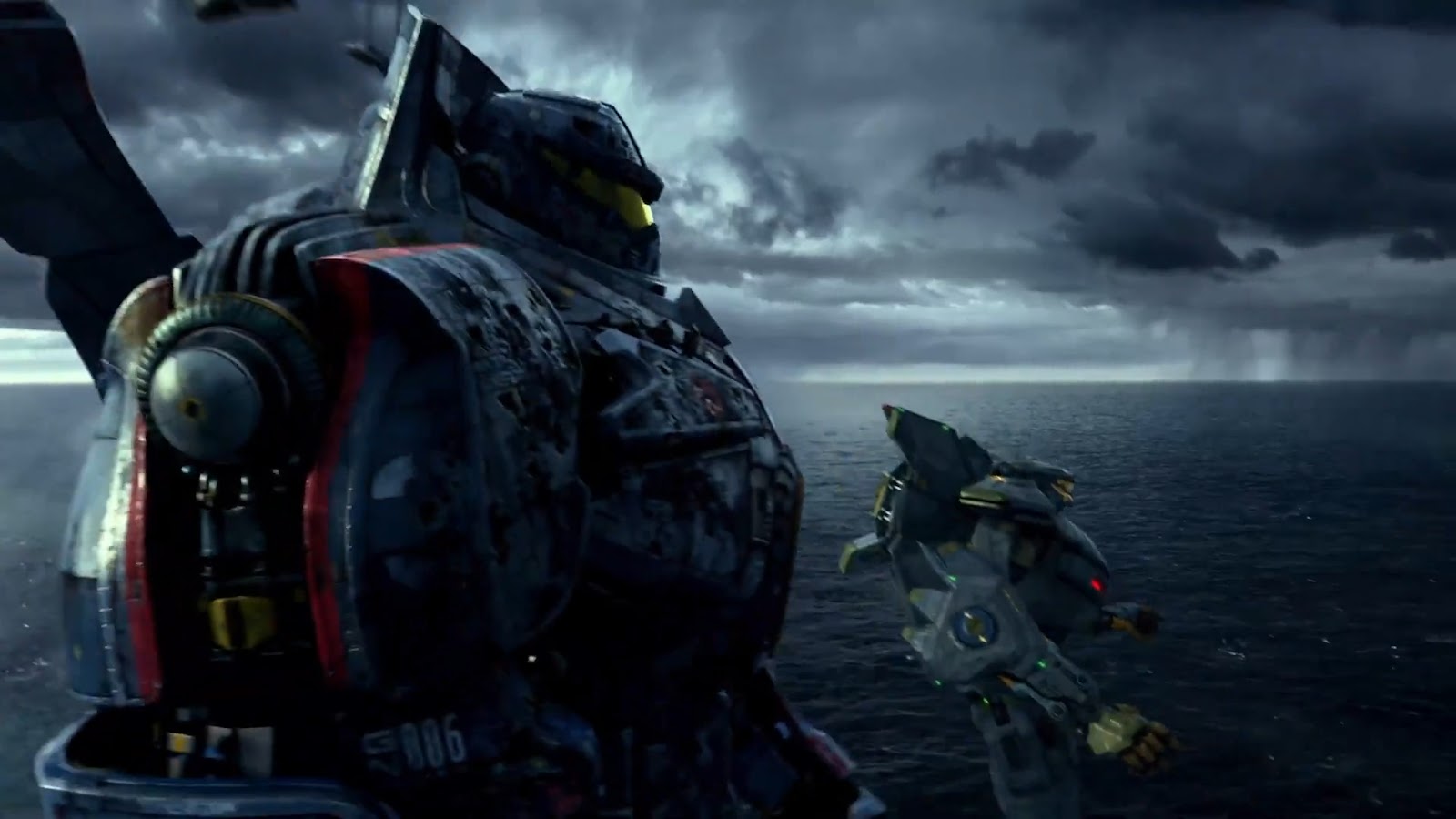
Image Courtesy: IMDb
Perhaps the most intriguing (and fictional) part of Pacific Rim’s science is the “Drift” system, where two pilots link their minds to share the mental load of controlling a Jaeger. While brain-machine interfaces do exist—scientists have enabled people to control prosthetics or cursors with their thoughts—mind-melding two human brains with such precision is pure science fiction. We’re only beginning to scratch the surface of neural communication, let alone two-way cognitive syncing.
Even if we somehow solved the mechanics, the energy demands of a Jaeger would be staggering. A nuclear power source, while feasible in theory, would present safety and operational nightmares—especially in a densely populated combat zone.
That said, Pacific Rim isn’t about hard science; it’s a love letter to kaiju cinema, anime, and grand-scale heroism. While Jaegers remain improbable with our current technology, the film serves as a bold vision of what humanity might one day attempt, blending speculative science with cinematic wonder.
In short, could Jaegers exist? Not today—but they fuel the imagination, and sometimes that’s just as powerful.
–Farheen Ali