
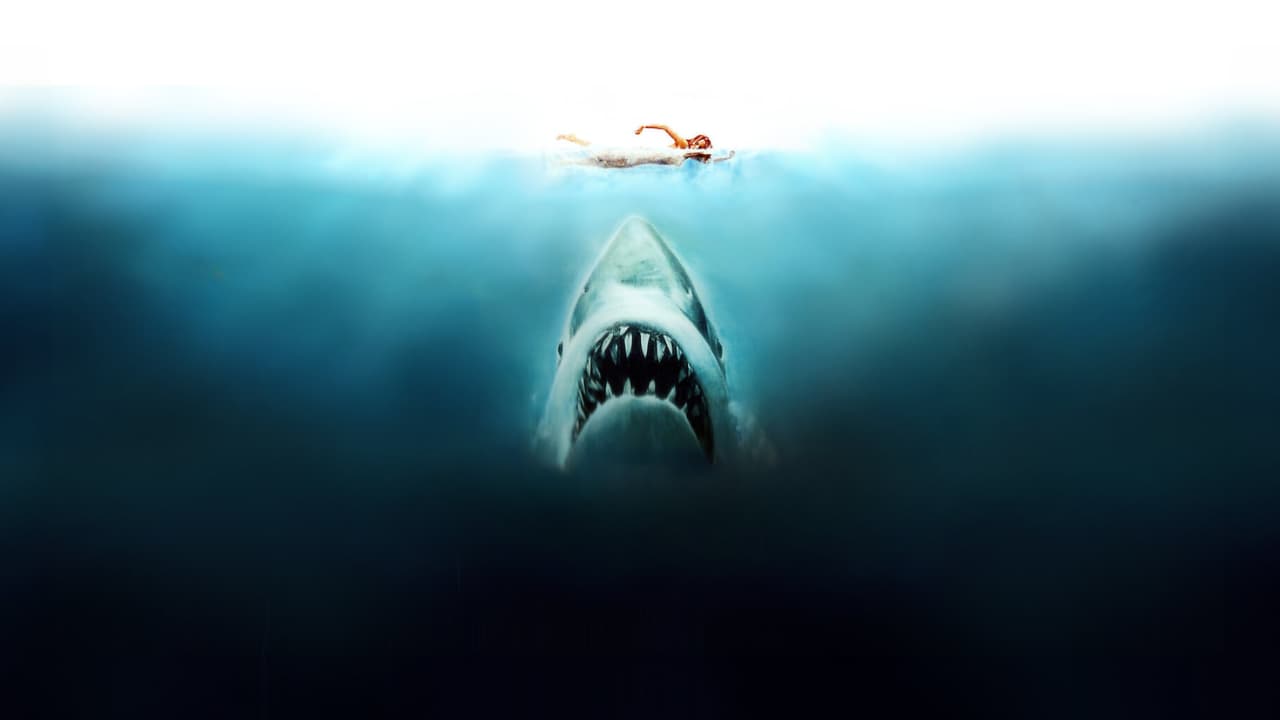
When 'Jaws' premiered in 1975, audiences around the world were gripped with terror. Steven Spielberg’s summer blockbuster became a cultural phenomenon, sparking a newfound fear of the ocean. But the true brilliance of 'Jaws' doesn’t lie in its depiction of a man-eating great white shark—it lies in how it masterfully uses fear itself as the real antagonist.
On the surface, 'Jaws' is a creature feature. A giant shark attacks swimmers off the coast of the fictional town of Amity Island, and the local authorities scramble to stop it. But look deeper, and you’ll see that the film’s true power comes from how it weaponises fear—fear of the unknown, fear of failure, fear of loss, and fear of the uncontrollable force of nature.
For most of the film, the shark is barely shown. Due to mechanical issues with the animatronic shark, Spielberg was forced to get creative. This “problem” became a cinematic advantage. The lack of a visible threat made the suspense unbearable and allowed viewers’ imaginations to fill in the blanks. As a result, the fear became more psychological than physical.

Image Courtesy: IMDb
'Jaws' Features Real World Issues
The townspeople's panic reflects how fear spreads like wildfire. Politicians ignore warnings, businesses prioritise profits over safety, and rational decision-making is clouded by denial and self-interest. This mirrors real-world crises, where fear often leads to bad decisions or paralysis. The shark, in this context, is just a trigger. The chaos that follows is entirely human-made.
Chief Brody, the film’s emotional core, embodies this internal battle. His fear of water symbolises a deeper anxiety—his own powerlessness in protecting his family and town. The shark may be the immediate threat, but it’s Brody’s personal reckoning with fear that ultimately drives his transformation.
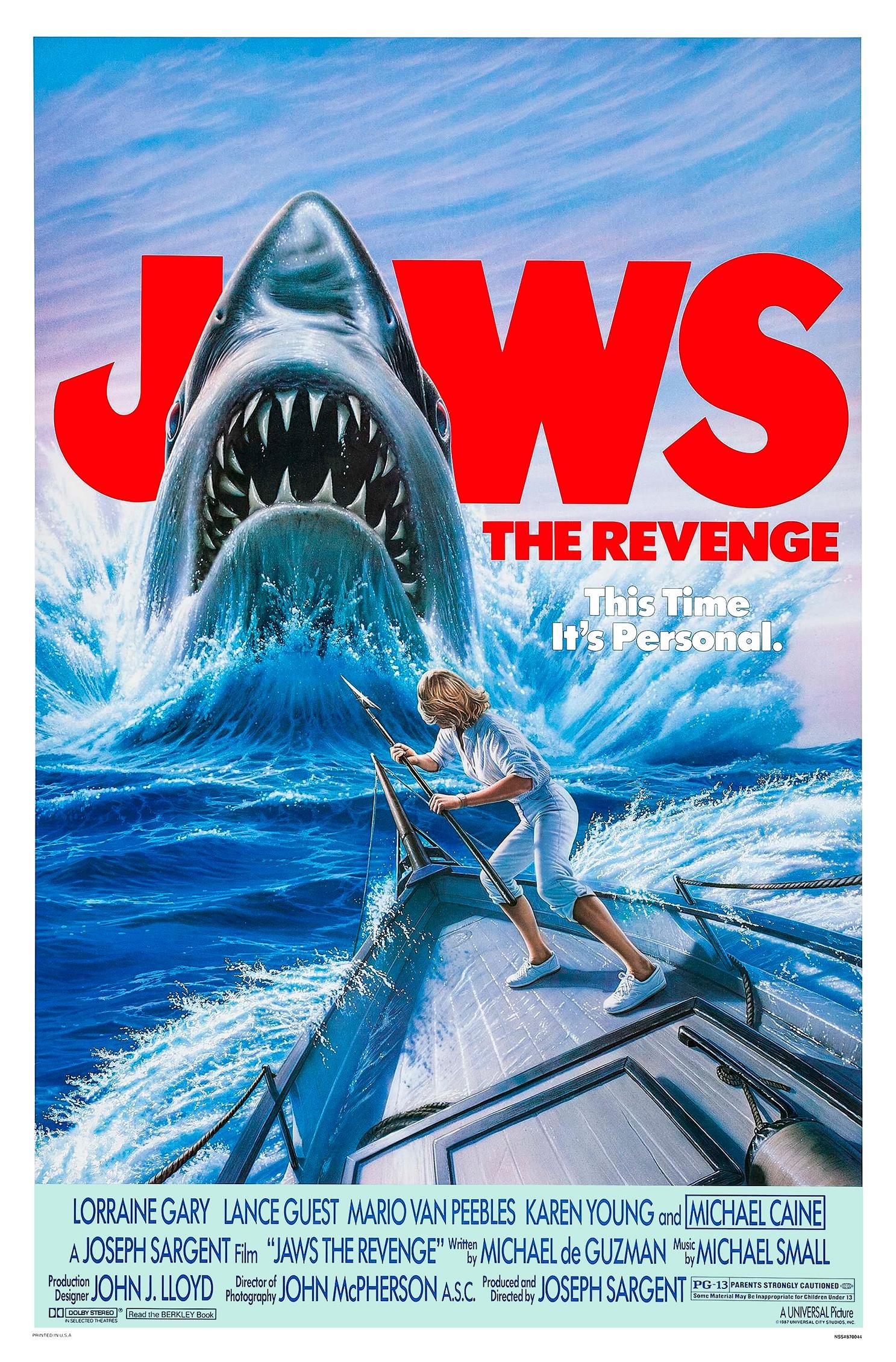
Image Courtesy: IMDb
In the end, 'Jaws' isn’t just about a predator in the water. It’s about the primal fear that lives within all of us—fear of the unseen, of being vulnerable, of losing control. The true horror lies not in the shark’s teeth, but in how fear can fracture communities, cloud judgment, and push people to the edge.
Nearly 50 years later, 'Jaws' still resonates because it reminds us that the real monster often isn’t what’s out there—it’s what’s inside us.