
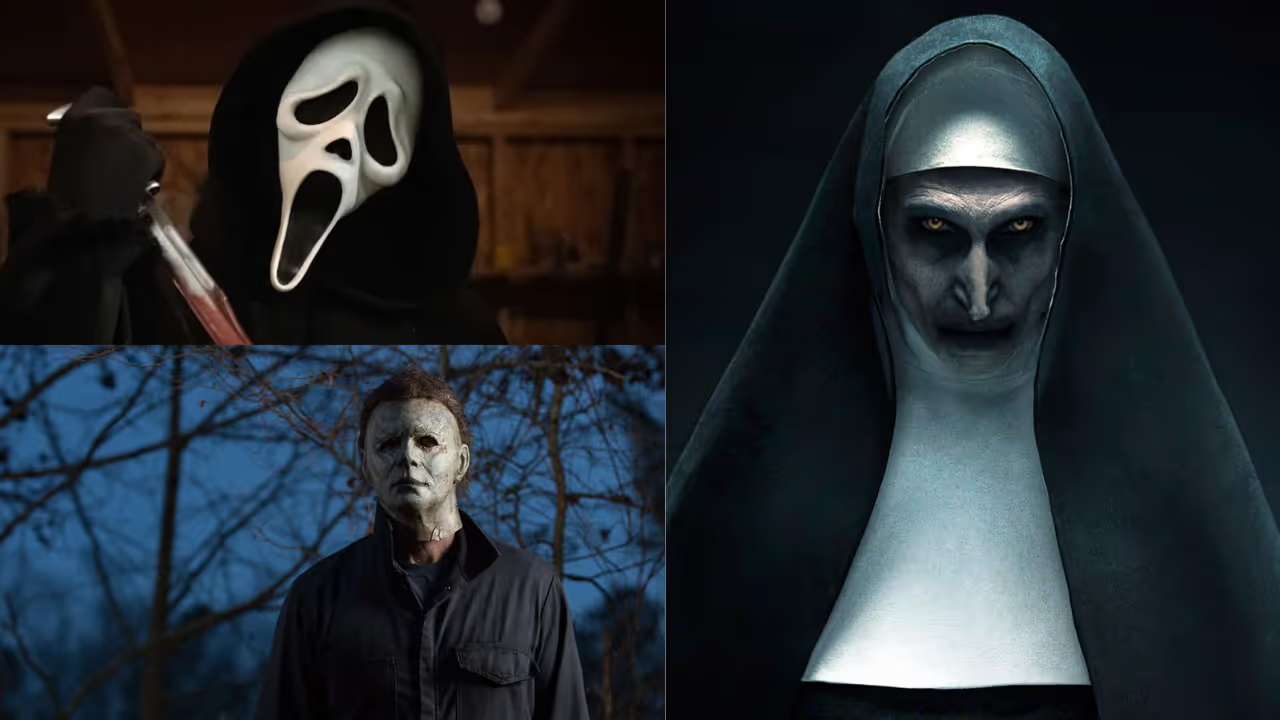
Every October, audiences across the world eagerly turn off the lights, grab popcorn, and willingly scare themselves silly with horror movies. From classic slashers like 'Halloween' to modern psychological thrillers like 'Hereditary,' our fascination with fear is undeniable. But what exactly draws us to the very emotions we spend our lives trying to avoid? Science has some fascinating answers.
Science Behind Loving Horror Films
At its core, fear is a survival mechanism. When our brains sense danger—real or imagined—the amygdala triggers a rush of adrenaline and cortisol, heightening our alertness and preparing the body for "fight or flight." Horror films mimic this experience safely. Viewers get the thrill of facing danger without the real-world risk. It's the same reason people ride roller coasters—the fear is controlled, and that makes it fun.
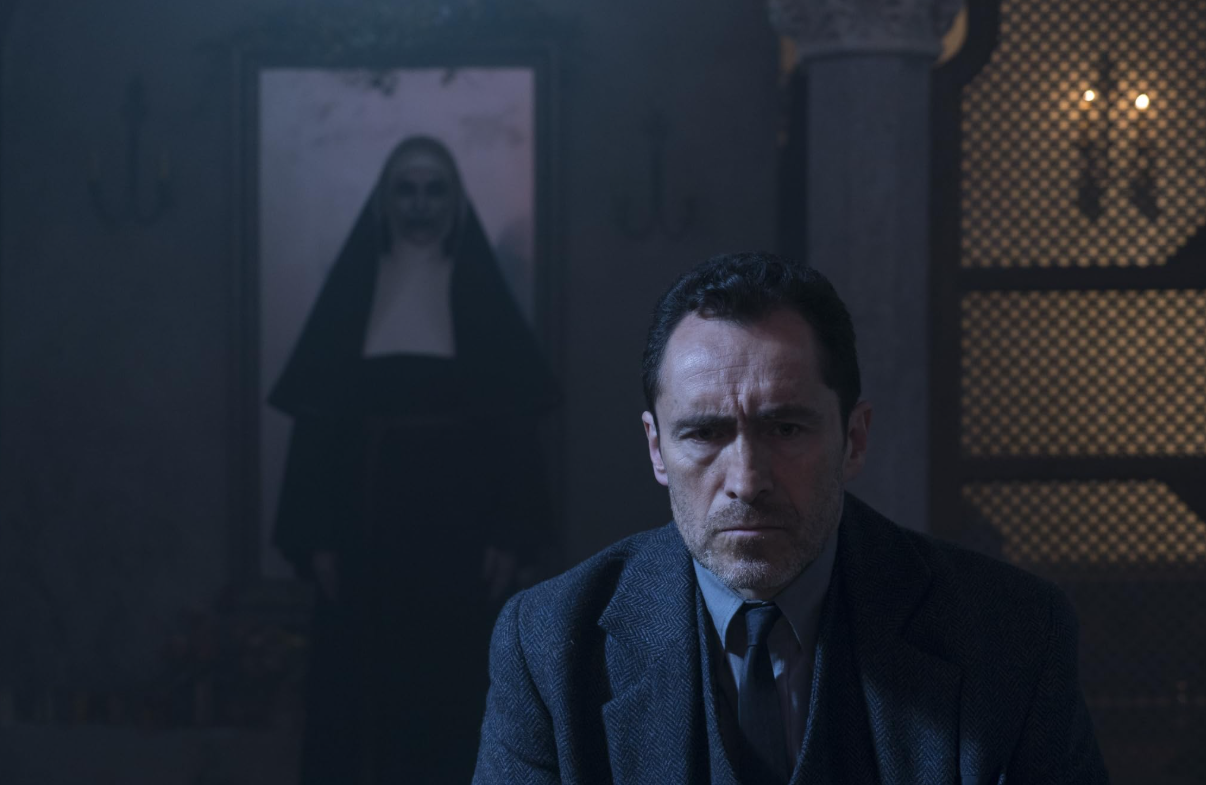
Image Courtesy: IMDb
Psychologists suggest that horror films offer a safe space to explore intense emotions. In a secure environment, viewers can confront deep-seated anxieties—death, the unknown, loss of control—and emerge unscathed. This cathartic process helps some people feel more in control of their fears. After the credits roll, the sense of relief and excitement can even release dopamine, the "feel-good" chemical linked to pleasure and reward.
Also Read: https://indigomusic.com/feature/how-streaming-has-transformed-the-halloween-movie-season-10609833
Social Explanation for Loving Horror Films
There's also a social side to our love of horror. Watching scary movies together fosters bonding—think of friends screaming in unison or couples holding hands during a jump scare. These shared emotional highs and lows strengthen relationships through collective adrenaline and laughter. Horror, in many ways, connects people through shared vulnerability.
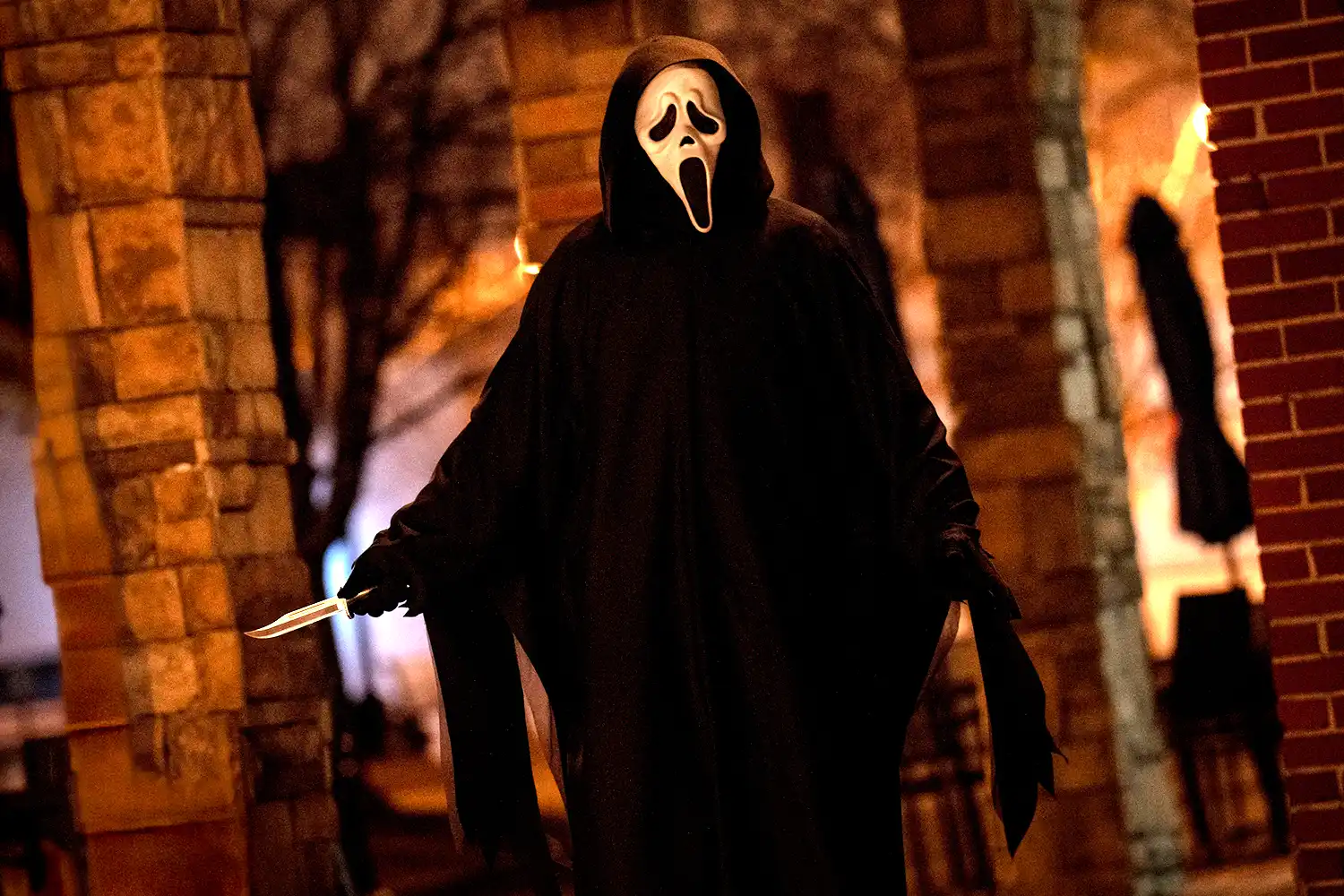
Image Courtesy: People
Personality also plays a role. Research shows that people high in sensation-seeking or openness to experience tend to enjoy horror more. They're drawn to the unpredictability, creativity, and intensity of the genre. Others may appreciate the moral clarity of horror: the battle between good and evil, survival and destruction, or chaos and order.
Moreover, horror films often reflect societal fears. Zombies, pandemics, haunted houses, and psychological breakdowns all symbolise the collective anxieties of their time. By confronting these themes through fiction, audiences process real-world fears in manageable ways.
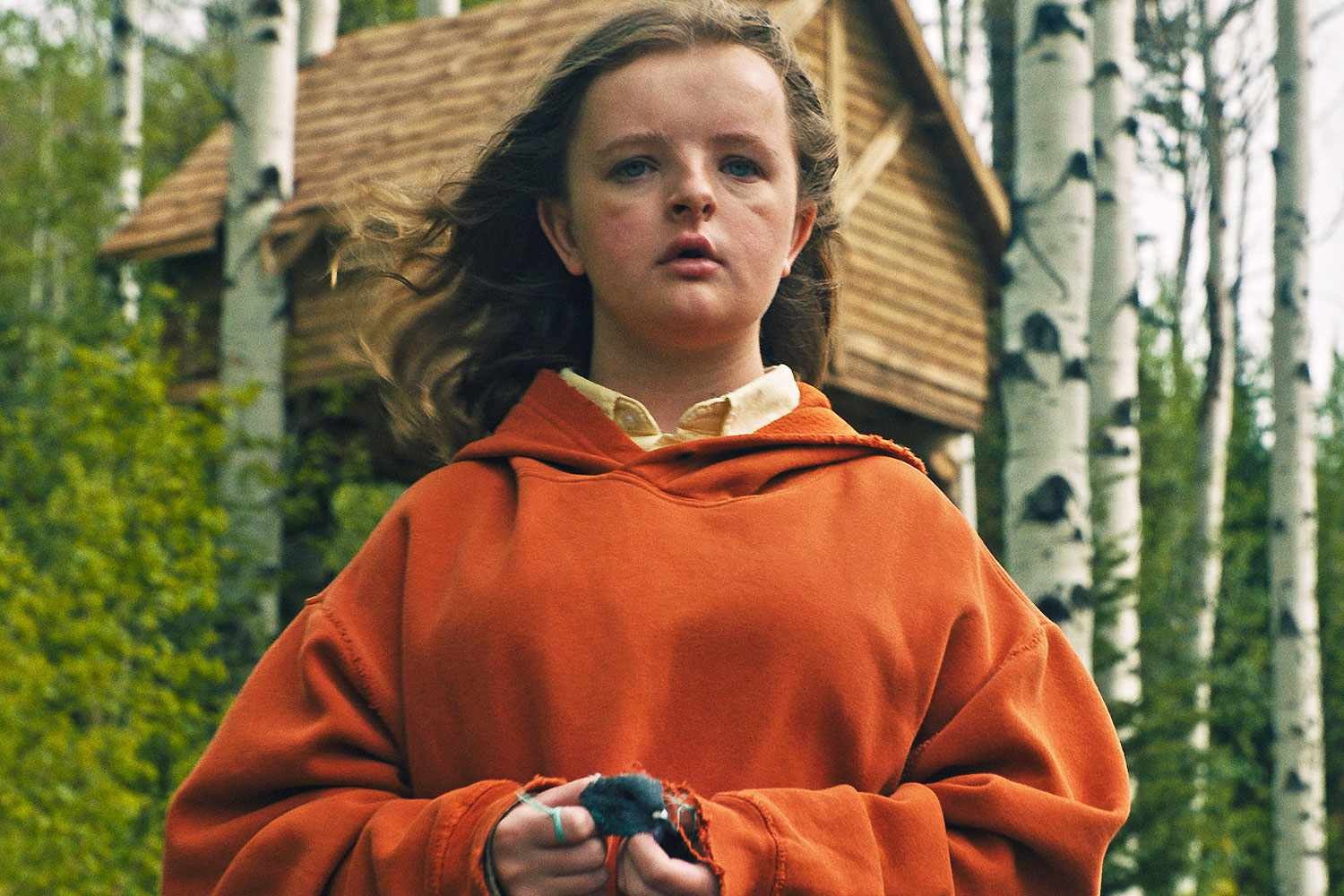
Image Courtesy: People
Ultimately, our love of horror isn't about enjoying pain or panic—it's about embracing emotion, excitement, and the satisfaction of surviving the scare. The science of fear reveals that horror gives us a rare opportunity to face the darkness and discover our resilience—all from the safety of the couch.