
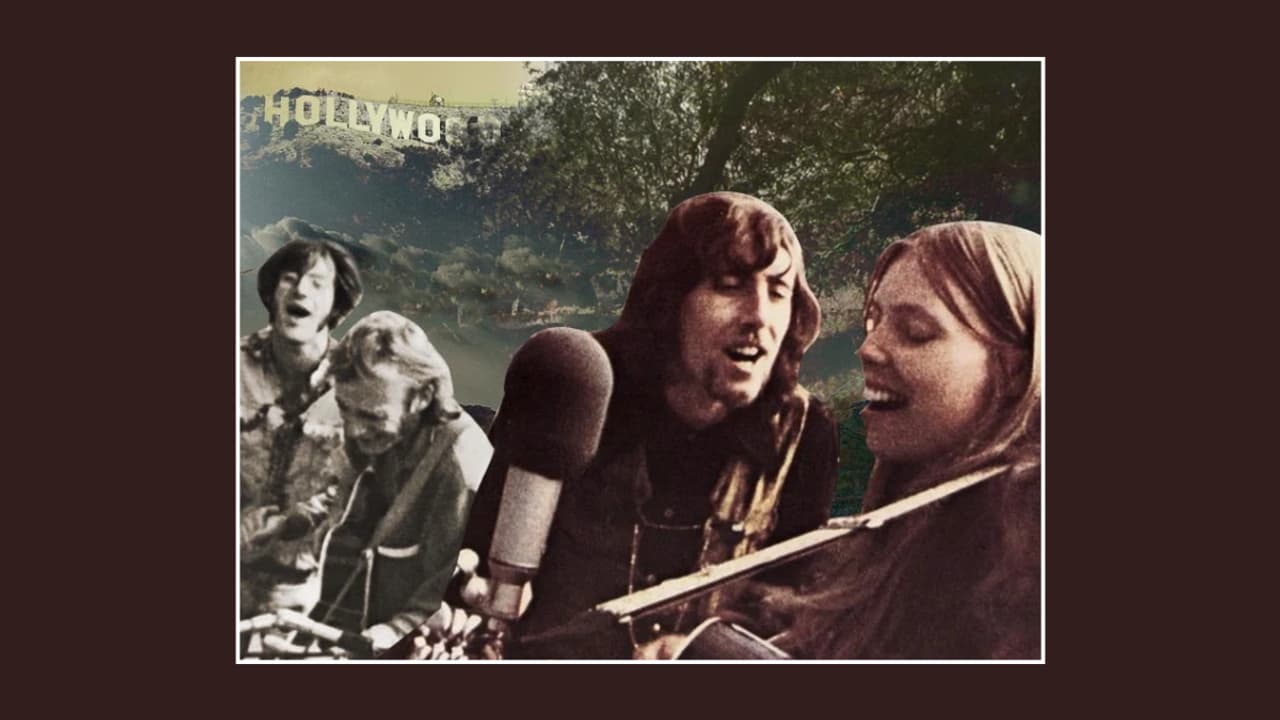
In the 1960s and 70s, the music world was revolutionized by a group of artists who emerged from the hills of Laurel Canyon. While the canyon provided a sanctuary for songwriting and collaboration, there was one venue that served as the launching pad for many of these artists: The Troubadour. Located in West Hollywood, The Troubadour wasn’t just a nightclub—it was a proving ground where future legends got their start.
The Troubadour: A Hub for Emerging Talent
Founded in 1957, The Troubadour quickly became the heart of the Los Angeles folk and rock scene. Unlike the electrified, high-energy atmosphere of the Sunset Strip’s rock clubs, The Troubadour was a more intimate space that welcomed singer-songwriters, allowing them to test their material in front of receptive audiences.
For Laurel Canyon musicians, it was the perfect venue. Many of them had been writing and jamming in their hillside homes, but The Troubadour provided the platform to take their music to the world.
Legendary Artists Who Got Their Break
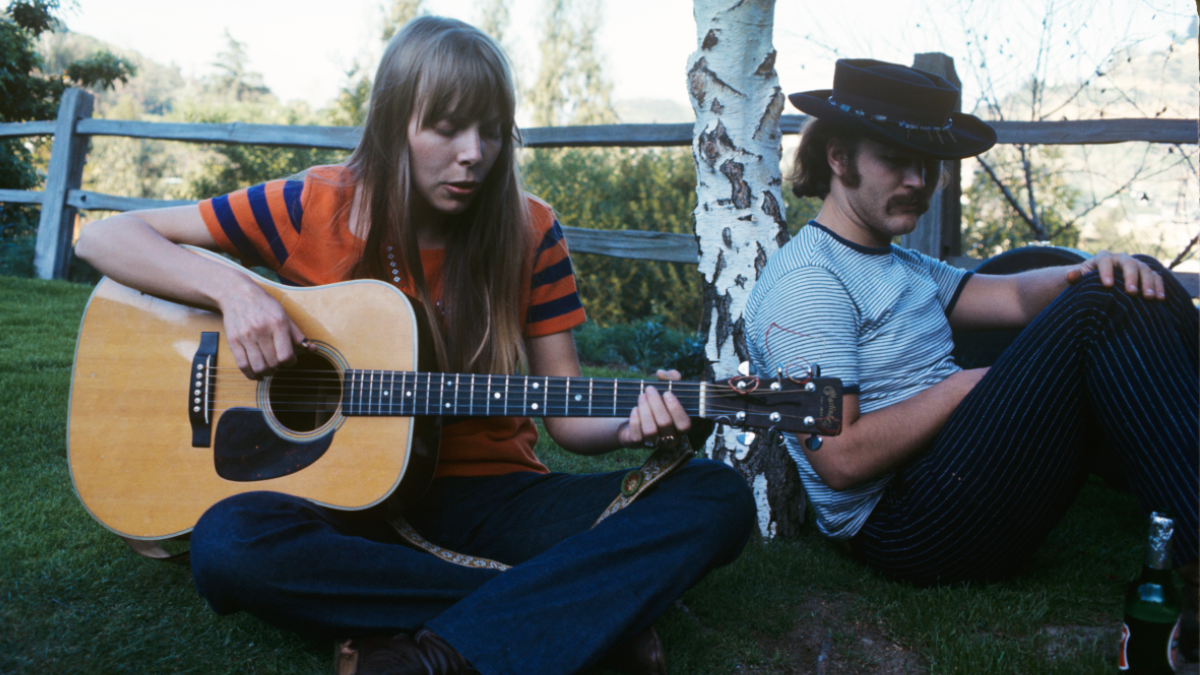
Many of the biggest names in folk rock and soft rock made their names at The Troubadour. Some of the most legendary moments include:
- Joni Mitchell – Before becoming a household name, Mitchell honed her sound here, mesmerizing audiences with her poetic lyrics and ethereal voice.
- The Byrds – Roger McGuinn and David Crosby first performed as part of The Byrds at The Troubadour, setting the stage for their massive success.
- Crosby, Stills & Nash – The venue played a crucial role in their formation, with early performances that cemented their harmonies as a defining sound of the era.
- James Taylor – Played one of his first U.S. shows at The Troubadour, catching the attention of industry insiders who propelled his career.
- Jackson Browne – A staple of The Troubadour, Browne’s heartfelt storytelling found its first real audience here.
- Elton John – Though not from Laurel Canyon, Elton John’s 1970 U.S. debut at The Troubadour was a turning point that launched him into superstardom.
The Role of The Troubadour in the Laurel Canyon Scene
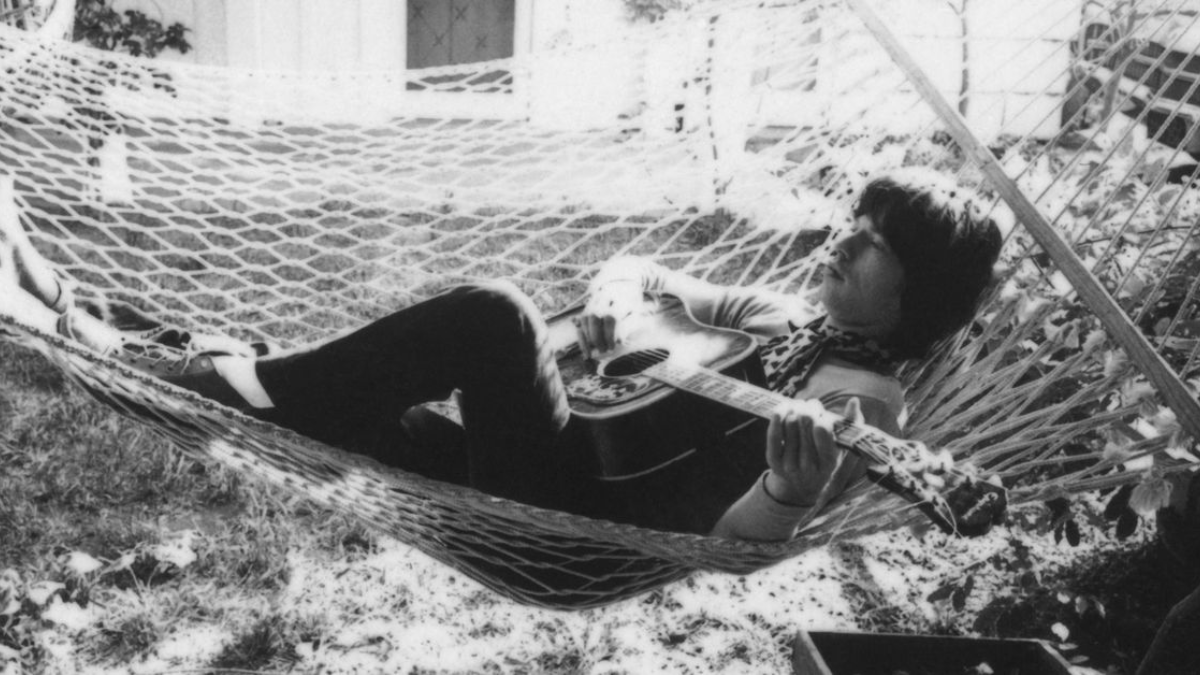
The Troubadour wasn’t just a venue—it was an industry hotbed. Record label executives, producers, and talent scouts frequented the club, looking for the next big thing. If a Laurel Canyon artist could captivate The Troubadour's audience, chances were they would land a record deal soon after.
The club also fostered artistic camaraderie. Musicians from Laurel Canyon often attended each other’s shows, leading to collaborations that shaped the sound of the era. It was common to see artists like Joni Mitchell, Graham Nash, and Jackson Browne supporting each other’s performances, deepening the connection between The Troubadour and the Laurel Canyon scene.
The Troubadour’s Lasting Legacy
The golden era of Laurel Canyon’s music scene may have faded, but The Troubadour remains a legendary institution. Today, it continues to host emerging and established artists, keeping the spirit of intimate, artist-driven music alive. Many modern singer-songwriters and folk-influenced musicians still see it as a rite of passage.
For the Laurel Canyon artists of the 1960s and 70s, The Troubadour was more than just a venue—it was a launchpad. It gave them a stage, an audience, and the industry connections needed to transform their music from hillside jam sessions to international success. Without this place, the world may never have heard some of the most iconic music of the era.
Also Read: LAN Parties and Early Fragging Culture: A Look Back at Classic Multiplayer Battles
--Silviya.Y