
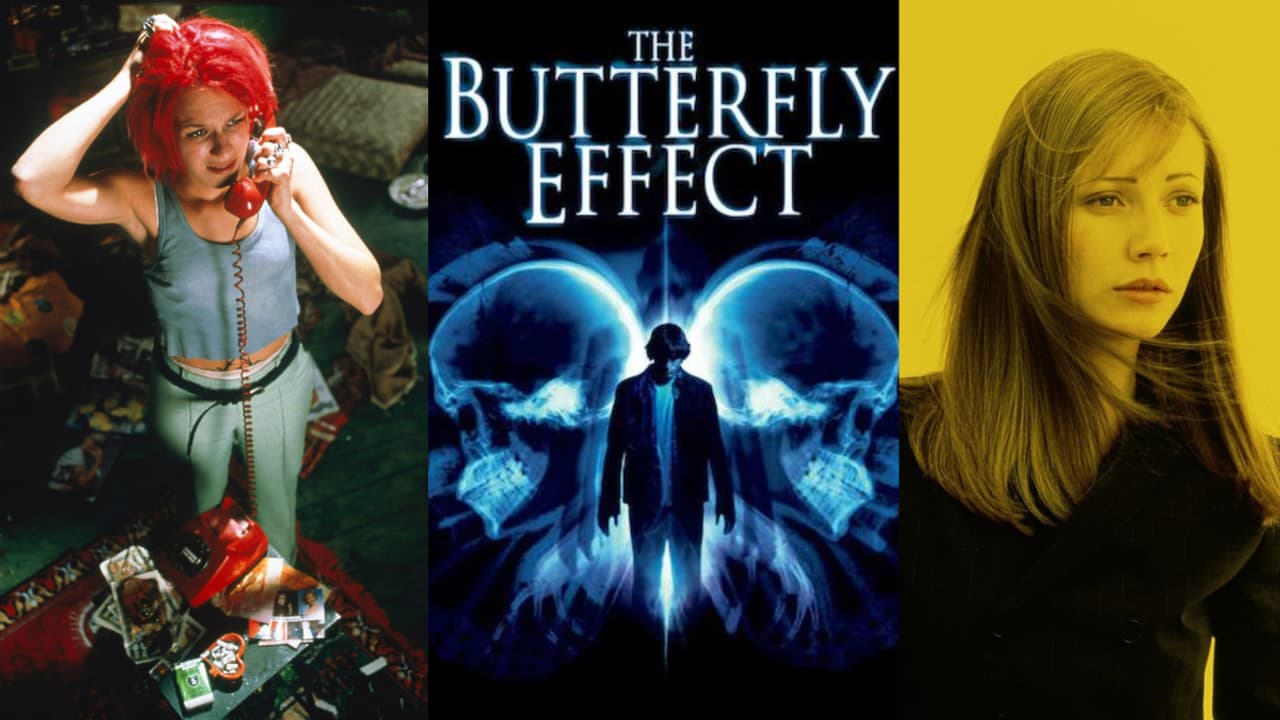
In the vast tapestry of cinematic storytelling, few concepts hold as much fascination and intrigue as the butterfly effect. Inspired by chaos theory, the butterfly effect posits that small changes can have profound and far-reaching consequences. In film, this theory has been explored and examined in a myriad of ways, captivating audiences with tales of cause and effect, destiny and the fragility of existence.
At its core, the butterfly effect suggests that the flutter of a butterfly's wings in one part of the world can, through a complex series of interactions, lead to significant changes in another. This idea serves as fertile ground for filmmakers seeking to explore the interconnectedness of events and the power of individual choices.
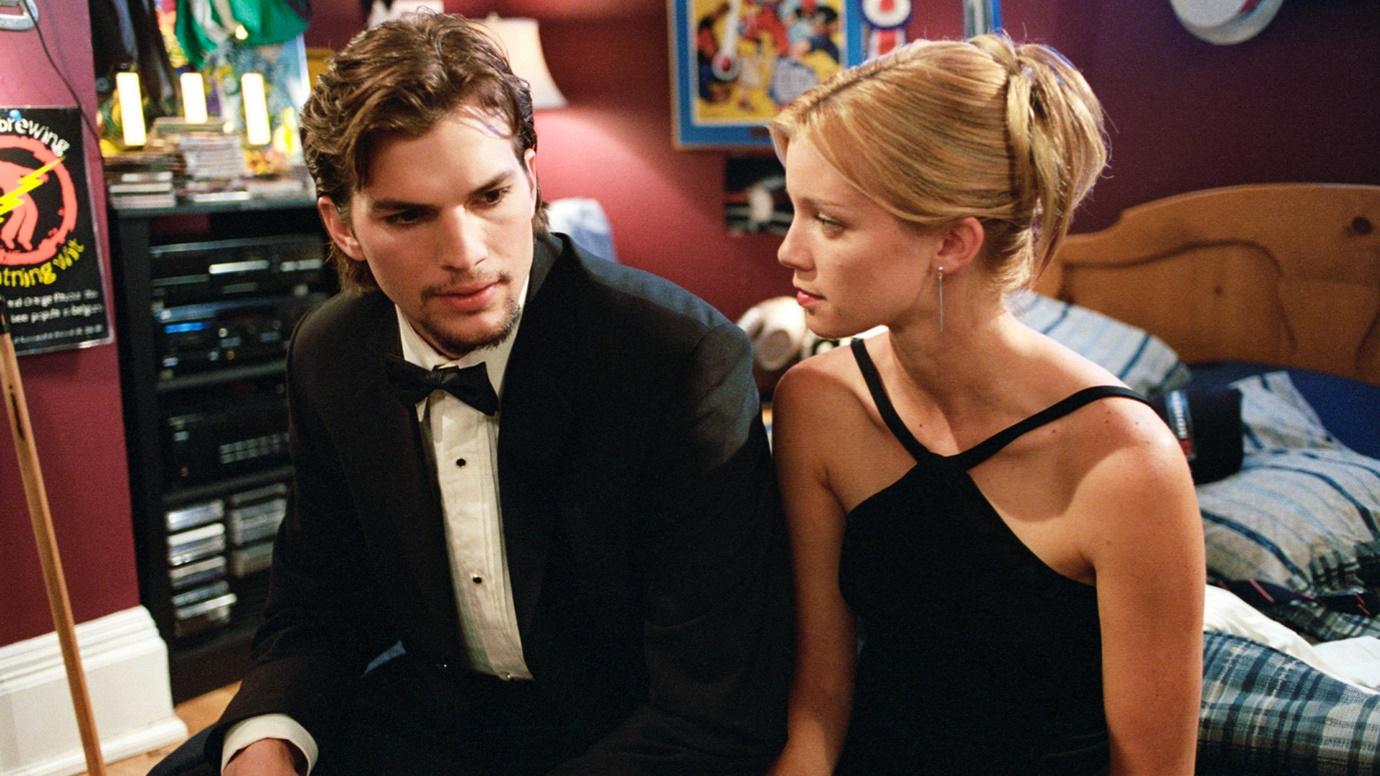
One of the most notable explorations of the butterfly effect in film comes in the form of the aptly titled ‘The Butterfly Effect’ (2004), starring Ashton Kutcher. In this mind-bending thriller, Kutcher's character possesses the ability to travel back in time and alter events from his past. However, each change he makes sets off a chain reaction of unforeseen consequences, leading to increasingly dire outcomes. Through its nonlinear narrative and exploration of alternate realities, the film delves into the moral complexities of altering the past and the inevitability of fate.
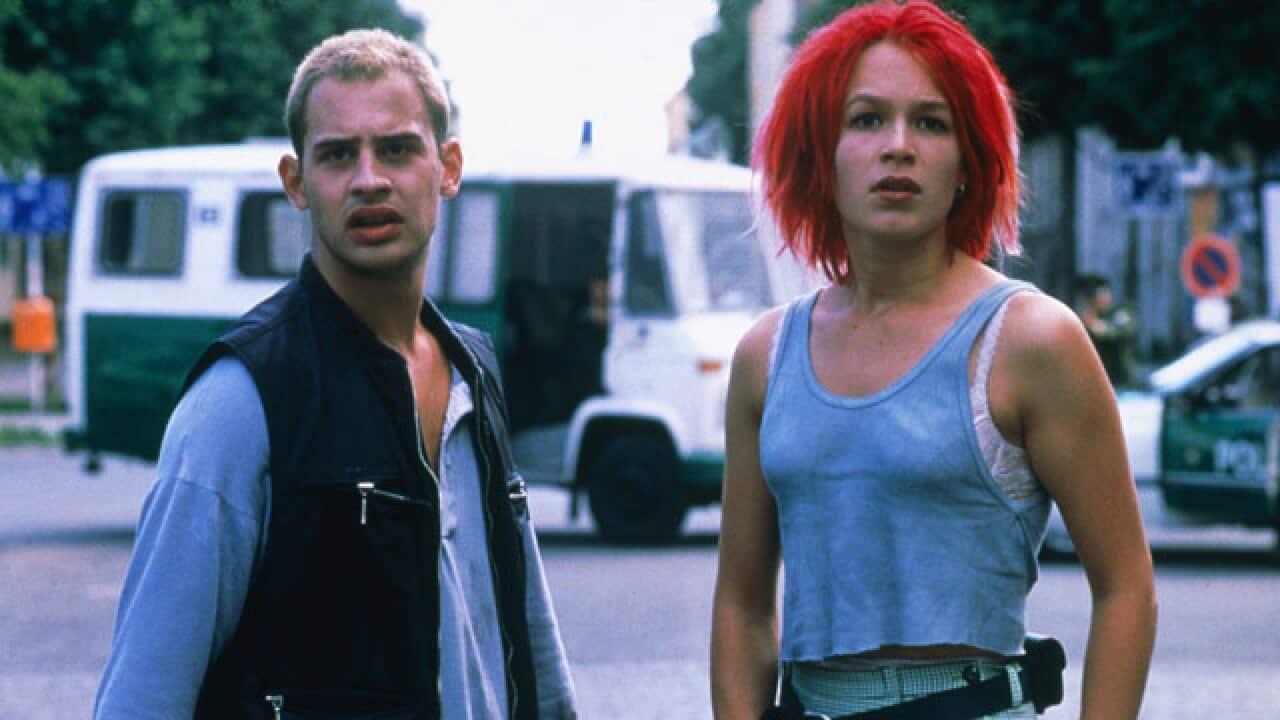
Similarly, ‘Run Lola Run’ (1998), directed by Tom Tykwer, offers a visually stunning meditation on the butterfly effect. The film follows Lola as she races against time to save her boyfriend, with each iteration of her journey resulting in vastly different outcomes. Through its rapid-fire editing and pulsating soundtrack, ‘Run Lola Run’ illustrates how even the smallest decisions can alter the course of one's life, echoing the chaos and uncertainty of existence.
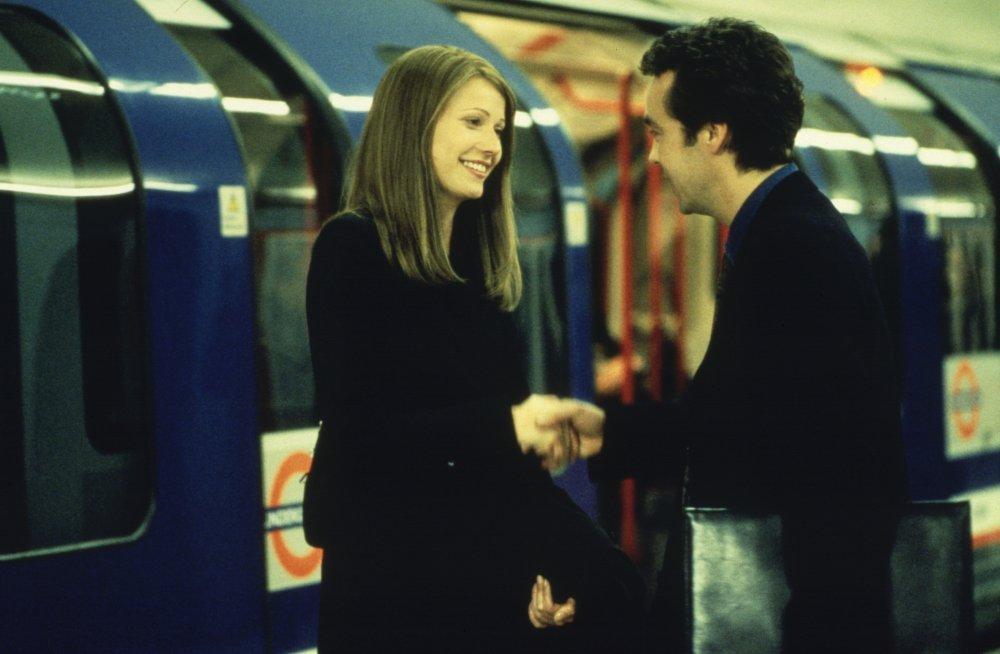
In ‘Sliding Doors’ (1998), director Peter Howitt explores the butterfly effect through a more grounded lens. The film presents parallel storylines that diverge based on whether or not the protagonist catches a specific train. As the narrative unfolds, viewers witness how seemingly insignificant moments can lead to profound shifts in relationships, careers and personal fulfillment.
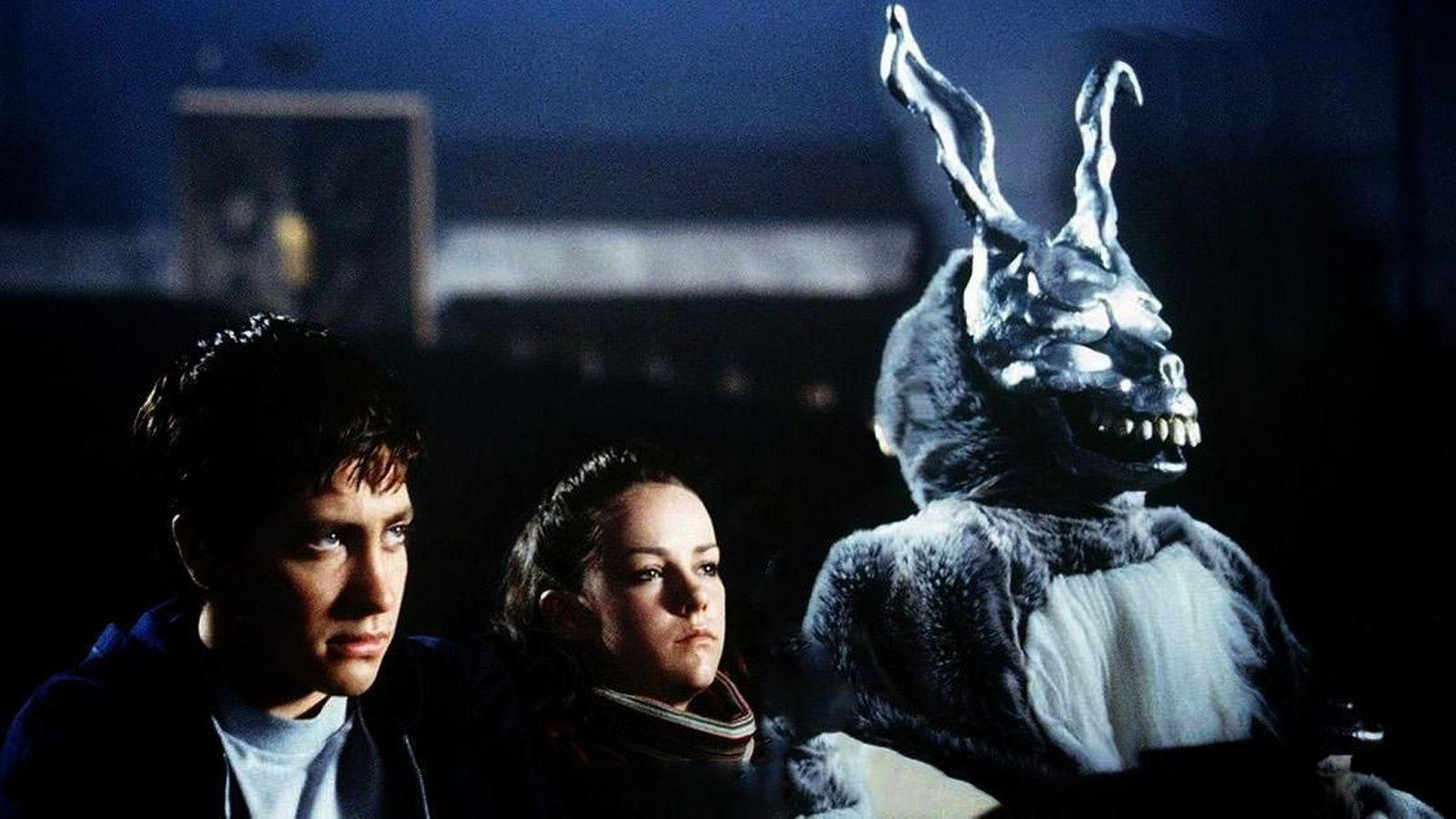
Beyond these examples, the butterfly effect has been a recurring theme in various genres, from science fiction to drama to horror. Films like ‘Back to the Future’ (1985), ‘Donnie Darko’ (2001), and ‘The Curious Case of Benjamin Button’ (2008) all touch upon the idea of cause and effect, inviting audiences to ponder the implications of their own choices and actions.
In essence, the butterfly effect serves as a powerful narrative device, allowing filmmakers to explore the intricacies of human existence and the interconnectedness of all things. Whether through time travel, parallel universes, or alternate timelines, these films offer glimpses into the profound and often unpredictable ways in which our lives intersect and influence one another. As we watch these stories unfold on screen, we are reminded of the delicate balance between chance and consequence, and the profound impact that even the smallest actions can have on the world around us.
---Silviya.Y