
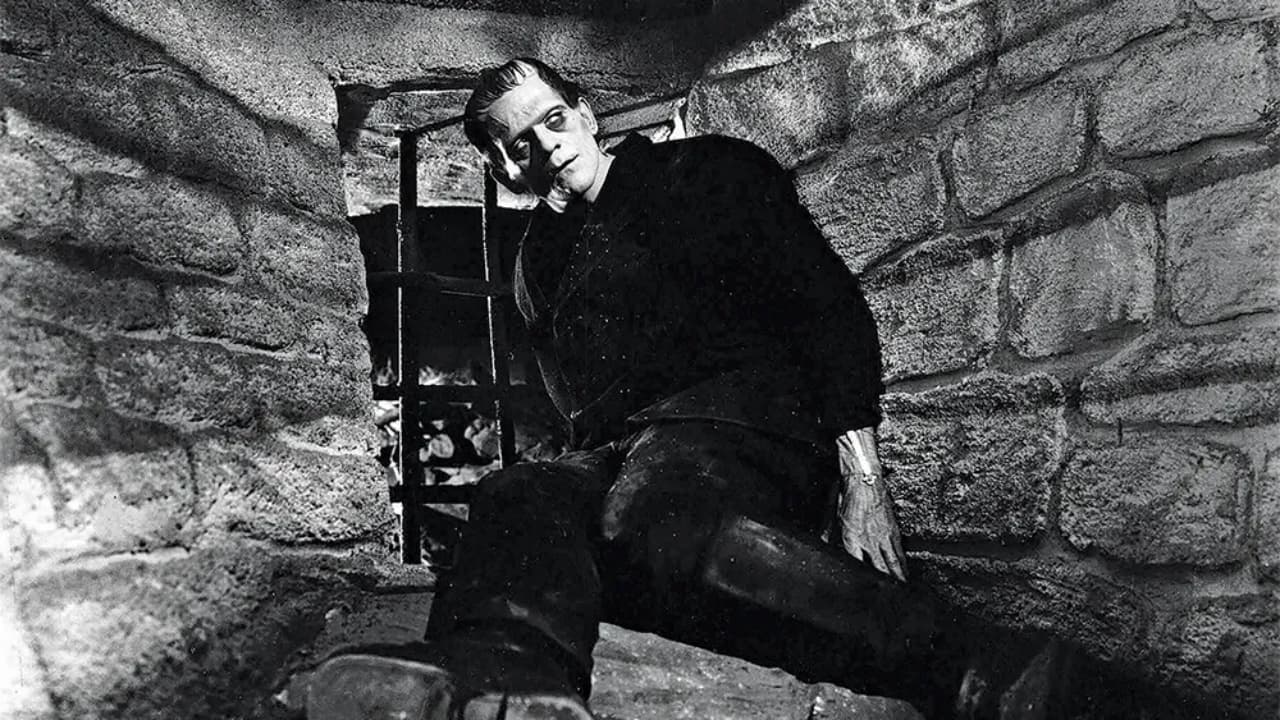
Mary Shelley’s 'Frankenstein', first published in 1818, is often celebrated as one of the earliest examples of modern horror. Its chilling tale of a scientist who creates life only to recoil in terror at his own creation has inspired countless adaptations in literature, theatre, and film. Yet, beyond the horror, Shelley’s masterpiece is equally a tragedy — a story of ambition, rejection, and the devastating consequences of human hubris.
At its core, 'Frankenstein' is undeniably a horror story. Victor Frankenstein pushes the boundaries of science by attempting to conquer death, creating a being from body parts stolen from graves. The grotesque description of the Creature's appearance and the unsettling atmosphere that permeates the novel evoke fear in readers. The murders that follow — including the deaths of Victor's loved ones — cement the book's place as a foundational gothic horror tale. The fear Shelley inspires is not just of the Creature itself but of unchecked ambition, scientific overreach, and humanity’s darkest impulses.
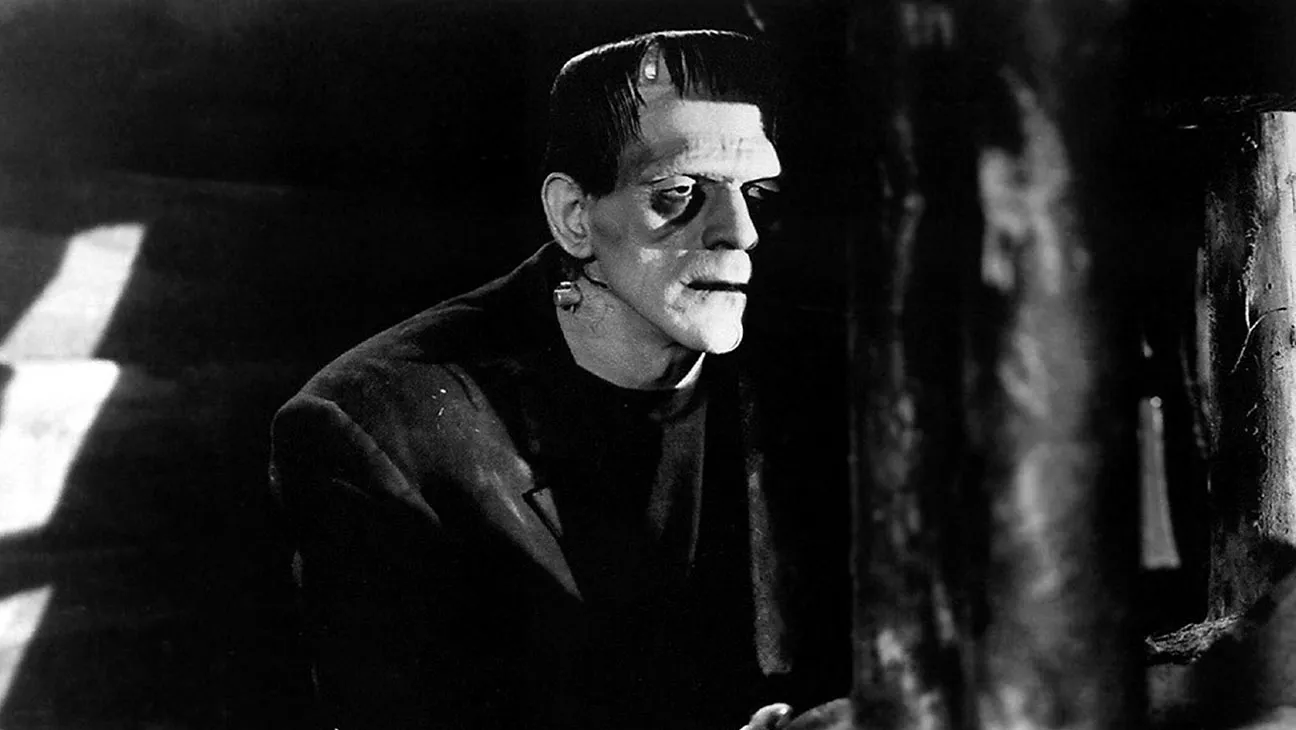
Image Courtesy: Hollywood Reporter
Tragedy in 'Frankenstein'
Yet, to reduce 'Frankenstein' to horror alone would be to miss its tragic dimension. The Creature, though terrifying in appearance, begins as innocent and eager for love. His rejection by Victor and later by society at large transforms him into a vengeful figure. This descent reflects the tragic arc of a character destroyed not by inherent evil but by neglect, loneliness, and cruelty. Like many tragic figures in literature, the Creature longs for acceptance but instead finds despair, making him a deeply sympathetic character.
Victor Frankenstein himself also embodies tragedy. His obsessive pursuit of knowledge isolates him from family, friends, and love. Even after realising the destructive consequences of his work, he remains bound to his ambition and guilt, unable to undo the suffering he has unleashed. His downfall comes not from fate alone but from the flaws in his own character — hubris, obsession, and a refusal to take responsibility.
Also Read: https://indigomusic.com/feature/why-se7en-defined-the-90s-crime-thriller-genre-9682947
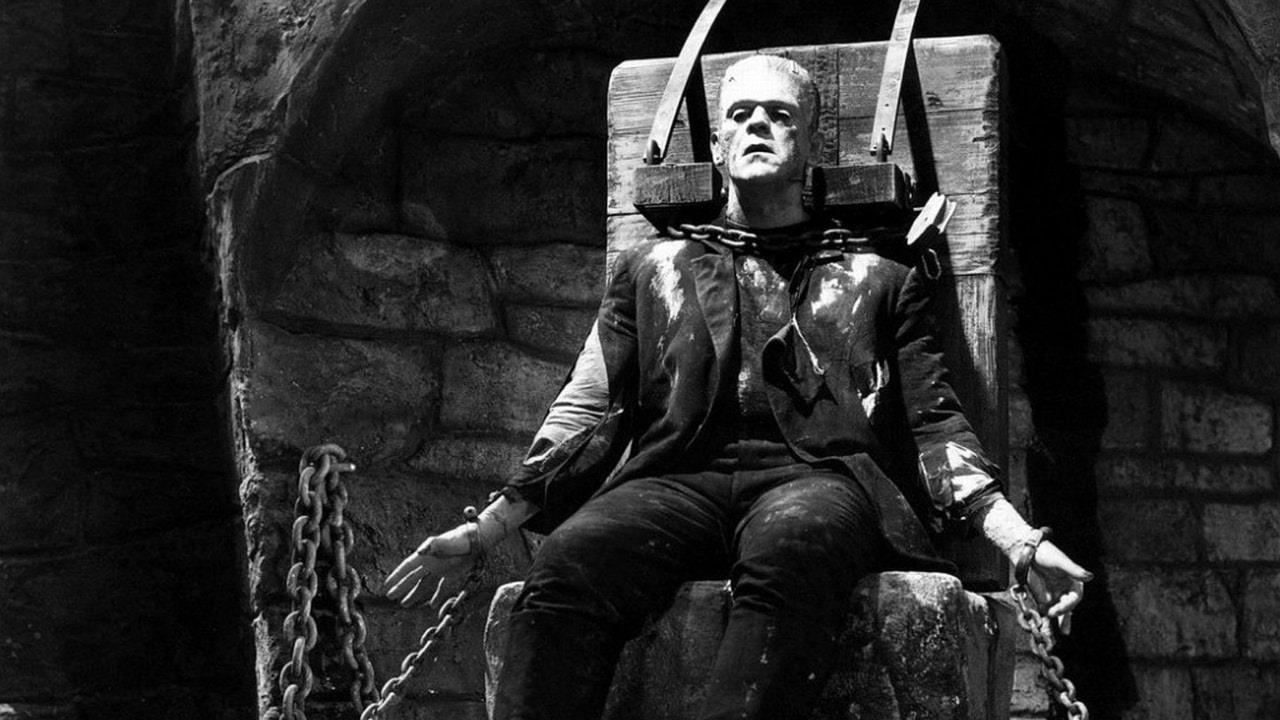
Image Courtesy: MUBI
This duality is why 'Frankenstein' endures more than two centuries after its publication. It frightens readers with its gothic imagery and gruesome events, but it also moves them with its themes of alienation, grief, and the human desire for connection. In this sense, Shelley’s novel is both horror and tragedy: a story that terrifies while also breaking the heart.
By blending fear with empathy, Mary Shelley created more than just a monster story — she crafted a timeless meditation on ambition, responsibility, and what it truly means to be human.