
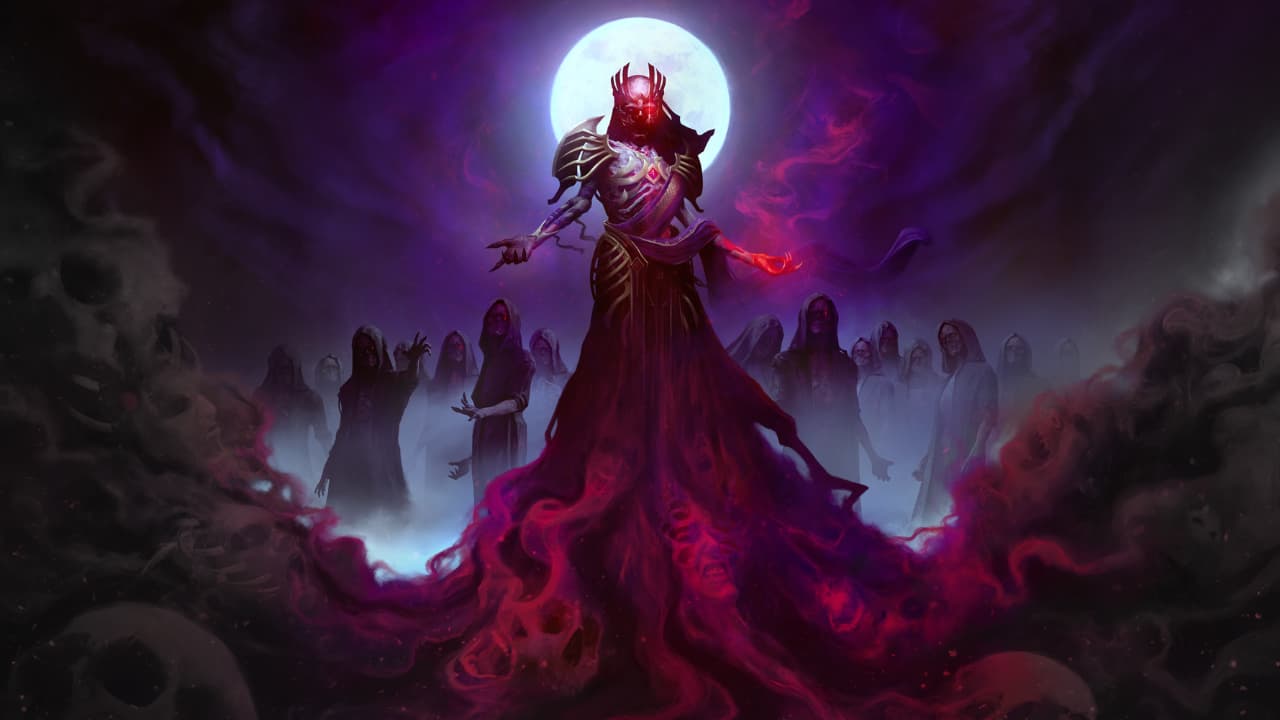
Monster-based storytelling is experiencing a powerful resurgence in the era of streaming, and platforms like Netflix and other OTTs are at the centre of this renewed fascination. What was once considered a niche subgenre has now evolved into one of the most popular forms of entertainment, appealing to both casual viewers and hardcore fans.
This comeback is driven by a combination of cultural, psychological, and technological factors that make monsters more relevant than ever.
Why Moster-Based Stories Are Thriving?
One of the biggest reasons monster stories are thriving again is the universal appeal of fear—and the safe thrill that comes with it. In a world where real-life anxieties are constantly present, viewers often turn to fictional fears as a form of escapism. Monsters provide a controlled environment where audiences can confront the unknown, explore their deepest anxieties, and emerge unscathed.
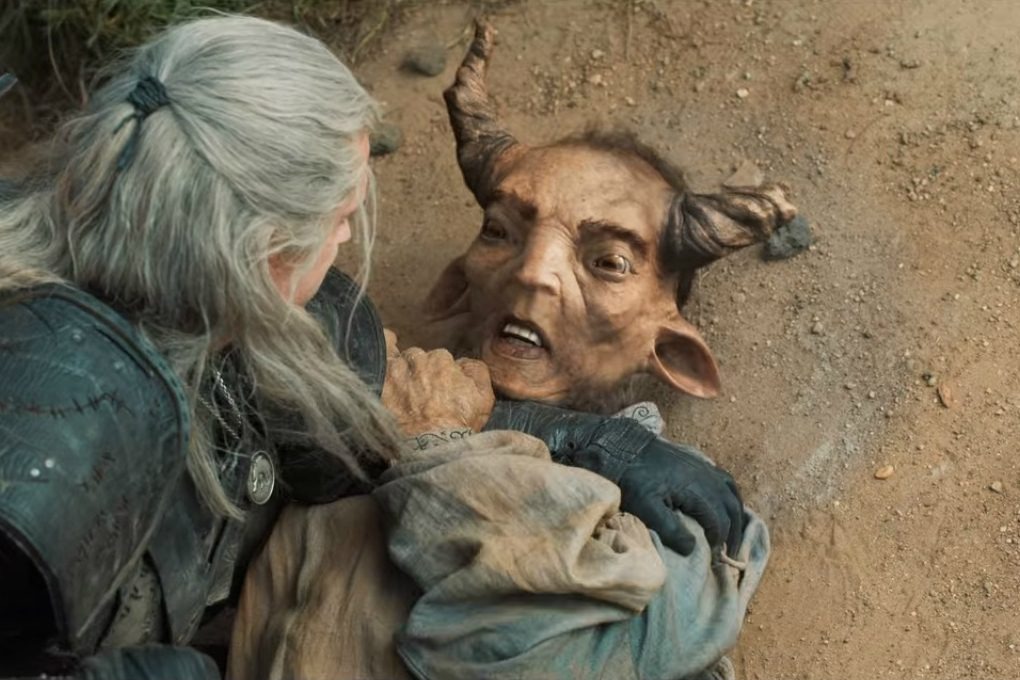
Image Courtesy: Radio Times
Creatures like those in 'Stranger Things,' 'Sweet Home,' or 'The Witcher' reflect the collective unease of our time, whether those fears stem from societal change, technological advancement, or global uncertainty.
Streaming platforms have also transformed how monster stories are told. The long-form format allows deeper character development and more nuanced world-building than traditional films or episodic TV could offer. Shows can explore not just what monsters look like, but what they represent. Many modern monster narratives are symbolic, tapping into themes like identity, trauma, and moral ambiguity.
For instance, mutated creatures in certain series often symbolise internal struggles or cultural pressures, giving depth to what once were simple "scare tactics."
How is Monster-Based storytelling Possible Visually?
Technological advancements play a major role, too. Today's CGI, practical effects, and creature design are more immersive and sophisticated than ever before. Streaming budgets rival those of blockbuster films, allowing creators to bring complex, terrifying, and visually stunning monsters to life. These high-quality visuals attract viewers who crave both spectacle and storytelling.
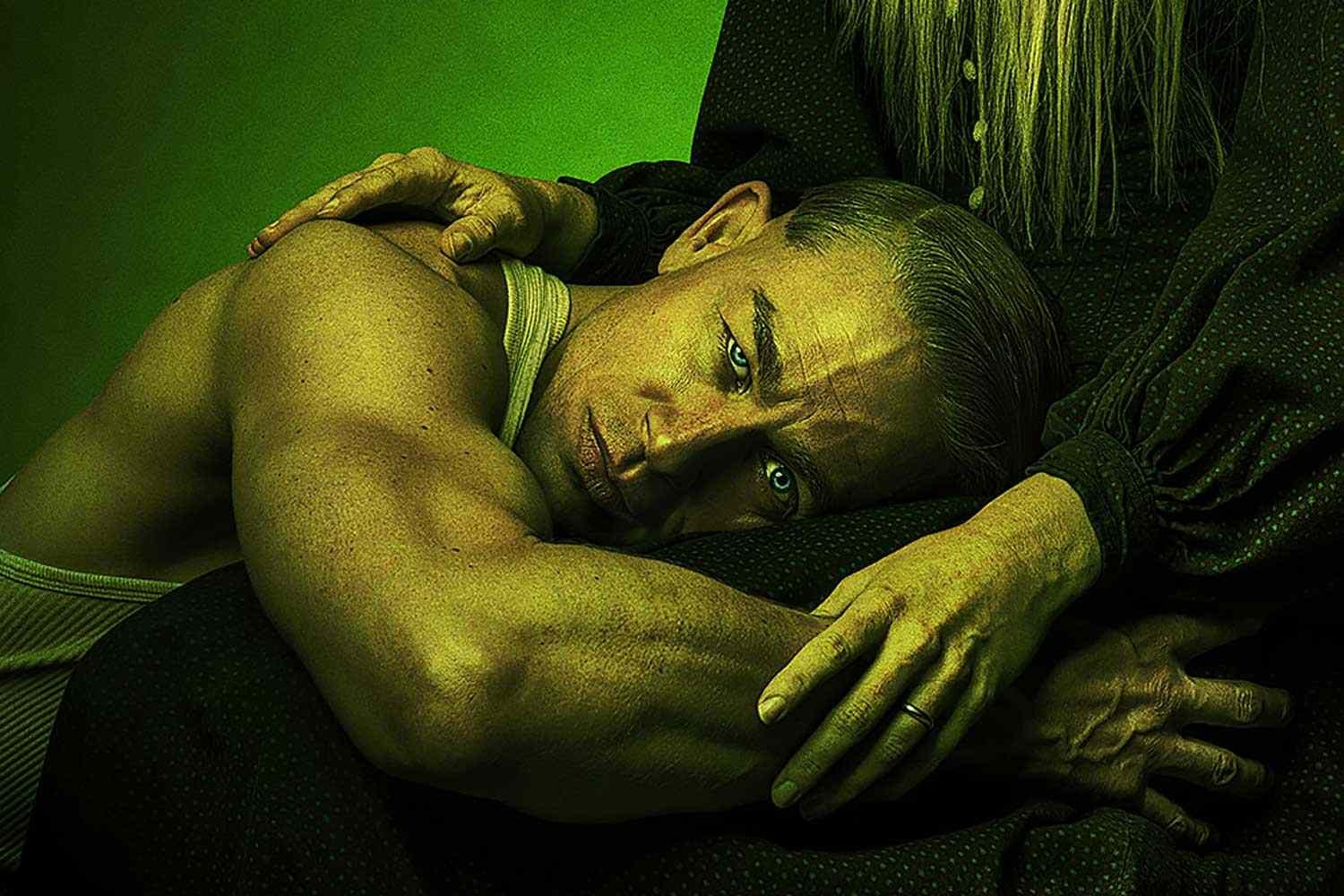
Image Courtesy: IMDb
Another key factor in the comeback is the growing interest in global folklore and mythology. Streaming platforms provide instant access to international storytelling traditions, allowing viewers to explore monsters from Korean, Latin American, European, and Indigenous cultures. This diversity keeps the genre fresh, introducing new creatures, lore, and narrative styles that broaden the appeal of monster-based entertainment.
Ultimately, monster stories are thriving today because they offer something deeply human. They tap into fear, curiosity, and imagination while reflecting the anxieties and hopes of society. As long as audiences continue seeking stories that challenge, thrill, and resonate, monster-based storytelling will remain a powerful force in the streaming world.
Also Read: https://indigomusic.com/feature/why-crimson-peak-is-a-modern-gothic-masterpiece-10872796