
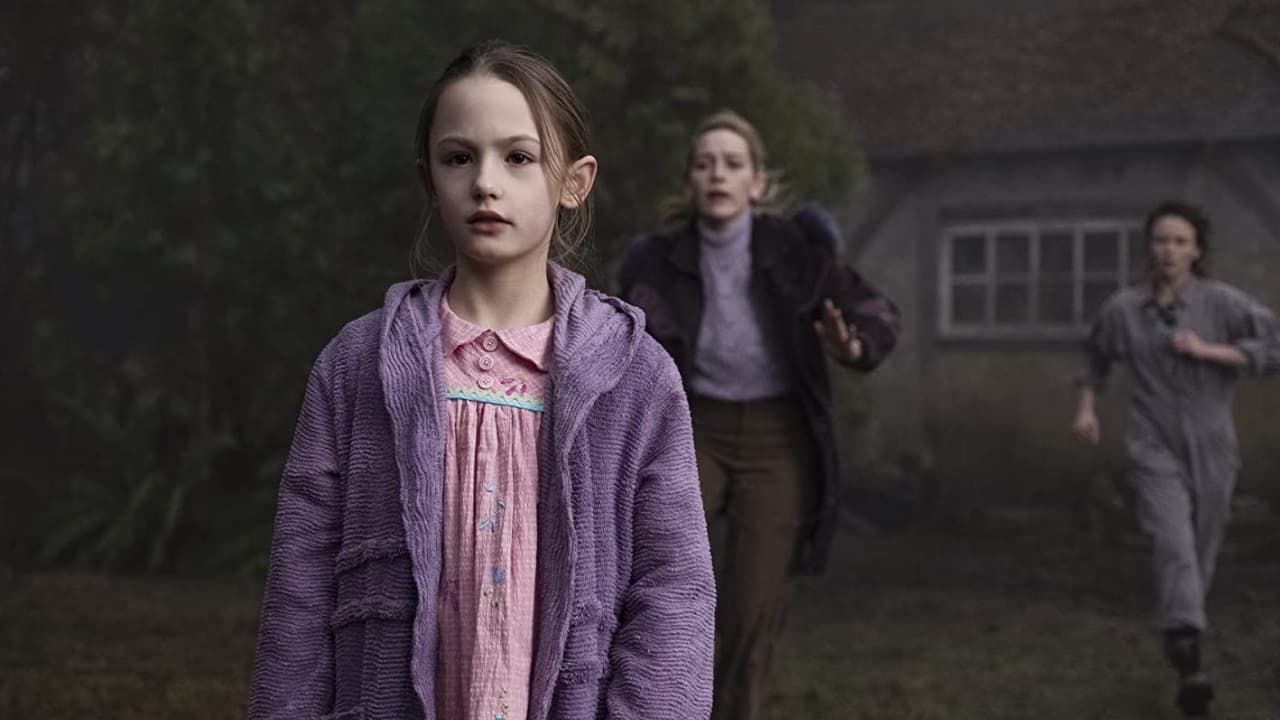
'The Haunting of Bly Manor' arrived on Netflix with the expectation of delivering the same chilling terror that made 'The Haunting of Hill House' a horror landmark. Instead, viewers found themselves swept into something different—less of a ghost story and more of a deeply emotional Gothic romance.
While 'The Haunting of Bly Manor' certainly contains supernatural moments, its true power lies not in jump scares or nightmares, but in the way it explores love, grief, and the lingering pain of memory. This shift in focus is precisely what makes the series more heartbreaking than frightening.
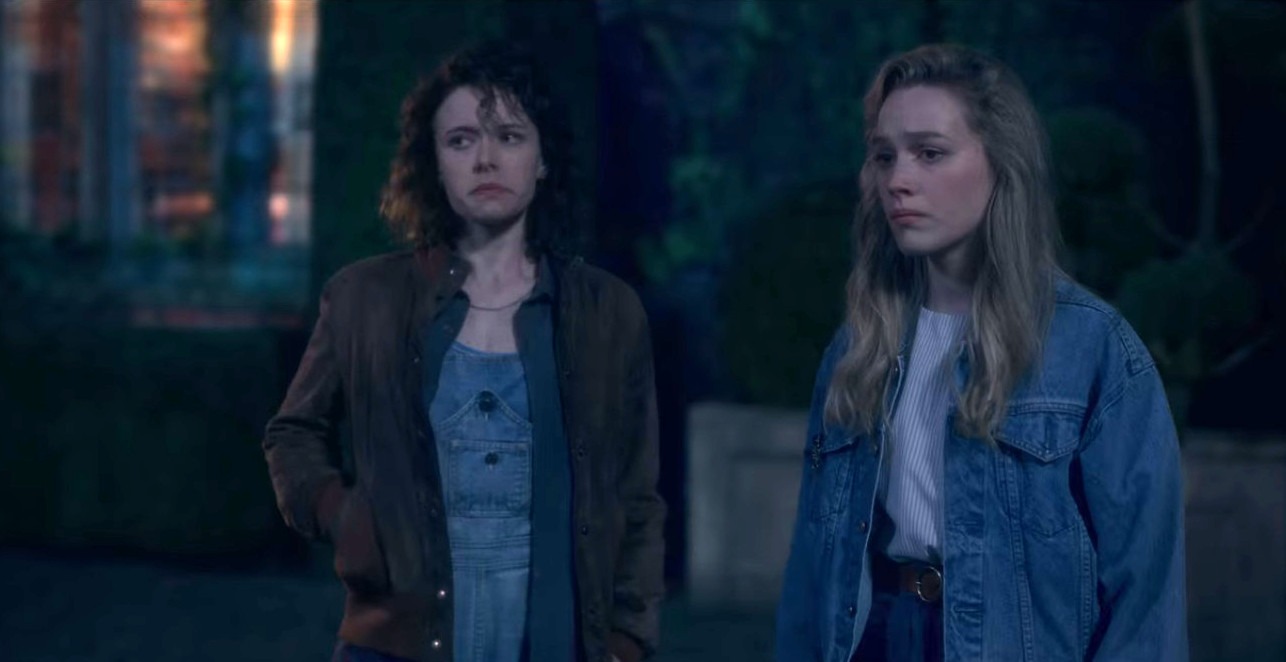
Image Courtesy: IMDb
'The Haunting of Bly Manor' Emotional Take
At its core, Bly Manor is a story about the emotional "ghosts" people carry. Rather than using spirits as simple horror devices, the series frames them as manifestations of trauma, unfinished business, and the gradual erosion of identity. Characters like Hannah Grose and Peter Quint become trapped not only in Bly’s halls but also in loops of their own memories—a symbolic depiction of how grief and guilt can imprison a person long after their life has changed or ended. Watching them struggle with fading recollections or reliving their worst moments gives the series a sorrowful, human weight that standard horror rarely offers.
The emotional devastation reaches its peak through the love story between Dani Clayton and Jamie Taylor. Their relationship begins as a gentle connection born in the midst of chaos and eventually becomes the heart of the entire narrative.
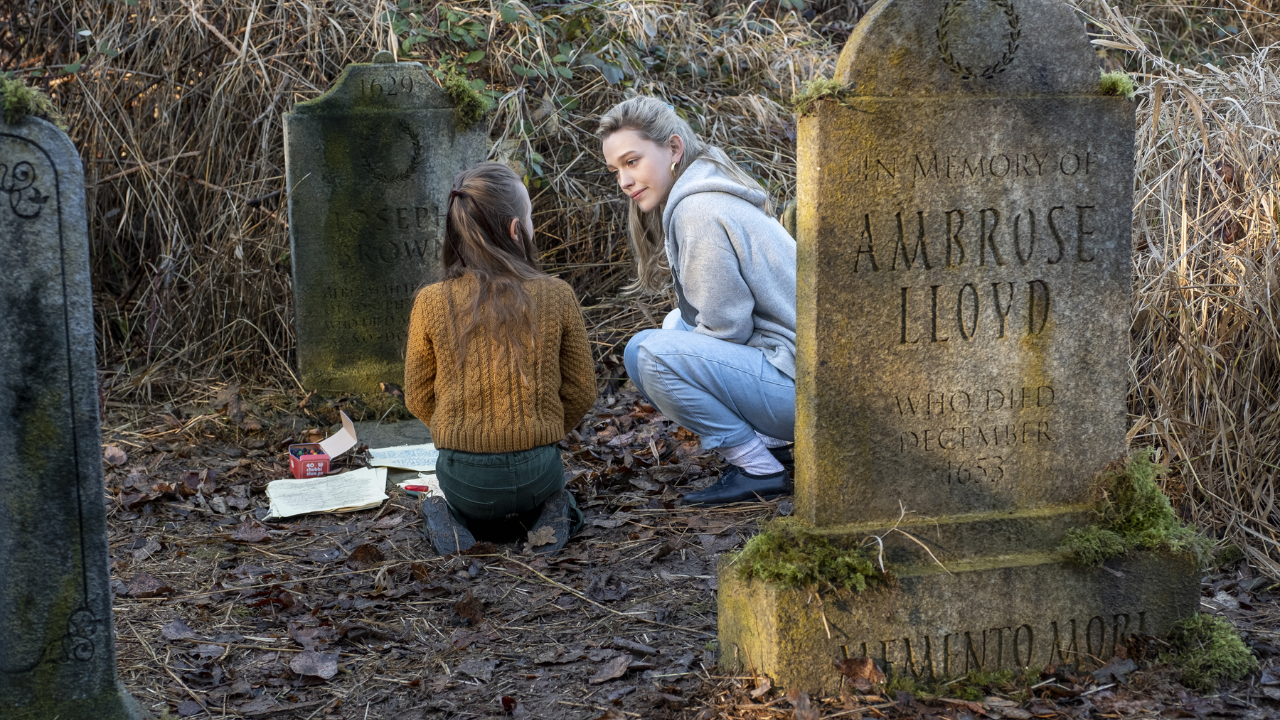
Image Courtesy: IMDb
Instead of relying on terror to drive the plot, 'The Haunting of Bly Manor' centres on the vulnerability and hope embedded in their growing bond. Dani's final sacrifice—choosing to offer herself to the Lady in the Lake to save the children and the people she loves—creates an ending not rooted in fear, but in profound selflessness. Jamie's lifelong grief, shown in quiet scenes of ritual and remembrance, transforms the finale into a meditation on devotion and loss.
Also Read: https://indigomusic.com/feature/how-message-in-a-bottle-portrays-grief-and-moving-on-10807569
'The Haunting of Bly Manor' Monster
The show also reimagines the "monster" of the story. Viola Willoughby, the Lady in the Lake, is terrifying in form, but her origin story is filled with desperation, betrayal, and a refusal to let go of the life stolen from her. Instead of depicting evil for shock value, 'The Haunting of Bly Manor' highlights how overwhelming grief can warp a person into something unrecognisable. It's tragic rather than terrifying.
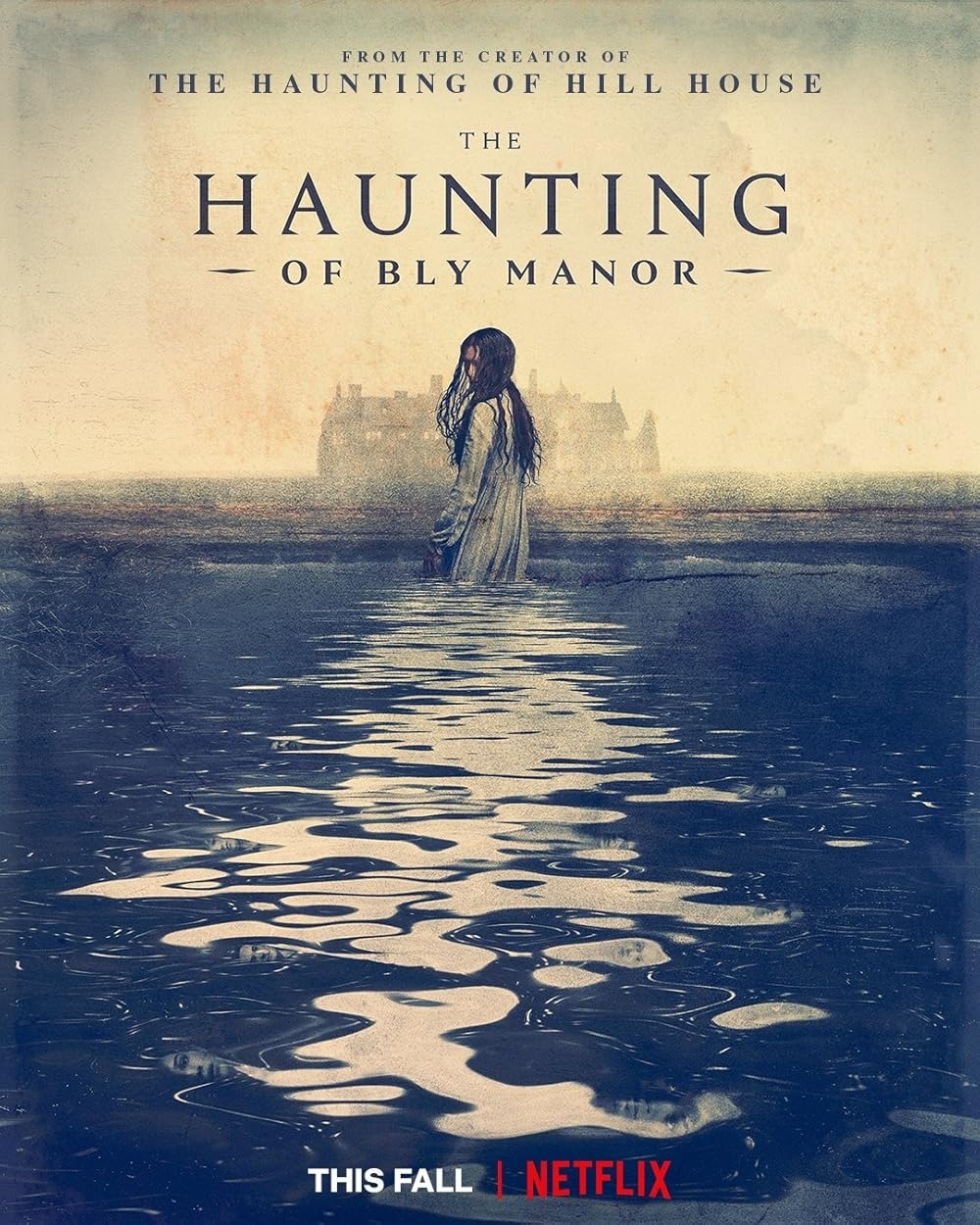
Image Courtesy: IMDb
By blending Gothic romance with emotional depth, 'The Haunting of Bly Manor' prioritises heartbreak over horror. Its ghosts do not lurk to frighten—they linger because they loved, suffered, and couldn't move on. That lingering sorrow stays with the viewer long after the final episode, making Bly Manor a story that haunts the heart far more than the imagination.