
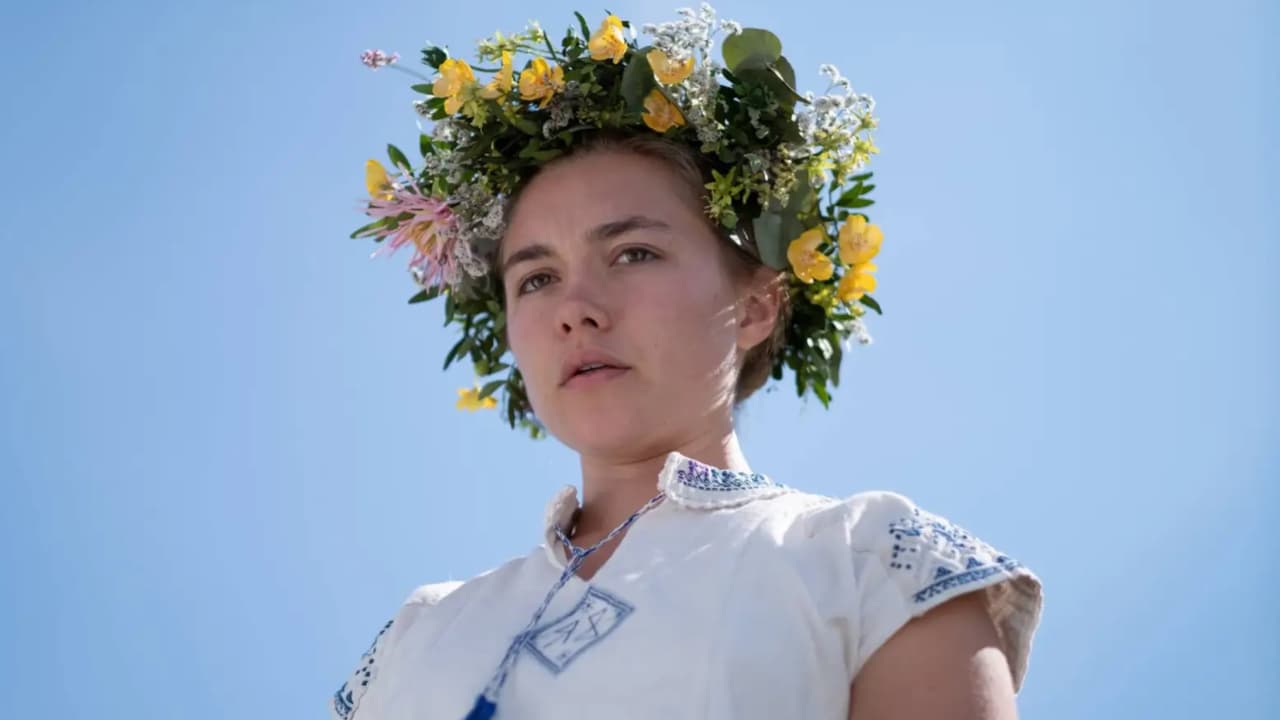
zAcclaimed British actor Florence Pugh, known for her emotionally charged performances and fearless dedication to her craft, has revealed that her breakout role in the psychological-horror 'Midsommar' left her struggling with depression for six months after filming wrapped. In a recent interview, the Oscar-nominated actor, who has since emerged as one of Hollywood's most sought-after talents, stated that playing Dani, a character driven by sadness, grief, and psychological breakdown, had a significant impact on her mental health.
Pugh described the shoot as both career-defining and emotionally devastating, admitting she "abused" her own psyche to capture Dani's anguish authentically. While 'Midsommar' established her as a powerhouse performer, it also became a turning point in her career, leading her to promise that she would never again take on a role that endangers her mental health.
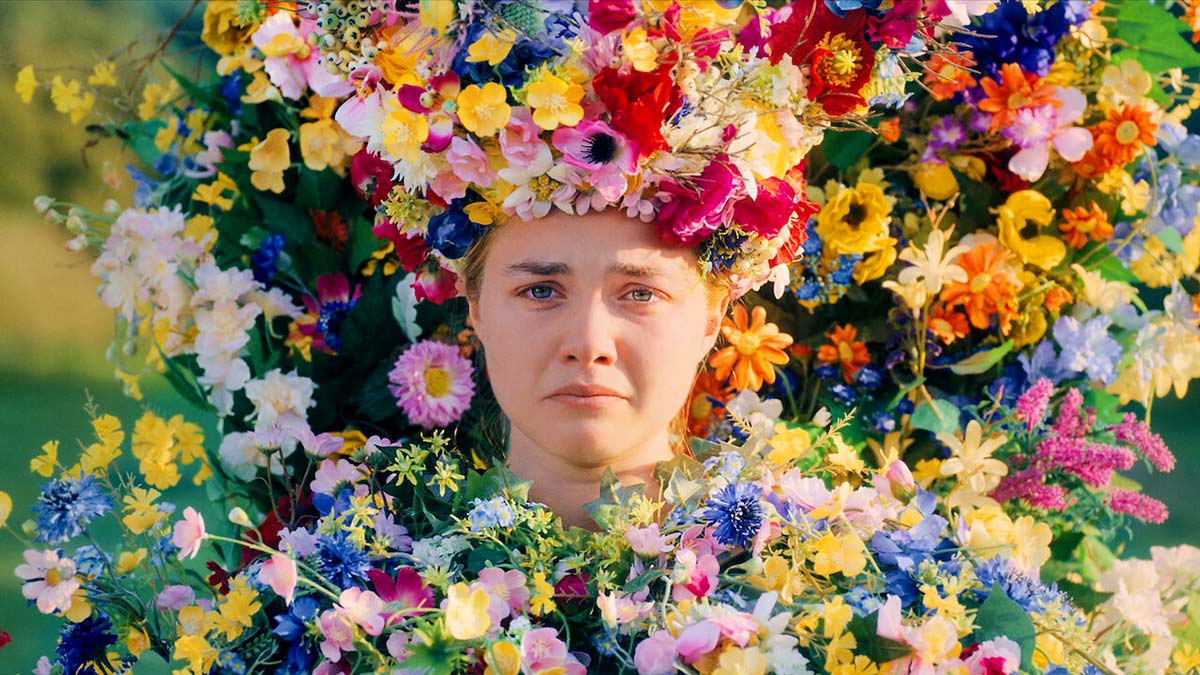
Image Courtesy: The Playlist
The Role That Defined and Drained Her
Released in 2019 and directed by Ari Aster, 'Midsommar' follows Dani, a young woman reeling from the sudden loss of her entire family, who accompanies her boyfriend and his friends to a midsummer festival in rural Sweden—only to discover that the community practices and hides disturbing, cult-like rituals. Florence Pugh's portrayal of Dani earned her universal acclaim, with critics praising her raw vulnerability and haunting emotional depth. The film has since become a contemporary horror classic after grossing over $47 million worldwide.
But Pugh has now disclosed that there was a significant personal cost associated with getting to Dani's mental condition. "I was imagining the worst things possible—losing my family, my friends, my sense of safety," she remarked, recalling the months of escalating sadness and despair. After filming concluded, Pugh immediately began work on 'Little Women,' but she admitted that she never fully processed what she had endured.
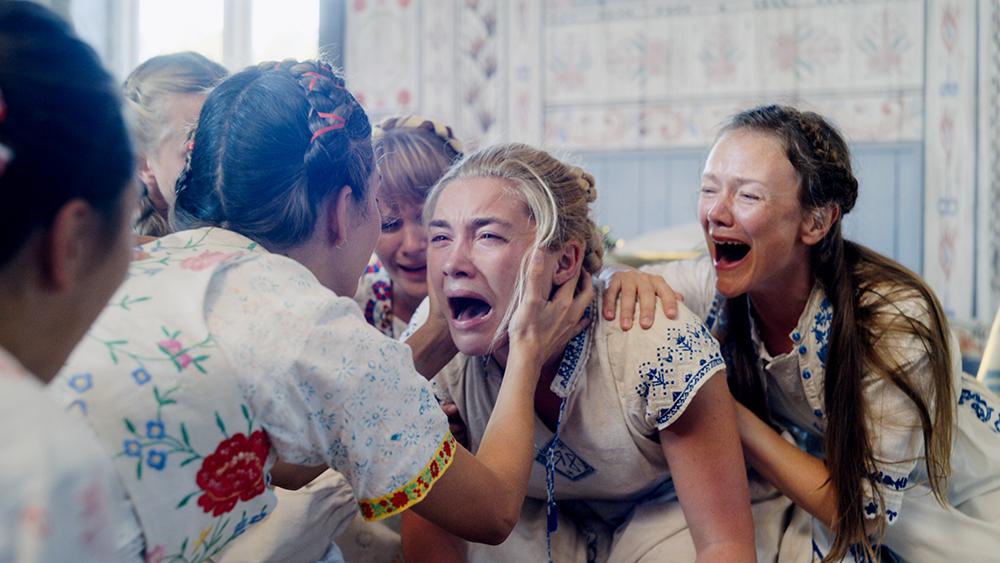
Image Courtesy: Variety
She didn't realize the full impact of the experience until she went back home for the holidays, which left her feeling emotionally spent and unhappy for over six months. She added that the intensity of 'Midsommar' made it difficult for her to separate herself from Dani's ongoing pain and suffering, making it difficult to distinguish between performance and reality.
Setting Boundaries: Choosing Mental Health Beyond the Craft
In retrospect, 'Midsommar' taught Florence Pugh one of the most important lessons of her career: the need to protect her emotional well-being. The actor has since vowed not to take on roles that demand that kind of psychological self-punishment again. "There are certain parts where you can give so much that you break yourself in the process—and I don't want to do that anymore," she explained. For Pugh, who has long been praised for her unwavering dedication to difficult performances, this new self-awareness has marked a significant turning point.
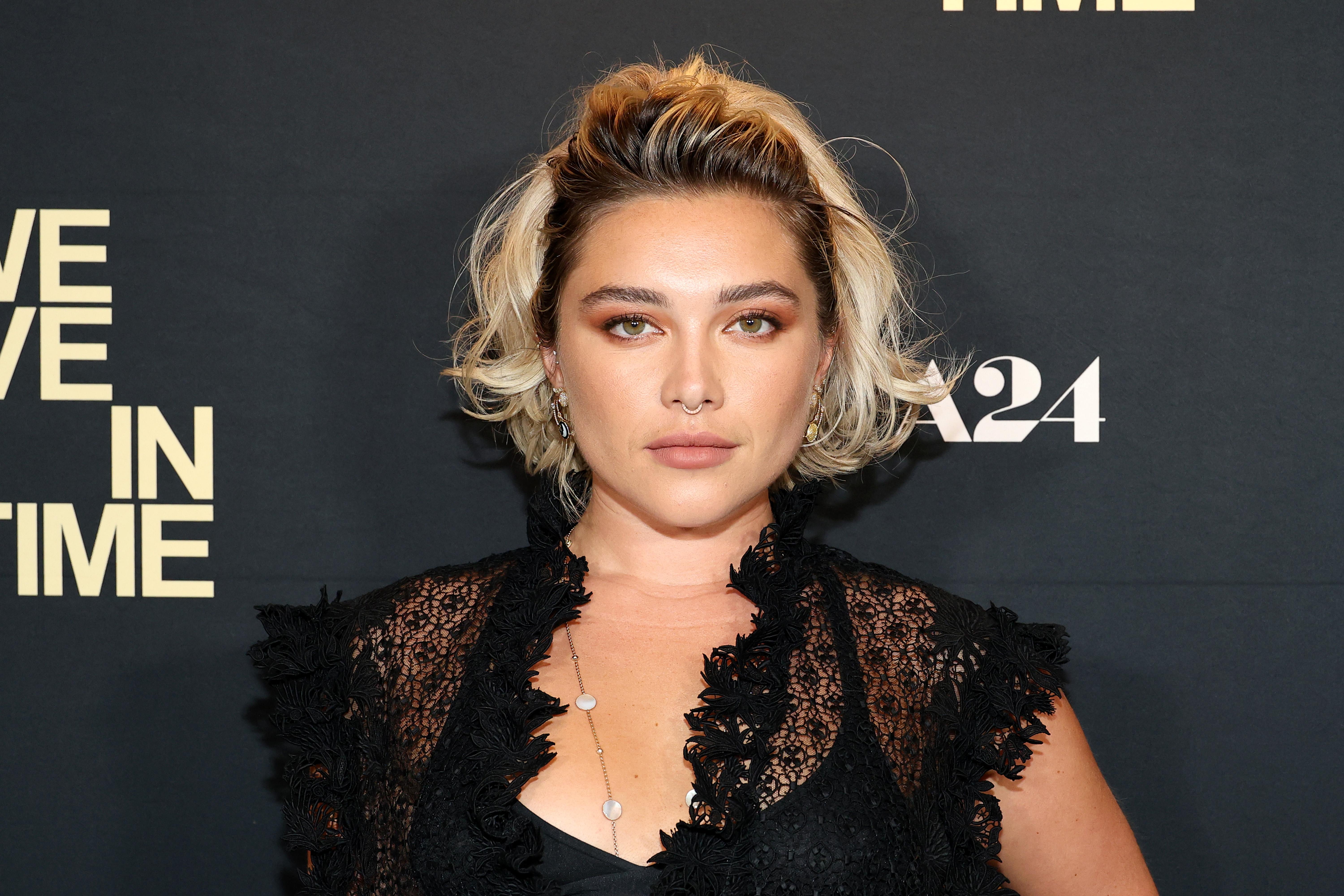
Image Courtesy: Variety
From taking up emotionally-driven roles as 'Lady Macbeth' and 'The Wonder' to embracing large-scale blockbusters, like 'Black Widow' and 'Dune: Part Two,' Pugh has proved her fearless commitment to challenging roles. Her choice is in line with an increasing trend among actors to put mental health first in a field that often glorifies suffering for art.
Today, Pugh is more selective about her projects, and focuses on roles that allow her to grow without self-destructing. She continues to balance big-budget hits with emotionally resonant independent films, proving that strength in acting doesn't always mean enduring pain. In sharing her experience, Pugh has not only shed light on the hidden toll of method acting but has also served as a model for others, demonstrating that it is possible to deliver powerful performances without sacrificing one's own mental health.