
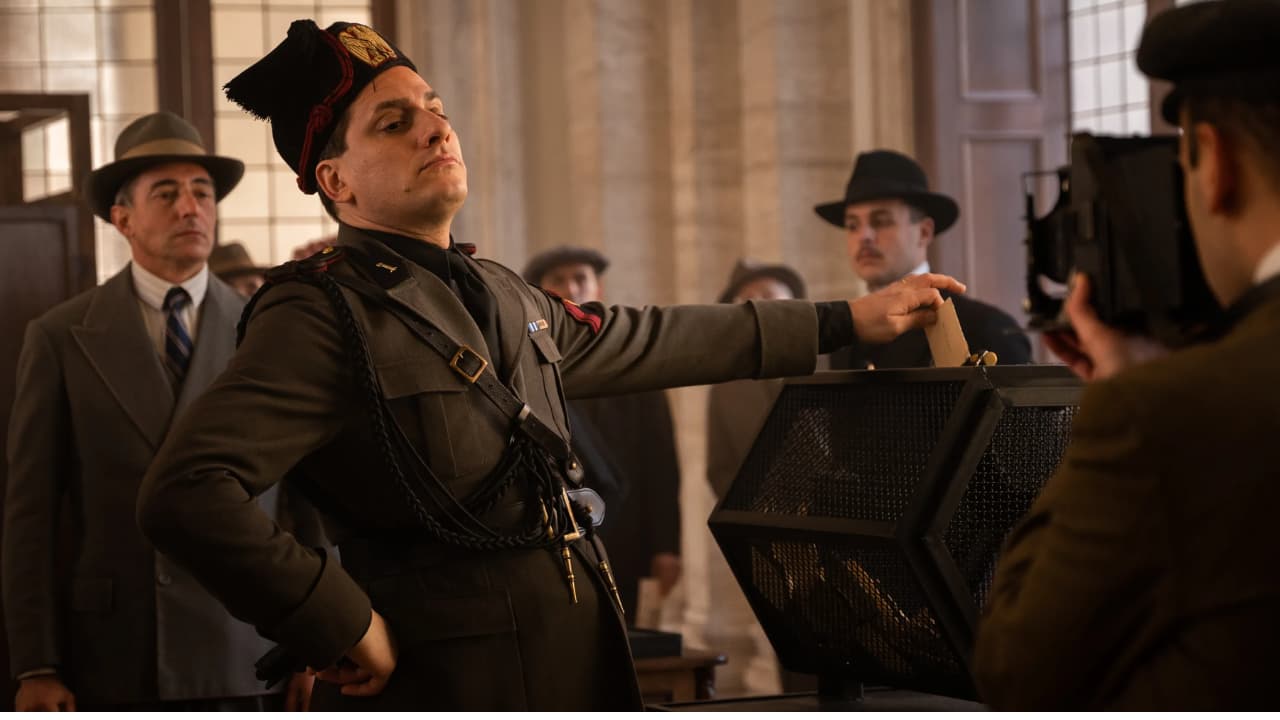
The eight-episode drama 'Mussolini: Son of the Century' was the result of a strong desire to comprehend the causes and perils of fascism, according to director Joe Wright in a recent interview. He aims to disturb audiences and provoke critical engagement with authoritarianism by employing inventive approaches, such as fourth-wall involvement and a techno-charged futurism style.
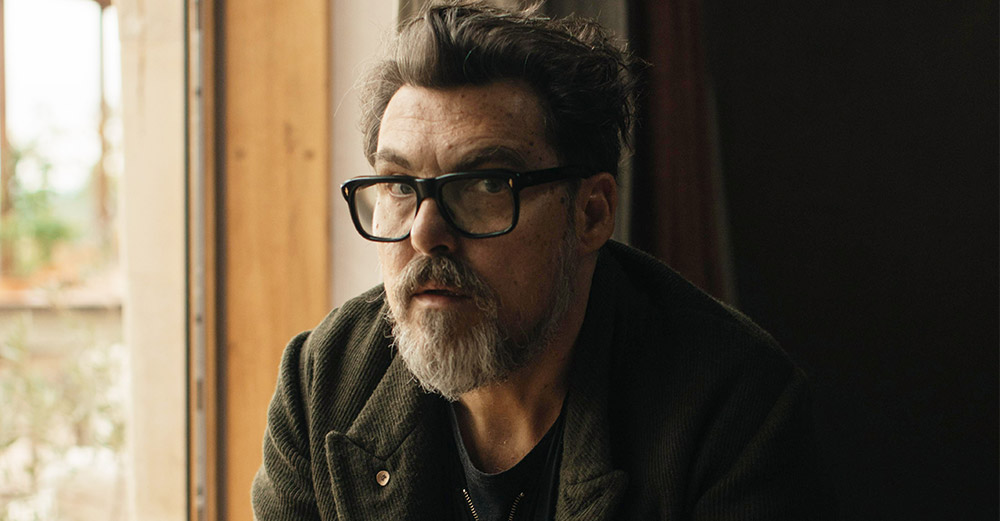
Image Courtesy: The Talks
From 'Darkest Hour' to 'Pride & Prejudice,' Joe Wright has established a reputation for creating compelling historical fictions. However, he takes a risk in 'Mussolini: Son of the Century,' a direct and pressing examination of the emergence of fascism. Wright reveals in an exclusive interview with Hindustan Times that the initiative was inspired by a conviction to address the foundations of an ideology that continues to plague our world, rather than just curiosity.
Understanding the Word, Unpacking the Threat
Wright openly considers how, in his early years, the word "fascism" was used indiscriminatel—"the police were fascists, the school teachers were fascists"—without anyone really knowing what it meant. Something significant was prompted by that memory, particularly in light of the current global growth of far-right populist movements. As a result, he was driven to investigate the word's history, significance, and potential future applications.
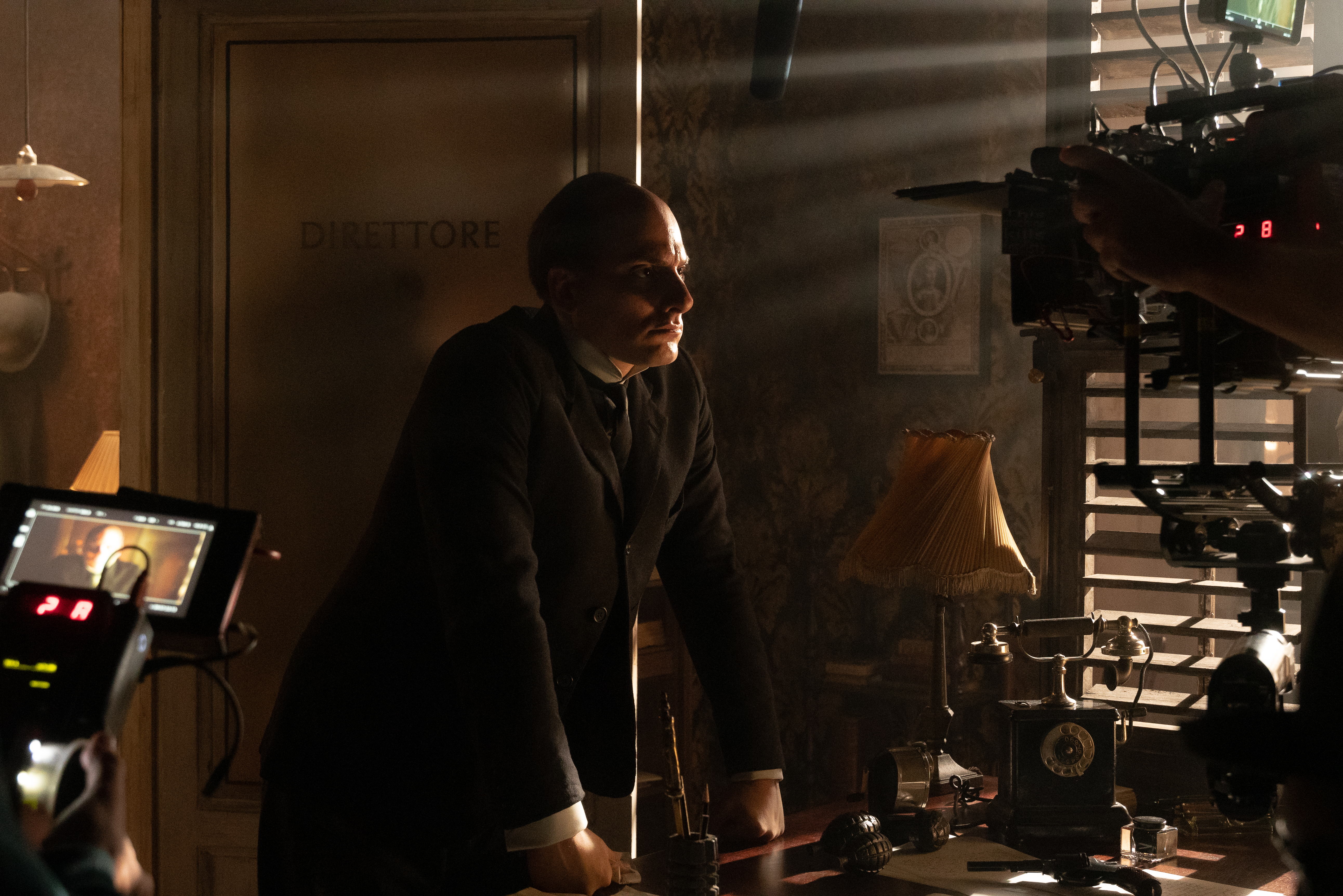
Image Courtesy: Variety
Wright creates a confrontation between Mussolini and the audience in 'Mussolini: Son of the Century.' As he creates his own story, he breaks the fourth wall and speaks directly to the audience. According to Wright, Mussolini was a man consumed by power, but as the story progresses, he becomes more and more troubled by a narrative that is eluding him.
Why It Matters?
Wright's method turns historical drama into an eye-catching narrative and visual experiment. Reminding us that populist authoritarianism both enchants and terrifies, Mussolini smashes the fourth wall and addresses the crowd with unnerving assurance. The visuals support that strength—the futurist elements of the series are reflected in a powerful techno soundtrack composed by Tom Rowlands of 'The Chemical Brothers,' which gives the narrative a sense of urgency and dynamism. The series functions more as a visceral warning than as a historical lesson, according to critics. The FT lauded its boldness, calling it "a provocative drama that explores the rise of Italy's fascist movement."
Check Out the Trailer:
Casting Power and Release Rollout
Mussolini: Son of the Century's strong ensemble is its main support. As Mussolini, Luca Marinelli gives a powerful portrayal, capturing the charisma, insecurity, and evil of the dictator. He is joined by a superb team that includes Lorenzo Zurzolo as Italo Balbo, Francesco Russo as Cesare Rossi, Barbara Chichiarelli as Margherita Sarfatti, Benedetta Cimatti as Rachele Mussolini, and Gaetano Bruno as socialist leader Giacomo Matteotti.

Image Courtesy: Variety
Paolo Pierobon as Gabriele D'Annunzio, Vincenzo Nemolato as King Vittorio Emanuele III, and Maurizio Lombardi as Emilio De Bono are additional important characters.
Regarding the series' launch, it debuted on 5th September, at the esteemed Venice International Film Festival and started showing on Sky Atlantic in Italy and the UK from 10th January itself. In the UK it was also available to stream via NOW starting 4th February 2025. The series started on MUBI on 10th September, and episodes are being released weekly until late October for viewers in North America, Latin America, Belgium, Luxembourg, Turkey, India, and New Zealand, among other countries.