
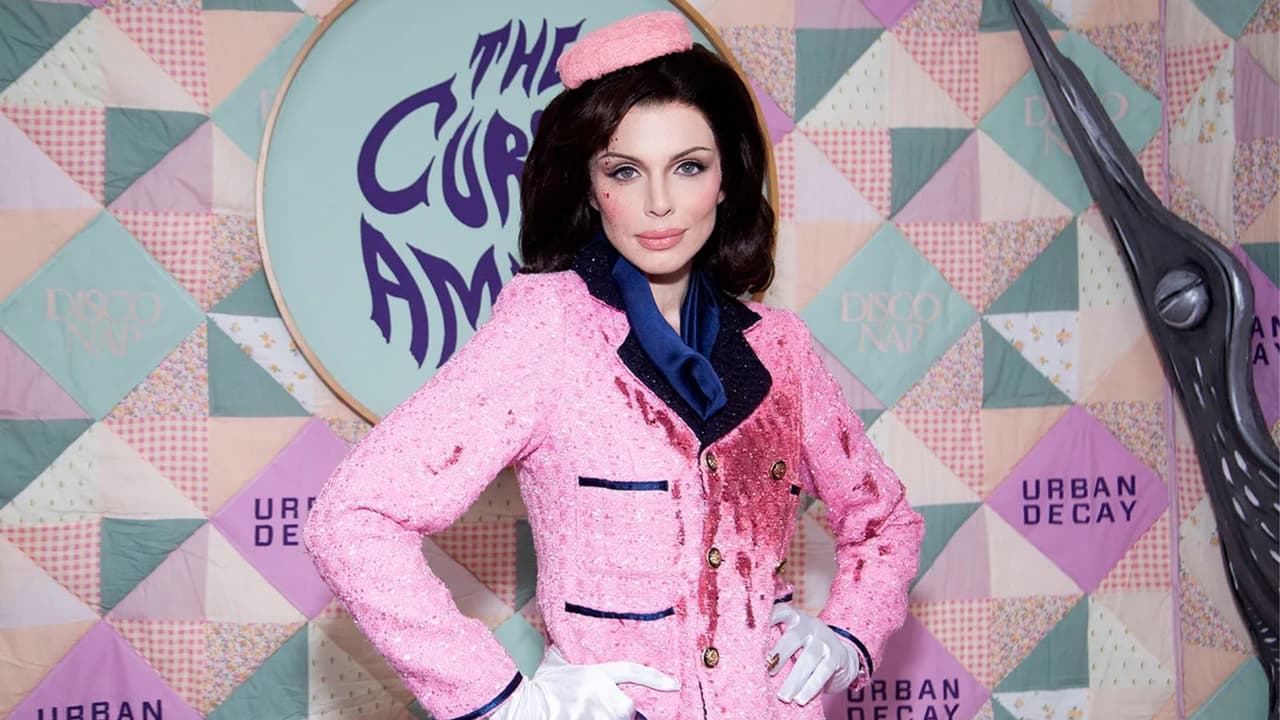
Actress and style provocateur Julia Fox has caused a stir this Halloween with her bold recreation of former First Lady Jacqueline Kennedy Onassis's iconic pink suit—complete with fake blood splatter to mimic the tragic day of John F. Kennedy's assassination. Fox created the style as a visual statement, but it immediately sparked discussion on social media and elsewhere. One of the outraged responses was a vehement denunciation from Jack Schlossberg, the grandson of Jackie Kennedy, who described the outfit as "disgusting," and "dangerous."
The Costume and the Meaning Behind It
Julia Fox appeared at a New York City Halloween event dressed in a near-exact recreation of Jackie Kennedy's pink Chanel-style suit, the one she was wearing on 22nd November, 1963, when her husband, President John F. Kennedy, was assassinated in Dallas. The ensemble included a pink jacket and skirt, white gloves, a pillbox hat, and fake blood splattered across the outfit.
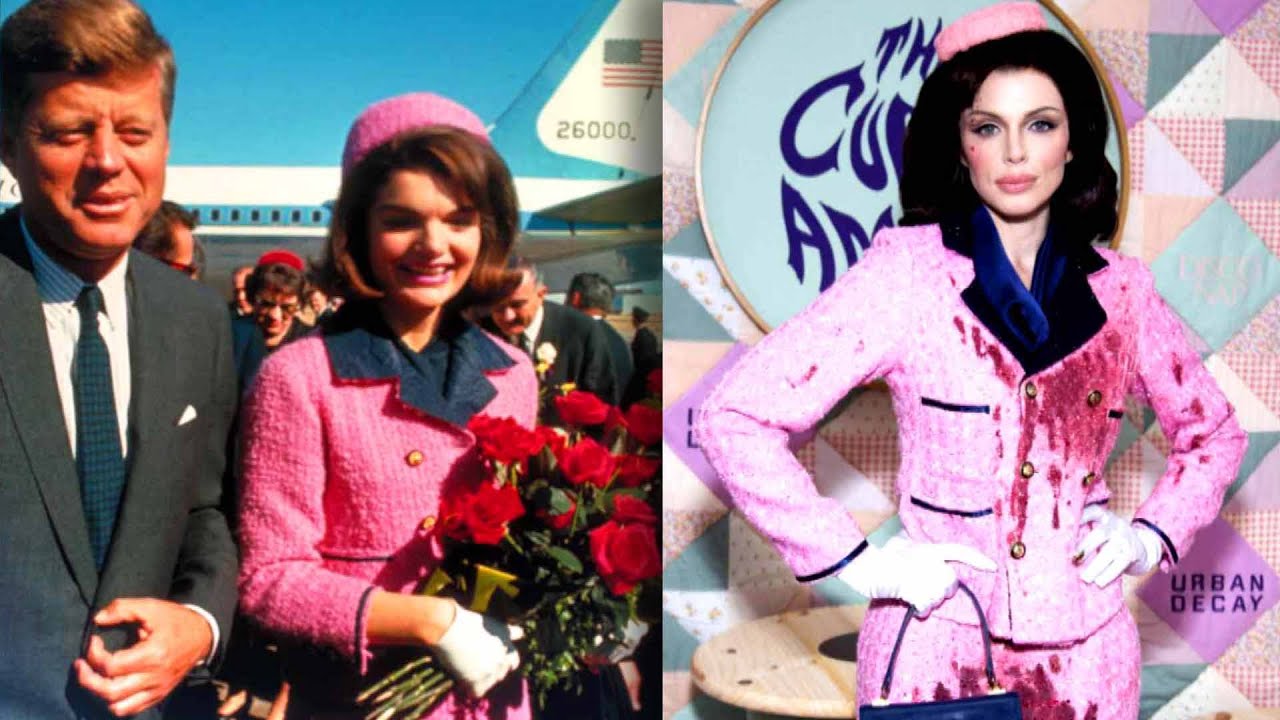
Image Courtesy: YouTube/Inside Edition
By referencing Jackie Kennedy's famous words, "I want them to see what they've done," and her refusal to take off her blood-stained clothing following the killing, Fox clarified on Instagram that her goal was not just a costume but a "statement." According to Fox, the outfit symbolises "beauty and horror, poise and devastation," and reflects themes of trauma, power and femininity as resistance.
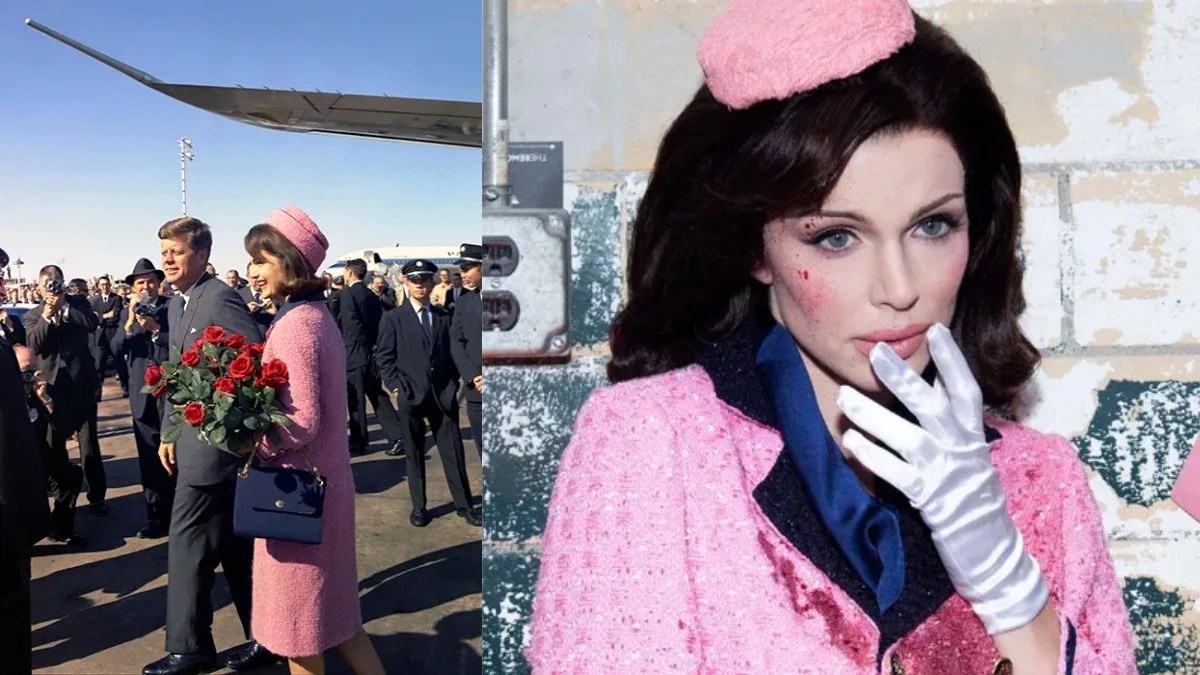
Image Courtesy: Backyard Drunkard
Who Was Jackie Kennedy and Why the Iconic Suit?
During her tenure as First Lady of the United States from 1961 to 1963, Jacqueline Kennedy Onassis rose to prominence as a global fashion icon, renowned for her grace, poise, and sense of style. One of the most iconic and eerie images in contemporary American history is of her wearing a pink tweed suit and pillbox hat on the day her husband was murdered. She later refused to take off the bloody outfit.
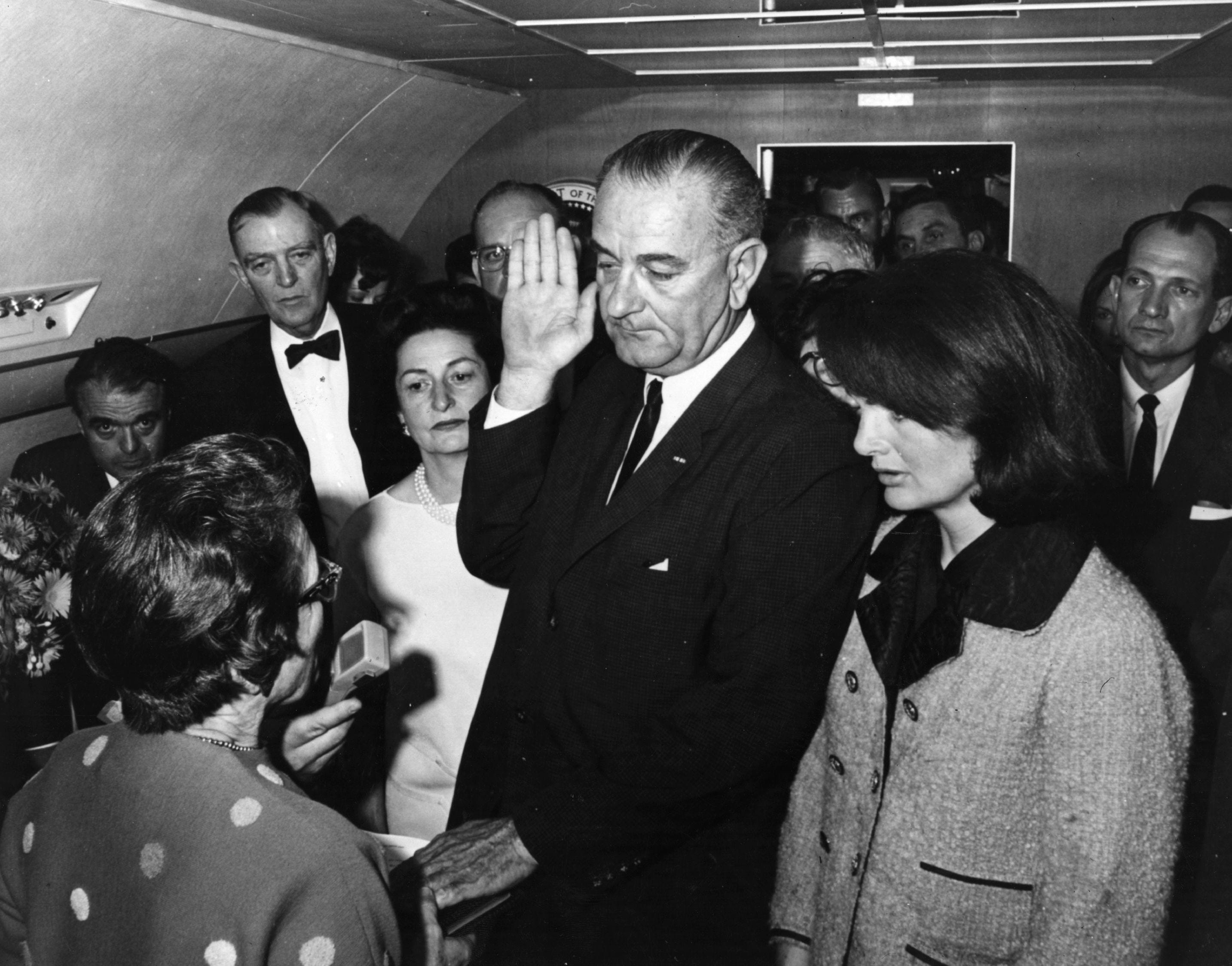
Image Courtesy: Biography
That suit is now preserved at the National Archives, and the moment has been interpreted by historians as Jackie's way of silently protesting the violence and bearing witness to the event. When Fox recreated that moment for Halloween, she tapped into that historical symbolism—but the shock value made it difficult for many to separate tribute from spectacle.
Backlash, Statement and the Kennedy Family’s Response
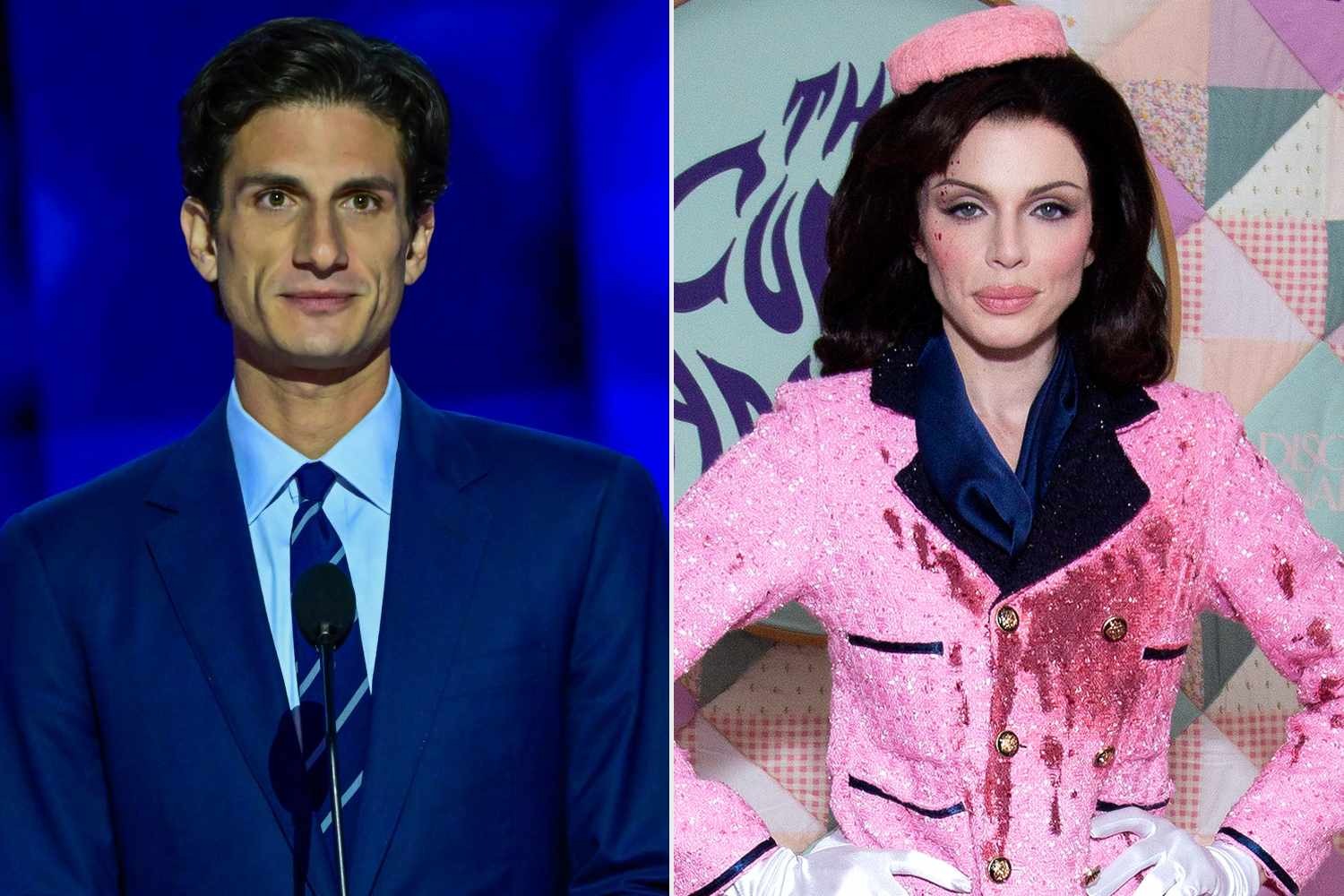
Image Courtesy: People
Given the actual pain connected to the incident, the costume sparked a surge of internet criticism, with several users labeling the ensemble "tasteless," "disrespectful," and "insensitive." Jack Schlossberg, the grandson of JFK and Jackie, was one of the most scathing critics. He stated on X (previously Twitter) that "Julia Fox glorifying political violence is disgusting, desperate and dangerous. I’m sure her late grandmother would agree."
In an attempt to show how Jackie Kennedy exploited her image in the wake of tragedy, Fox defended her appearance on Instagram, emphasizing that it was "not a costume, but a statement." Nevertheless, many commentators were not persuaded in spite of her explanation. Posts and articles questioned whether Fox's depiction respected or capitalized on history, and whether a historical tragedy should be used as Halloween theatrics.
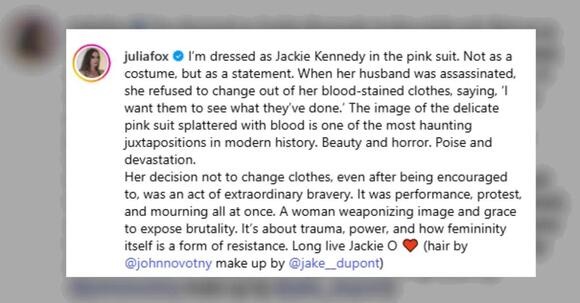
Image Courtesy: News Break
As a result, the discussion rekindled more general discussions about cultural sensitivity, trauma appropriation, and the boundaries between public remembrance and fashion performance.