

After learning that a social media video promoting raids by U.S. Immigration and Customs Enforcement (ICE) exploited her recent hit song 'Juno' without permission, pop artist Sabrina Carpenter publicly slammed the White House. The video, shared on the White House's official X account, showed footage of agents holding immigrants—synced to Carpenter's track and clipped lyrics. Outraged by the addition of her music with scenes of enforcement, Carpenter slammed the action as morally unacceptable, arguing her work should never be used to push what she called an "inhumane agenda."
'Juno' Goes From Chart-Topper to Controversy
The hit track 'Juno' from Carpenter's 2024 album 'Short n' Sweet' was well praised for its daring tone and sudden success. When the White House used a looped phrase, "Have you ever tried this one?" to soundtrack a montage of ICE officials pursuing, handcuffing, and arresting immigrants, the song—which was already popular on social media due to its catchy hooks and thought-provoking lyrics—became unexpectedly politicized. The video's caption added: "Bye-bye," seemingly trivializing the serious subject matter.
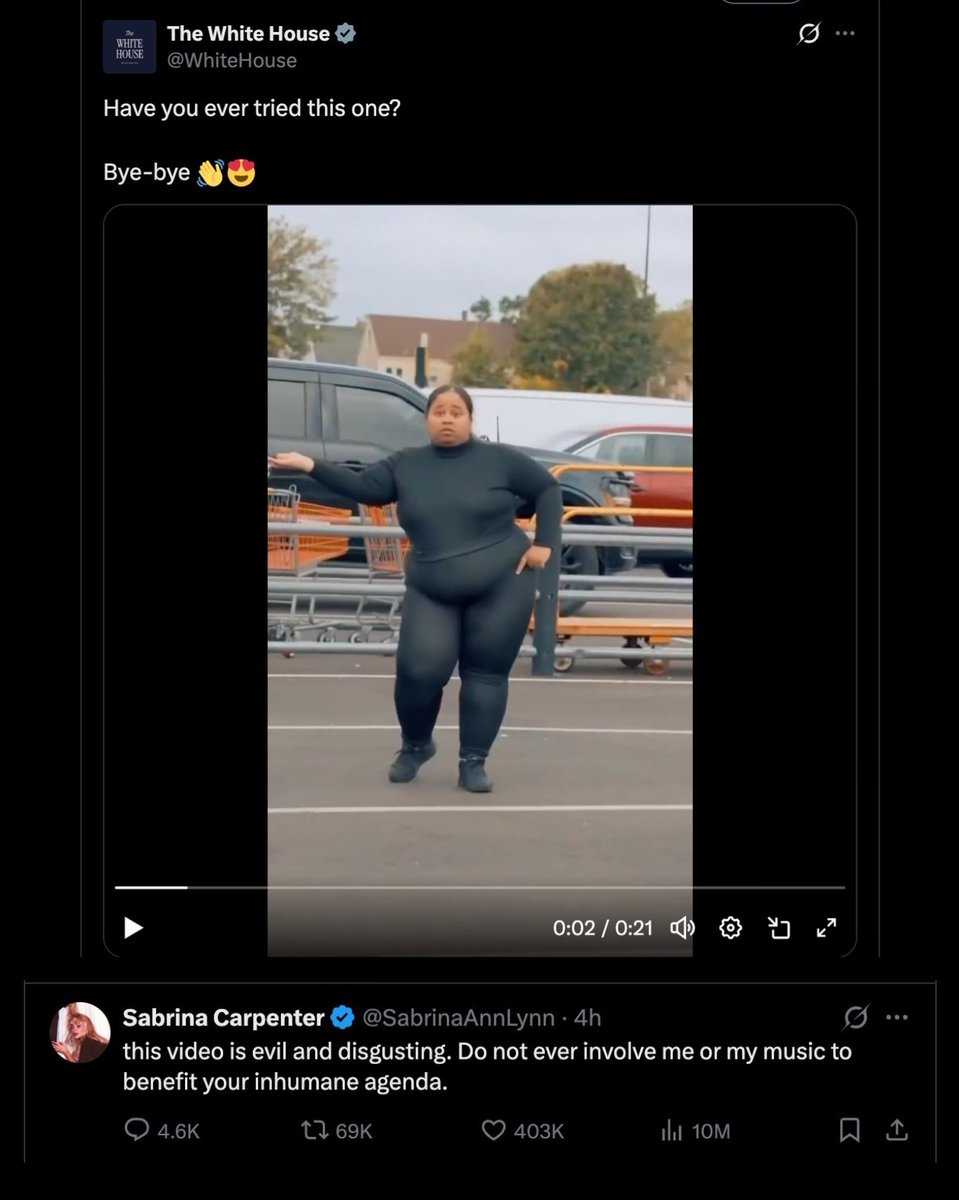
Image Courtesy: X
'Juno' had been associated with mass appeal, youthful vitality, and pop culture buzz for many. But by connecting it with immigration raids and enforcement footage, the White House reworked the track—changing a chart-hit into a backdrop for heated political message. What started as a tune for entertainment suddenly became a lightning point for debate about consent, art, and political propaganda.

Image Courtesy: Mashable ME
Sabrina Carpenter's Swift Backlash
Carpenter condemned the video and cautioned against utilizing her work for political purposes on X (previously Twitter) within hours. She wrote plainly: "this video is evil and disgusting. Do not ever involve me or my music to benefit your inhumane agenda." Her remark was unmistakable: she refused to be complicit in what she regarded an insensitive, demeaning picture of immigration.
The singer's fans and many observers rallied behind her, calling the usage wrong, harmful, and tone-deaf. Some pointed out that Carpenter's music, which was composed for enjoyment, should never be used as a weapon to promote divisive laws. The pushback led to a response from the White House. The decision was supported by a spokeswoman who said they would not issue an apology and used the footage as evidence in favour of deporting "dangerous criminal illegal murderers, rapists, and pedophiles."
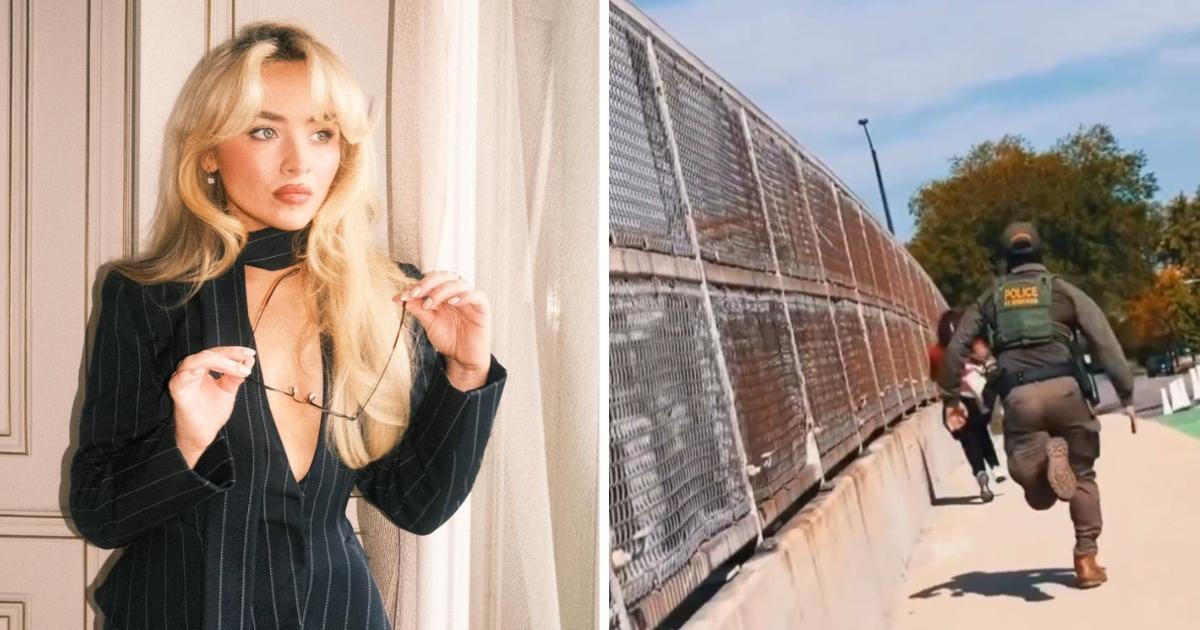
Image Courtesy: Inquisitr News
They added a derogatory comment aimed at critics: "Anyone who would defend these sick monsters must be stupid, or is it slow." Despite the White House's justification, Carpenter's stance highlights a more general problem: the morality of leveraging artistic creations to further political agendas, particularly when permission is not obtained. As the controversy unfolds, it raises questions about artistic integrity, agency, and the responsibility of public institutions in how they deploy culture for political ends.