
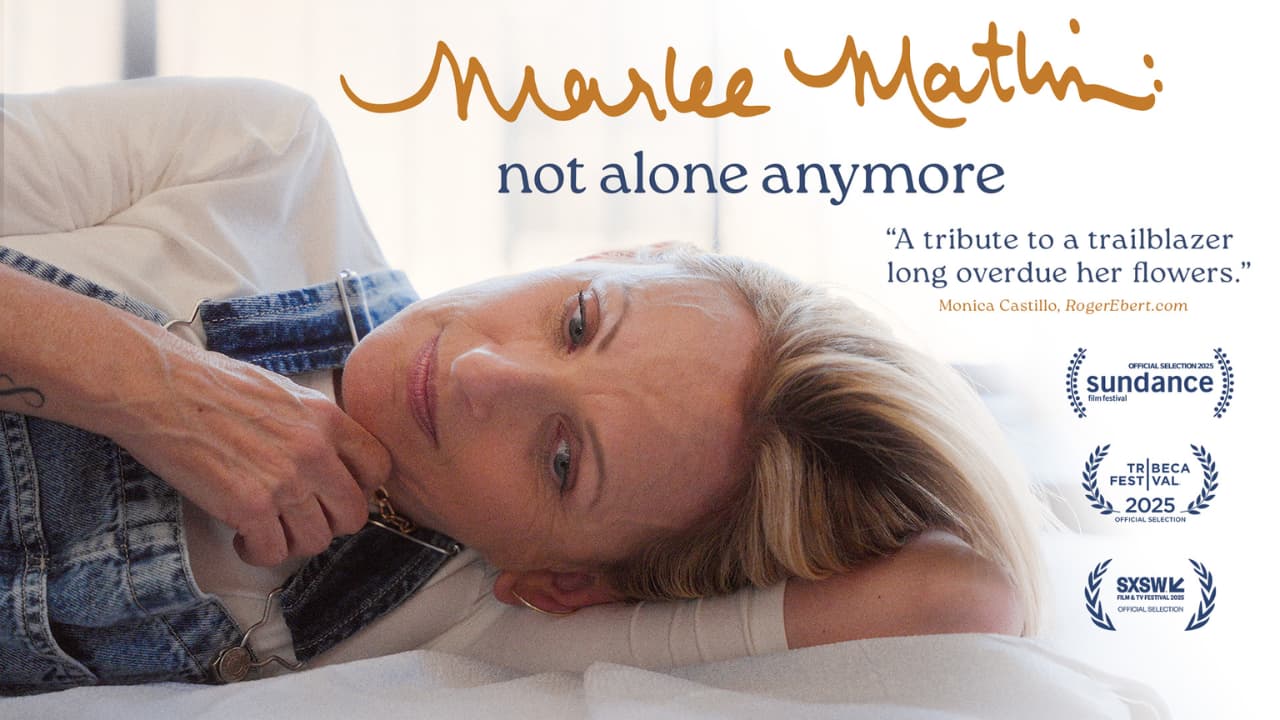
Despite never having directed, Oscar-winning actress Marlee Matlin requested that her longtime friend and fellow Deaf actor Shoshannah Stern take the helm when she was asked to be the subject of a documentary. Best recognized for her parts in 'Grey's Anatomy and Weeds', Stern also co-created 'This Close' and embarked on a new creative journey. Marlee's straightforward yet impactful advice, "You need to direct," propelled Stern onto new heights. Stern then reinvented documentary filmmaking to represent the visual worldview of Deaf people, without the use of conventional voiceovers or audio.
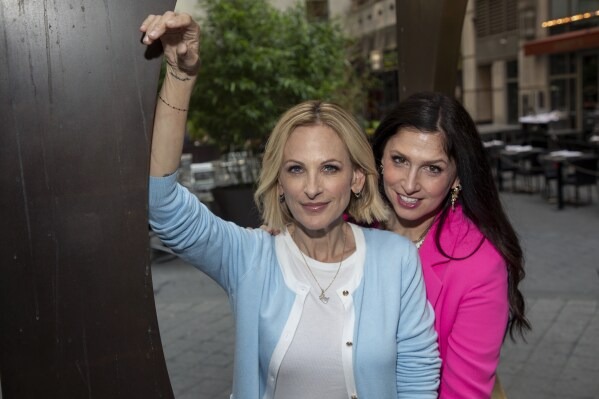
Image Courtesy: AP News
A Visual Documentary Born from Deaf Experience
Stern purposefully focused on visual narrative and American Sign Language when creating 'Marlee Matlin: Not Alone Anymore'. In favour of immersive visual voiceovers, split screens, carefully placed captions inside shots, and wider framing to accommodate sign language and captions, she eschewed traditional documentary techniques like spoken narration and audible cutaways.
Watch the Official Trailer:
The end product is a multisensory film that offers a genuine glimpse into Matlin's life, including her early achievements as the youngest Oscar winner for Best Actress, her difficulties with abuse and recovery, and her unwavering support of Deaf accessibility and representation.
Breaking Barriers—and Building a Legacy
'Not Alone Anymore' is not only a documentary, but a milestone, with its world premiere at Sundance in January 2025 and its June theatrical release. As a novice filmmaker, Stern forced seasoned professionals to reconsider the vocabulary of visual narrative, proving that documentaries can—and should—be inclusive in both form and subject.
Matlin's biography, meanwhile, highlights decades of ground-breaking work—winning an Oscar at age 21—advocating for accessibility and continuing to motivate Deaf artists. The film has received accolades from critics for its innovative portrayal, emotional honesty, and reluctance to romanticize or oversimplify Matlin's hardships.