
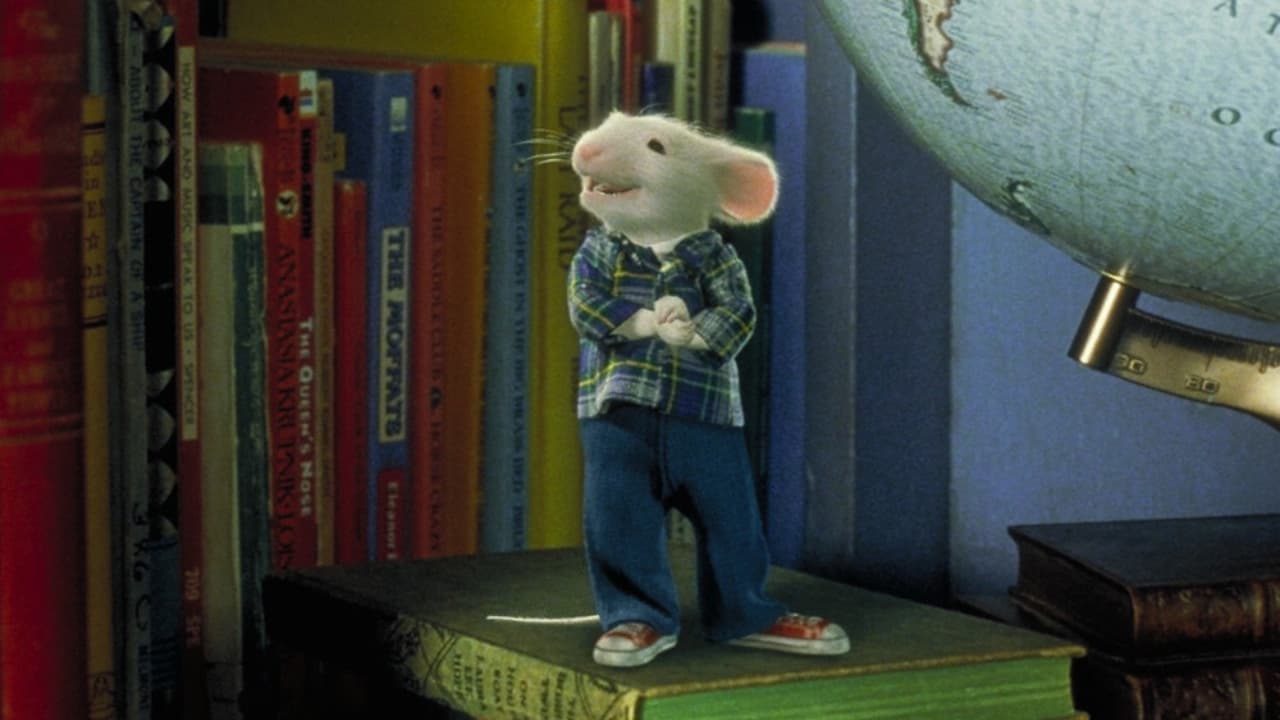
For generations of moviegoers, 'Stuart Little' has been remembered as an adorable white mouse who seamlessly fits into the Little family. The popular film trilogy, released between 1999 and 2006, reinforced that idea, portraying Stuart as an orphaned mouse adopted by human parents. However, the original story behind the beloved character tells a very different—and surprising—tale.
Stuart Little is Not a Mouse in The Books
Many fans are now rediscovering that Stuart Little is not actually a mouse in the original book. The films are based on the 1945 children's novel written by Elwyn Brooks, better known as E.B. White. In the book, Stuart is not adopted at all. Instead, he is born into the Little family, even though he is tiny.
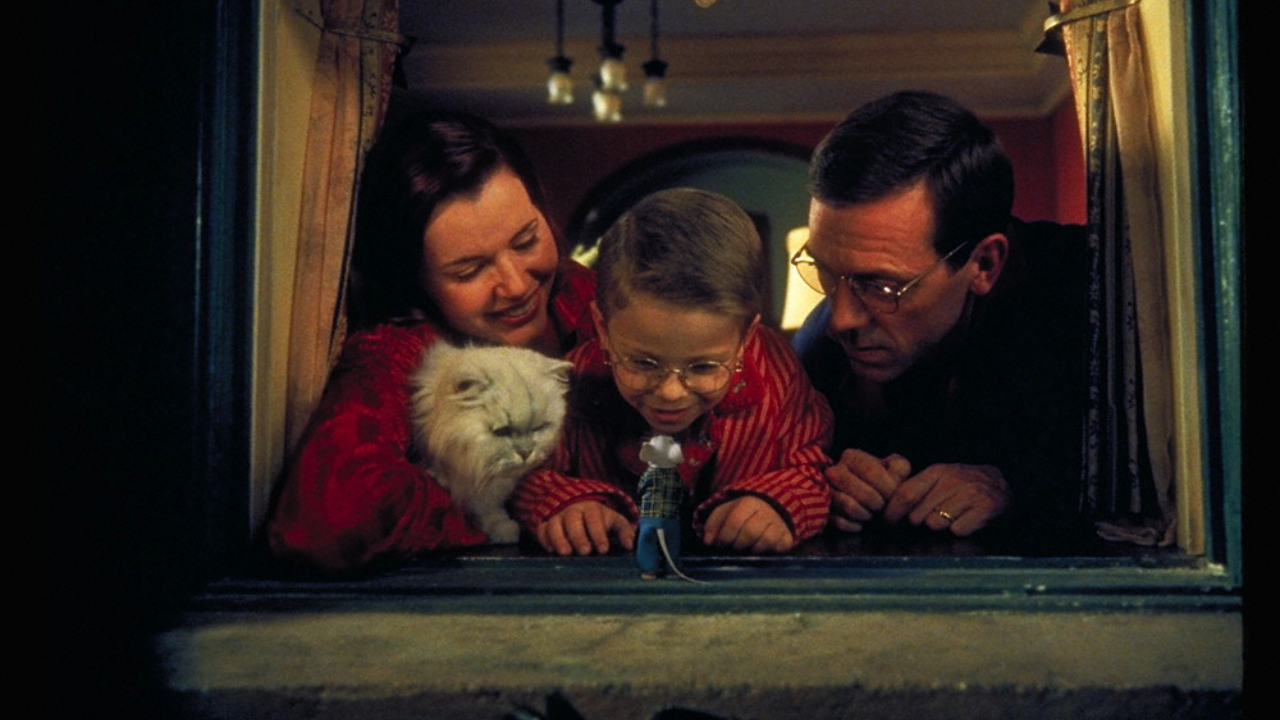
Image Courtesy: 1999 - Columbia Pictures, Inc.
White describes the moment of Stuart's arrival by explaining that the Littles' second son was scarcely larger than a mouse. From the very beginning, the book establishes Stuart as a human child who merely resembles a mouse, rather than an animal living among humans.
The opening pages of the novel go into further detail, portraying Stuart Little as only a couple of inches tall with features identical to those of a mouse, including a pointed nose, whiskers, a tail, and a gentle, shy personality. Despite his appearance, he is treated as a real boy by his family.
Recent Online Discussions on Stuart Little
This distinction has recently resurfaced in online discussions, after film critic Chris Evangelista shared his own shock at realising the truth. His post sparked widespread conversation, with many readers admitting they had never known about this key difference between the book and the movies.
The origins of Stuart Little date back much earlier than the book's publication. White originally created stories about Stuart for his 18 nieces and nephews. The character first came to him in 1926 while he was working at The New Yorker. White later explained that the idea emerged from a dream he had while asleep on a train, imagining a small, well-dressed, brave character with the traits of a mouse.
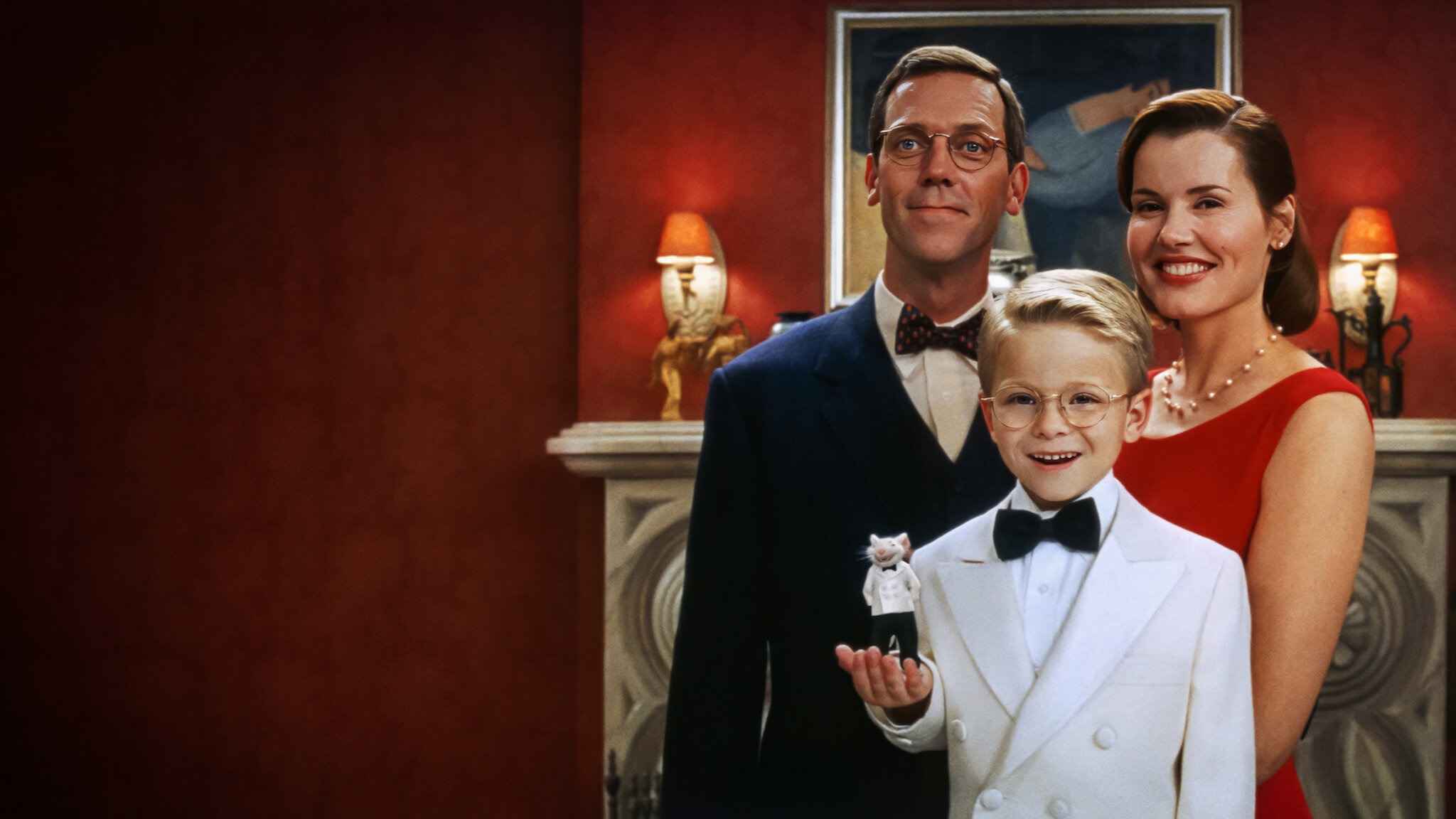
Image Courtesy: 1999 - Columbia Pictures, Inc.
When the book was prepared for publication, it faced scepticism within the literary world. Critics worried that the blurred line between fantasy and reality would make the story unsuitable for schools and libraries. Early versions of the book even stated that Stuart was born rather than arriving, but this detail proved too unsettling for some readers.
Harold Ross, a co-founder of The New Yorker and a colleague of White's, suggested revising the language to soften the concept. As a result, later editions adjusted how Stuart's entrance into the family was described. Even so, many libraries initially hesitated to carry the book, though educators often found ways to introduce it to young readers.
While the film adaptations took creative liberties by transforming Stuart Little into a literal mouse, White's original vision of a mouse-like human boy remains a fascinating part of literary history. The revelation continues to surprise fans decades later, proving that even classic stories can still hold unexpected twists.