
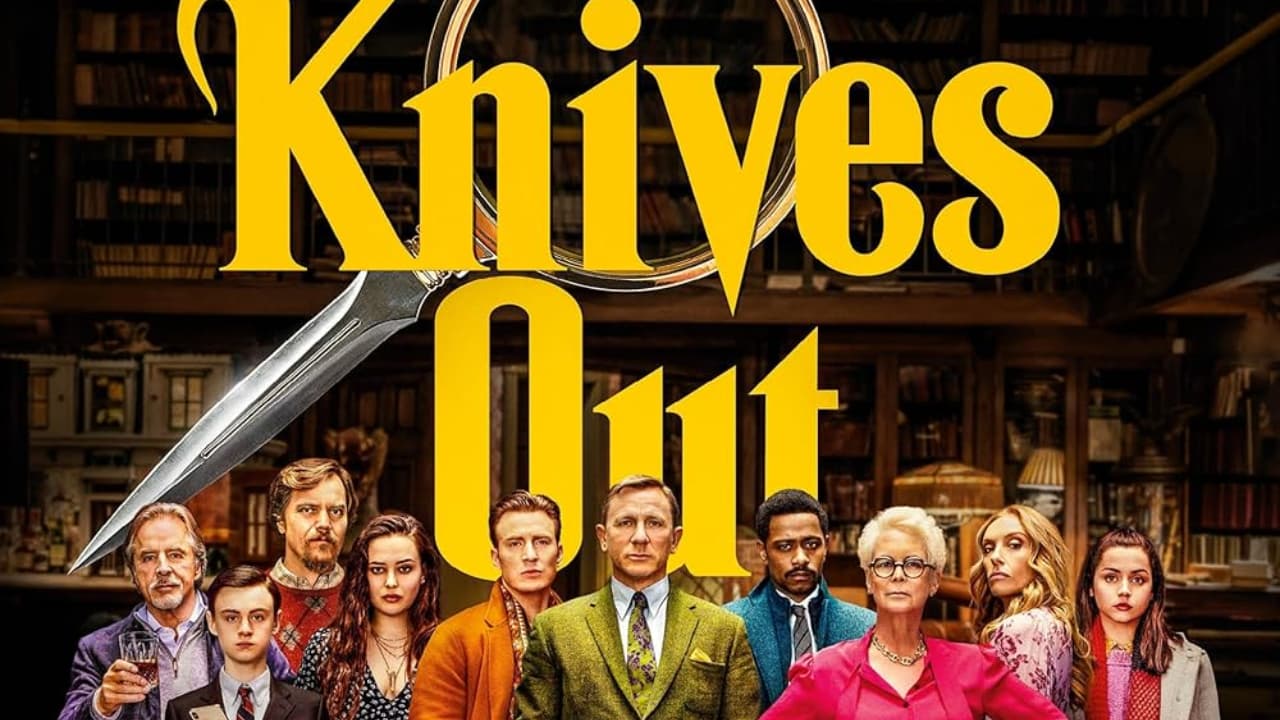
When Rian Johnson’s 'Knives Out' premiered in 2019, audiences quickly realised it wasn't just another murder mystery—it was a razor-sharp critique of class, privilege, and entitlement wrapped in the trappings of an Agatha Christie-style whodunit. While the film delivers all the hallmarks of the genre—eccentric suspects, a grand estate, and a detective with a flair for theatrics—its brilliance lies in how it reimagines those tropes for the 21st century, using wealth and greed as its central puzzle pieces.
Wealthy Family Background in 'Knives Out'
At the heart of the story is the wealthy Thrombey family, heirs to the fortune of mystery novelist Harlan Thrombey. On the surface, they appear successful and self-reliant. Yet as the plot unfolds, their dependence on Harlan's money becomes undeniable. Johnson uses them as a microcosm of generational privilege: a family that claims to value hard work while secretly clinging to inherited wealth. Their greed is not only financial but emotional—each feels entitled to Harlan's attention, approval, and ultimately, his fortune.

Image Courtesy: IMDb
In sharp contrast stands Marta Cabrera, Harlan's nurse and the true protagonist of the film. Unlike the Thrombeys, Marta works tirelessly, embodying empathy and integrity. Her immigrant background becomes a subtle but powerful device: the Thrombeys constantly misidentify her country of origin, a casual display of condescension that highlights their ignorance and prejudice. When Harlan chooses to leave his estate to Marta, Johnson flips the traditional mystery dynamic. The inheritance becomes less about money and more about morality—who deserves to inherit a legacy, and who has simply coasted on privilege.
'Knives Out' Old Wealth Matches Christie's
The estate itself functions as a character, echoing Christie's grand country houses while symbolising old wealth and entrenched power. Within its labyrinthine halls, Johnson stages not only a murder but also a class war. The family's venomous arguments about Marta's right to Harlan’s fortune mirror real-world anxieties about shifting wealth and privilege in modern society.

Image Courtesy: IMDb
Ultimately, 'Knives Out' is more than a clever whodunit—it's a satire of entitlement. By giving the "outsider" Marta both the inheritance and the moral high ground, Johnson challenges the genre's conventions while delivering biting social commentary. Much like Christie used her mysteries to dissect British class divisions, Johnson wields the murder mystery as a lens to explore the greed and fragility of America’s privileged elite.
In a world still fascinated by wealth, inheritance battles, and the moral compromises of the rich, 'Knives Out' proves that the whodunit remains as relevant as ever—when paired with sharp social critique.