
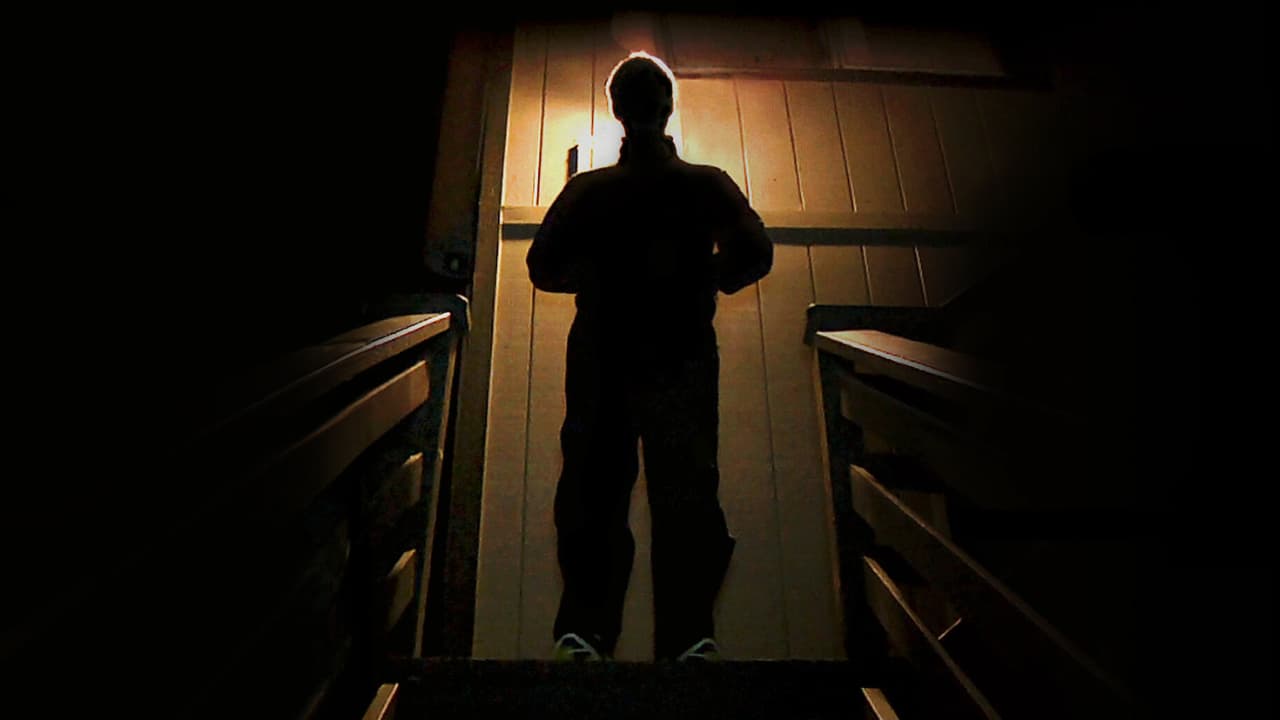
Released in 2014, 'Creep' marked a turning point in the evolution of modern horror, shifting away from gore and jump scares toward something more intimate, unsettling, and psychologically driven. Directed by Patrick Brice and starring Mark Duplass in a hauntingly offbeat performance, the film helped redefine what indie horror could achieve with limited resources but maximum tension.
At its core, 'Creep' is a simple two-character story: a videographer, Aaron (played by Brice), responds to a Craigslist ad to film a terminally ill man's final messages for his unborn child. But as the day unfolds, Josef (Duplass) reveals increasingly strange and manipulative behaviour, creating an atmosphere of deep discomfort rather than outright terror. It's this slow, creeping dread that positions Creep as a milestone in psychological horror.
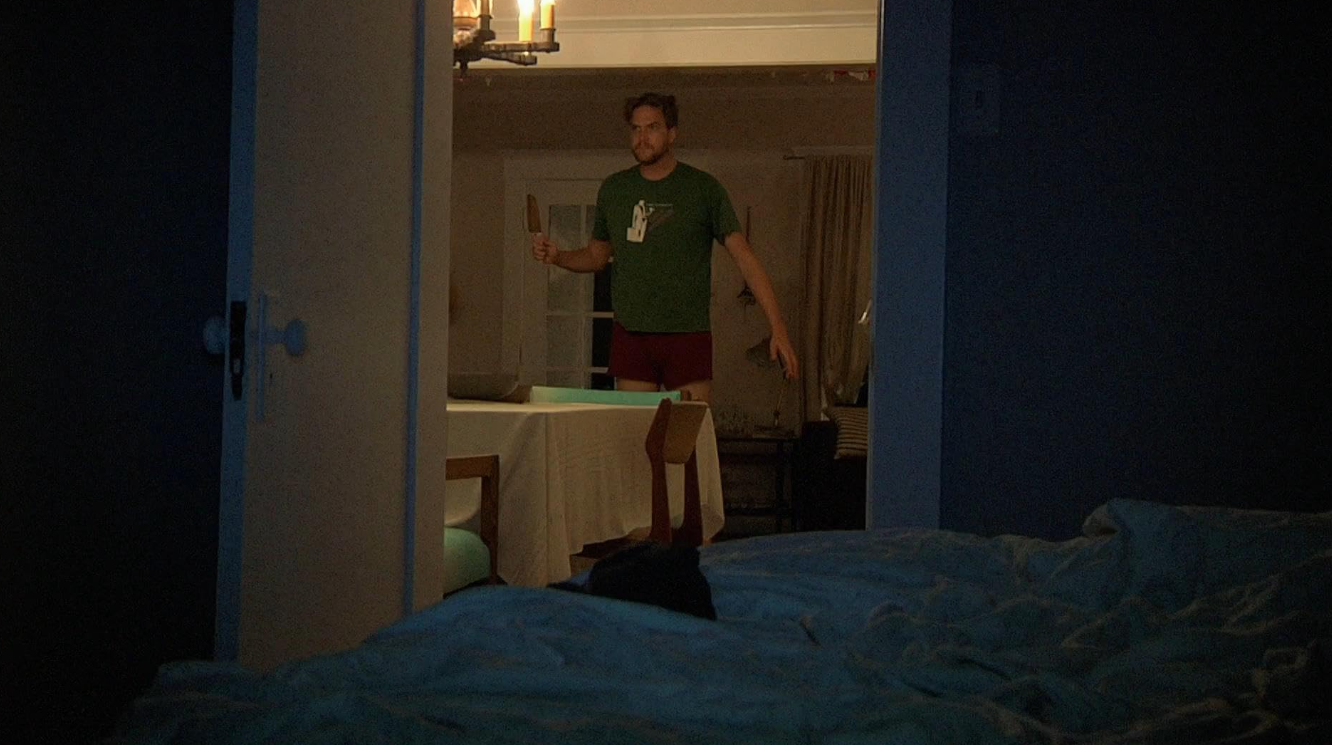
Image Courtesy: IMDb
'Creep' Relies on Character Building
What makes 'Creep' so effective is its reliance on character over spectacle. Josef isn’t a typical horror villain—he’s disarming, awkward, and almost likeable. But that’s where the danger lies. Viewers, like Aaron, are lulled into a false sense of safety, only to be pulled deeper into a web of manipulation. The horror isn’t external—it’s emotional, relational, and disturbingly human.
This approach reflects a broader trend in indie horror over the past decade. Films like 'The Babadook', 'It Follows', 'Hereditary', and 'The Witch' have all emphasised psychological themes: grief, trauma, paranoia, and mental illness. These films often feature minimal casts, intimate settings, and slower pacing, allowing tension to simmer beneath the surface. Like 'Creep', they force audiences to sit in discomfort, often blurring the lines between protagonist and antagonist, reality and delusion.
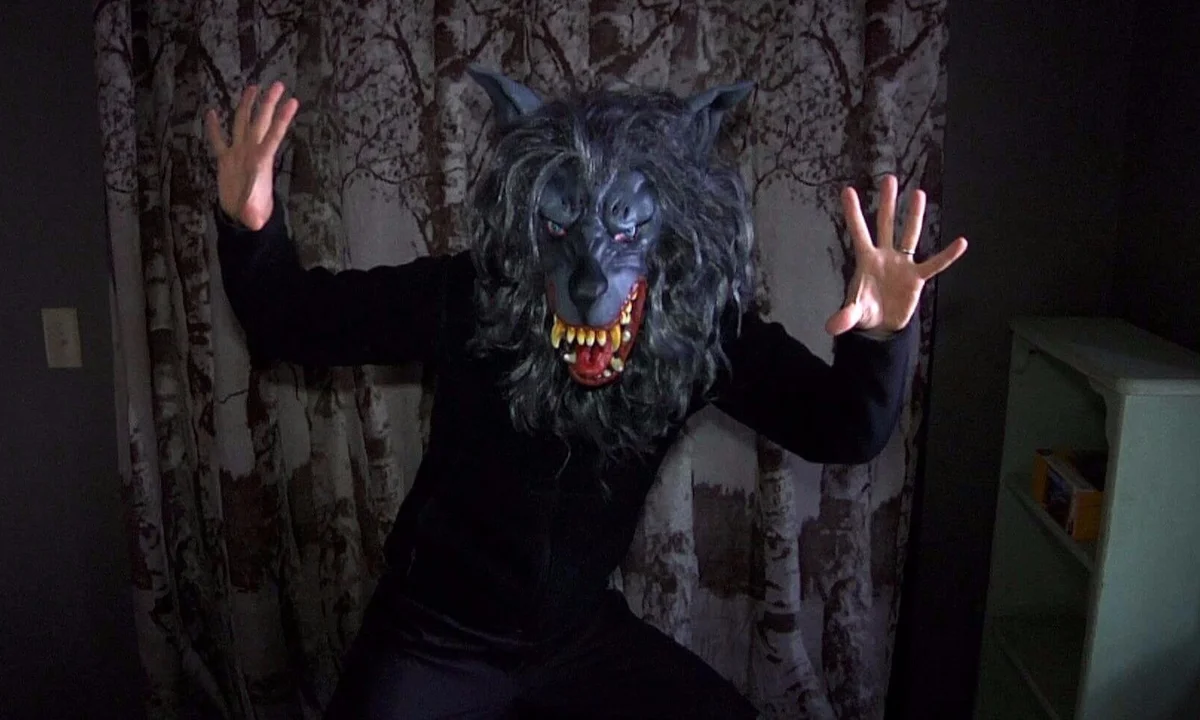
Image Courtesy: IMDb
Indie filmmakers have embraced this shift in part due to budget constraints, but also because psychological horror offers creative freedom. Without the need for elaborate effects or monster designs, directors can focus on storytelling, mood, and performance. 'Creep' demonstrates this beautifully, building suspense through awkward silences, body language, and subtle manipulation.
The success of 'Creep'—which later spawned a sequel and developed a cult following—proved that psychological horror resonates deeply with audiences. In a genre often associated with blood and body counts, 'Creep' quietly terrified its way into horror history by tapping into something much more primal: the fear of trust, of vulnerability, and of being watched by someone who isn’t quite what they seem.