

Imagine waking up one morning and being told that one single personality trait will define the rest of your life—your job, your friends, even where you're allowed to live. Brave? Smart? Selfless? In the world of 'Divergent,' there's no room for "all of the above." Society is neatly sliced into five factions, each claiming to hold the key to peace after humanity nearly destroyed itself.
At first, the system looks efficient, even comforting—no messy choices, no confusion about who you are supposed to be. But as the story unfolds, that tidy sense of order begins to feel more like a cage. Beneath the colour-coded factions and solemn ceremonies lies an unsettling question: Is this society truly maintaining order, or is it quietly controlling its people?
The dystopian film 'Divergent' presents a society divided into five factions, each representing a core human virtue: Abnegation (selflessness), Dauntless (bravery), Erudite (intelligence), Amity (peace), and Candour (honesty).

Image Courtesy: IMDb
The Promise of Order
The faction system claims to create peace by eliminating human flaws. By dedicating oneself to a single virtue, individuals are expected to live harmoniously without greed, violence, or deception.
The Choosing Ceremony reinforces the illusion of freedom, allowing citizens to believe they control their destiny. This rigid organisation provides clarity, social roles, and a sense of belonging, which are essential for maintaining order in a post-war society. Leaders justify the system by arguing that specialisation prevents chaos and moral corruption.
The Reality of Control in 'Divergent'
Despite its promise, the faction system severely restricts personal identity. Human beings are complex, yet society forces individuals into a single category, denying emotional and intellectual diversity. Those who do not fit neatly—known as Divergents—are labelled dangerous because they cannot be easily controlled. This fear of Divergence reveals the system's true goal: obedience. By suppressing individuality, the ruling factions maintain power over the population.
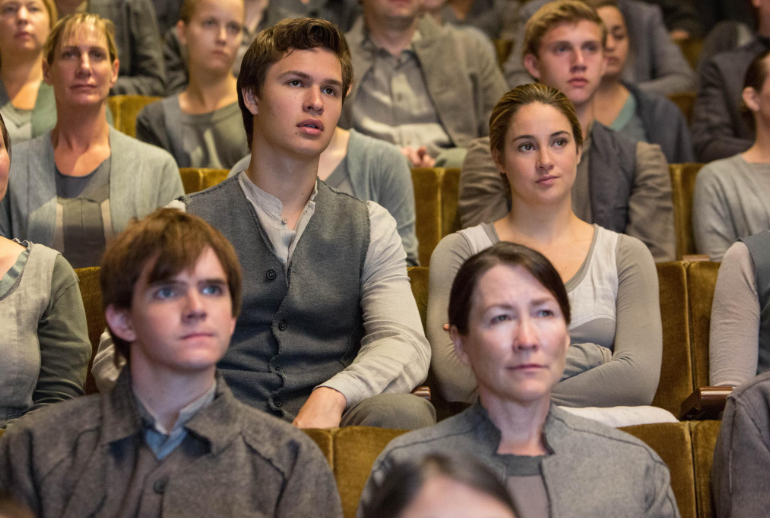
Image Courtesy: IMDb
Fear as a Governing Tool
Control in 'Divergent' is reinforced through fear. The threat of becoming factionless—homeless, powerless, and ignored—ensures compliance.
Dauntless training relies on psychological and physical intimidation, while Erudite uses technology and propaganda to manipulate the masses. The use of fear simulations and mind-control serum highlights how the system prioritises authority over human rights. Order is maintained not through trust, but through coercion.
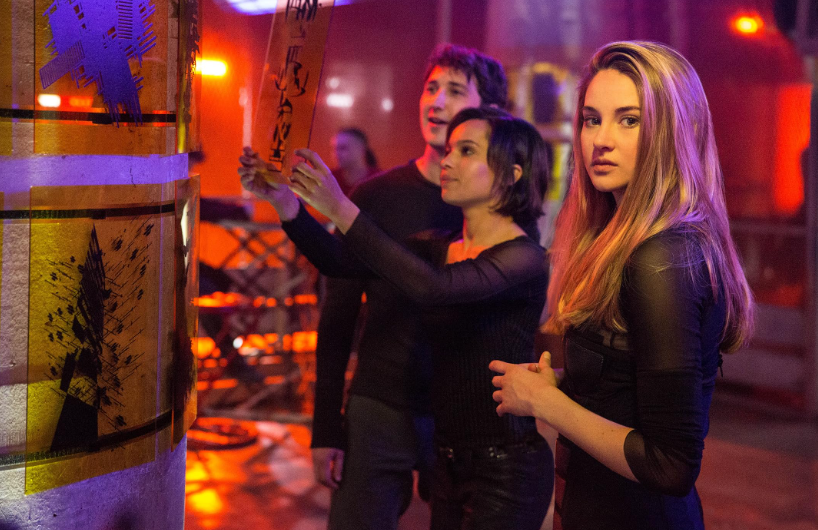
Image Courtesy: IMDb
The faction-based society in 'Divergent' is presented as a solution to human conflict, but it ultimately functions as an oppressive system of control. While it offers structure and stability, it does so at the cost of freedom, individuality, and moral choice. The film suggests that true peace cannot be achieved by suppressing human complexity.
Instead, 'Divergent' warns that any society prioritising order over humanity risks becoming tyrannical rather than harmonious.