

Frank Darabont's 'The Shawshank Redemption' remains one of cinema’s most powerful meditations on the human spirit, largely because it balances the forces of hope and despair with striking emotional depth. Adapted from Stephen King's novella 'Rita Hayworth and Shawshank Redemption,' the film is not simply a prison drama; it is a story about endurance, resilience, and the choice to hold on to hope even in the darkest circumstances.
At the heart of the narrative are two contrasting figures: Andy Dufresne, a banker wrongfully imprisoned for murder, and Ellis "Red" Redding, a lifer who has grown accustomed to the bleak rhythms of incarceration. Andy represents quiet defiance against despair. Despite the brutality and dehumanisation of Shawshank prison, he maintains a sense of inner freedom—listening to opera over the loudspeakers, building a library, and teaching fellow inmates. Each act symbolises his refusal to let the institution crush his spirit.
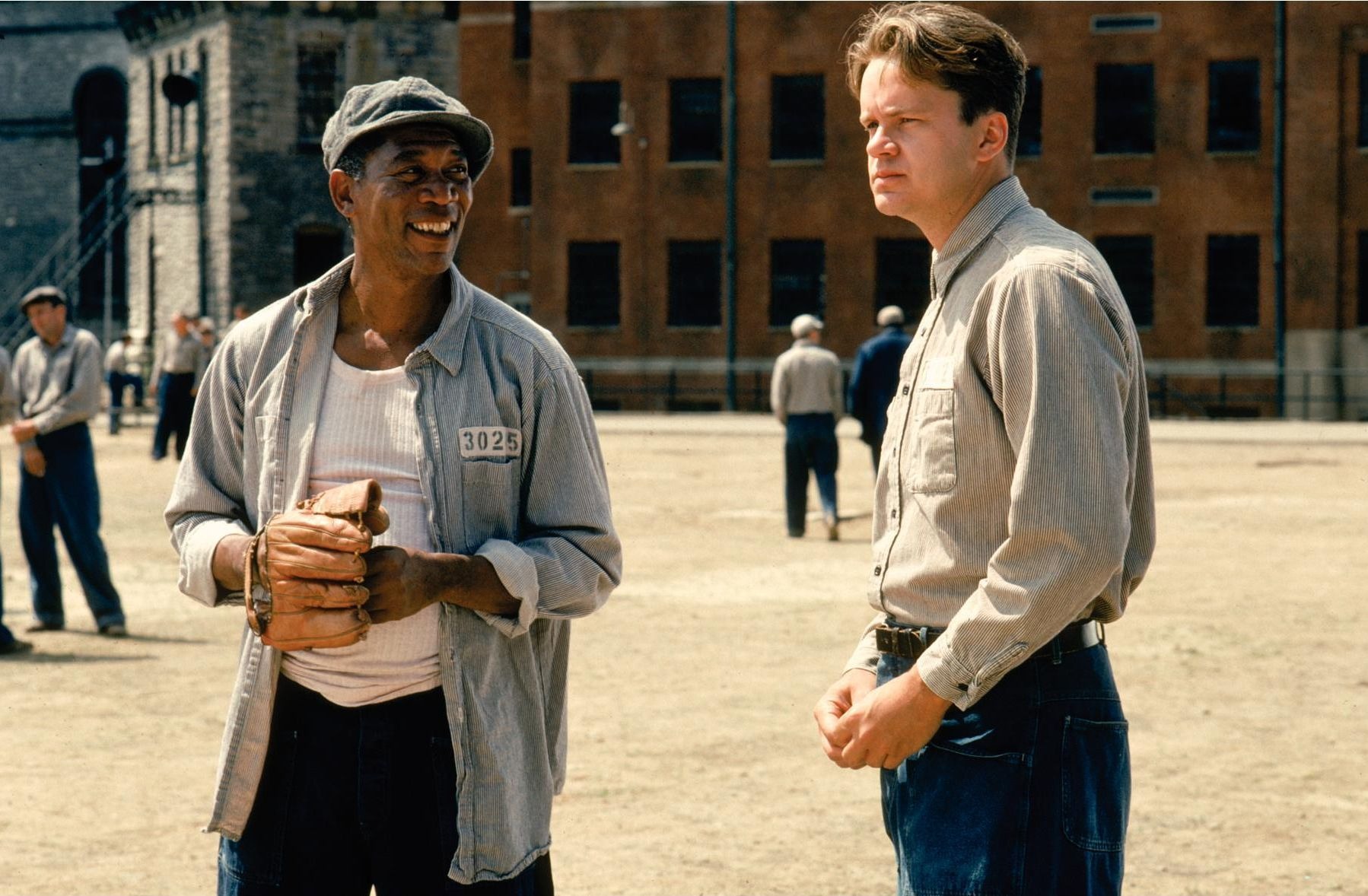
Image Courtesy: IMDb
Confliction Views of Characters in 'The Shawshank Redemption'
Red, in contrast, begins the story as a man consumed by resignation. Having spent decades behind bars, he doubts that hope has any practical use in a place like Shawshank. He warns Andy that "hope is a dangerous thing," suggesting it leads only to frustration and ruin. This cynicism embodies the despair that prison instils in its inmates, convincing them that dreams of freedom are futile.
The film's central tension lies in the dialogue between Andy's unwavering hope and Red's entrenched despair. For Andy, hope is not naïve optimism but an act of rebellion—a way to preserve his humanity. His secret tunnel, carved patiently over decades, becomes a physical manifestation of his belief that freedom is possible. For Red, witnessing Andy's persistence gradually reignites his own sense of possibility, transforming him from a man broken by the system into one willing to take a chance on life beyond prison walls.
Also Read: https://indigomusic.com/feature/why-frankenstein-is-both-a-horror-story-and-a-tragedy-9687529
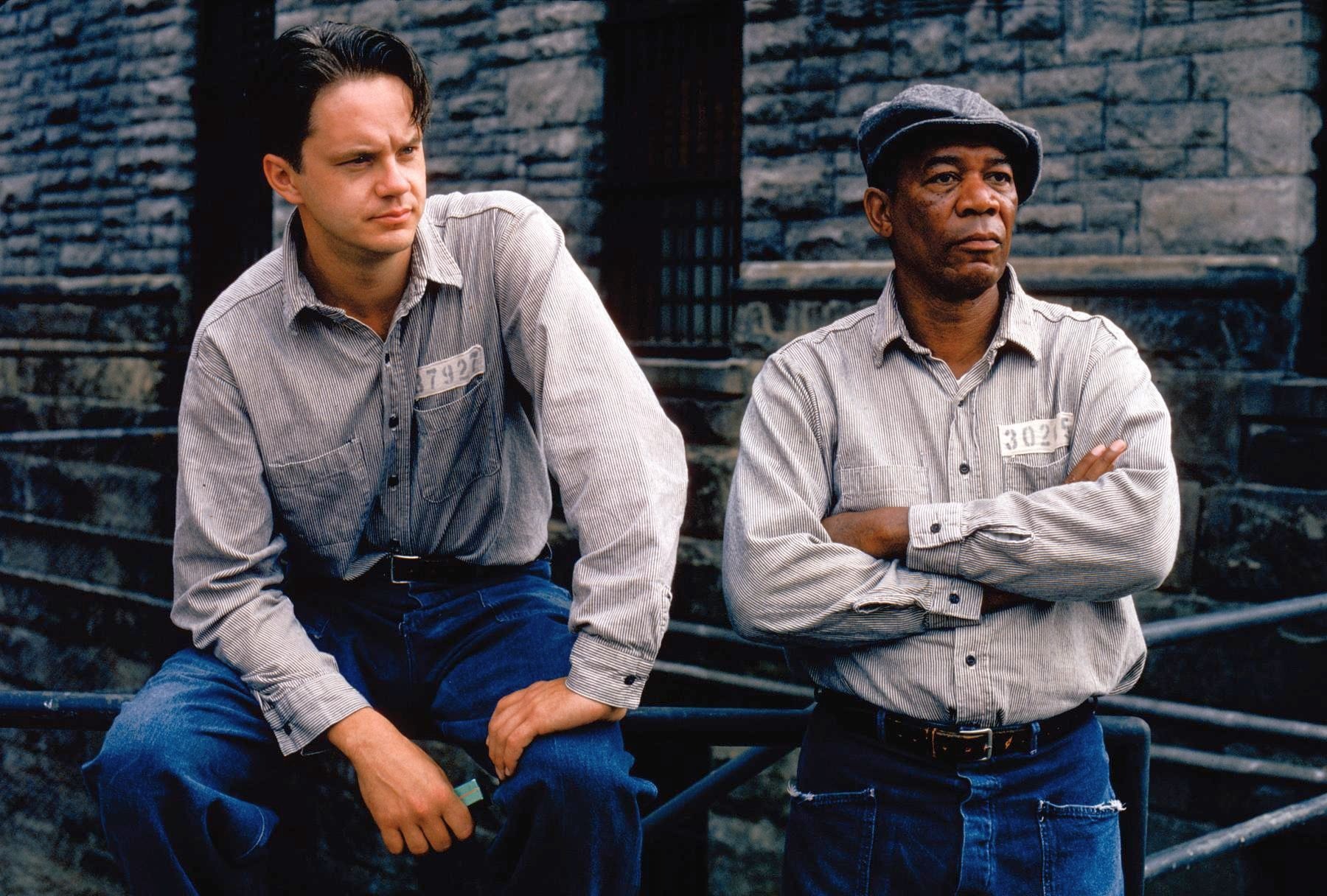
Image Courtesy: IMDb
The climactic resolution in 'The Shawshank Redemption' underscores this thematic battle. Andy's escape is not just a personal triumph but a testament to the endurance of hope over despair. When Red finally receives parole, he chooses to embrace Andy's vision of a life worth living, echoing the film's most memorable line: "Get busy living, or get busy dying."
Ultimately, 'The Shawshank Redemption' resonates because it affirms that hope is more than wishful thinking—it is a lifeline. In a world designed to strip people of dignity and will, the film insists that holding on to hope can be the most radical, transformative act of all.
Also Read: https://indigomusic.com/feature/why-se7en-defined-the-90s-crime-thriller-genre-9682947