
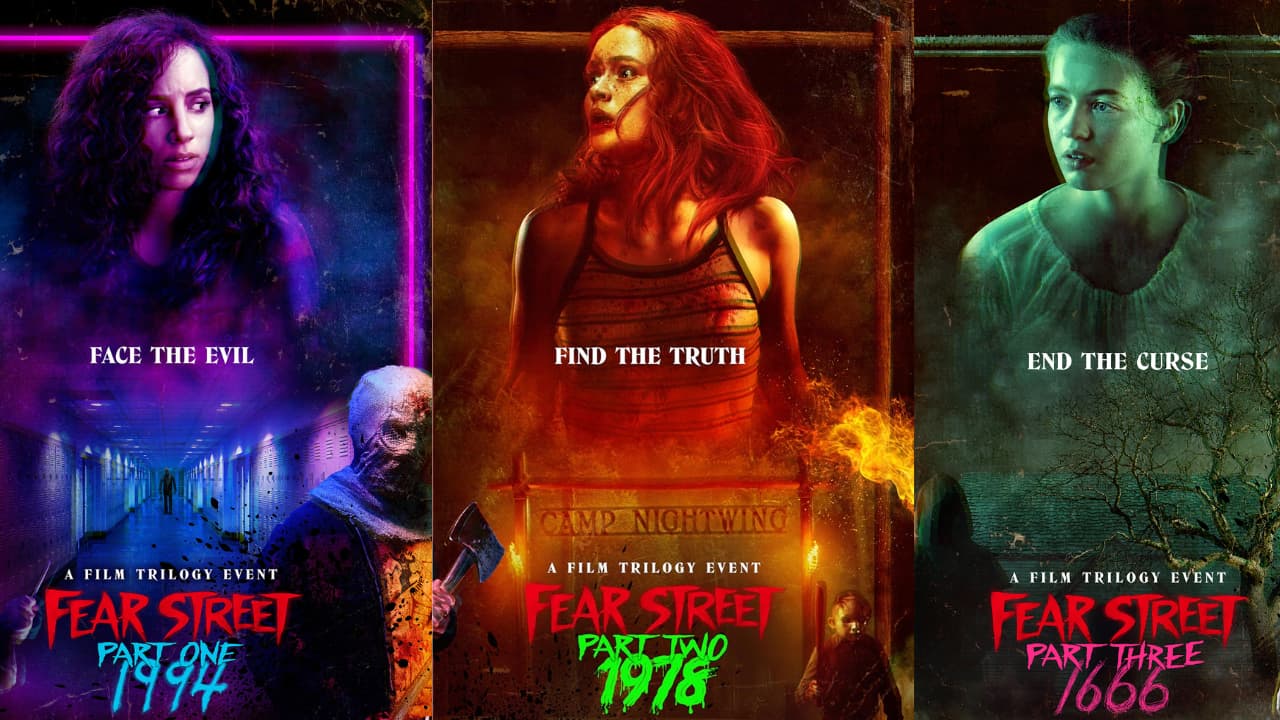
Netflix’s 'Fear Street' film trilogy has become a standout in modern horror, praised for its nostalgic nods, intense kill scenes, and surprisingly heartfelt storytelling. What makes it truly unique, though, is how it perfectly balances two seemingly opposing elements — teen drama and brutal slasher gore — without compromising on either. This blend is what sets 'Fear Street' apart from most horror offerings today.
At its core, 'Fear Street' is rooted in classic slasher tradition. Each instalment pays homage to a specific era of horror: 1994 reflects 'Scream'-style thrillers, 1978 recalls 'Friday the 13th', and 1666 dives into period horror and witch-hunt paranoia. The gore is unapologetically graphic, with inventive kills that honour the genre’s bloody legacy. From axes to bread slicers, the trilogy doesn’t hold back on shock value.
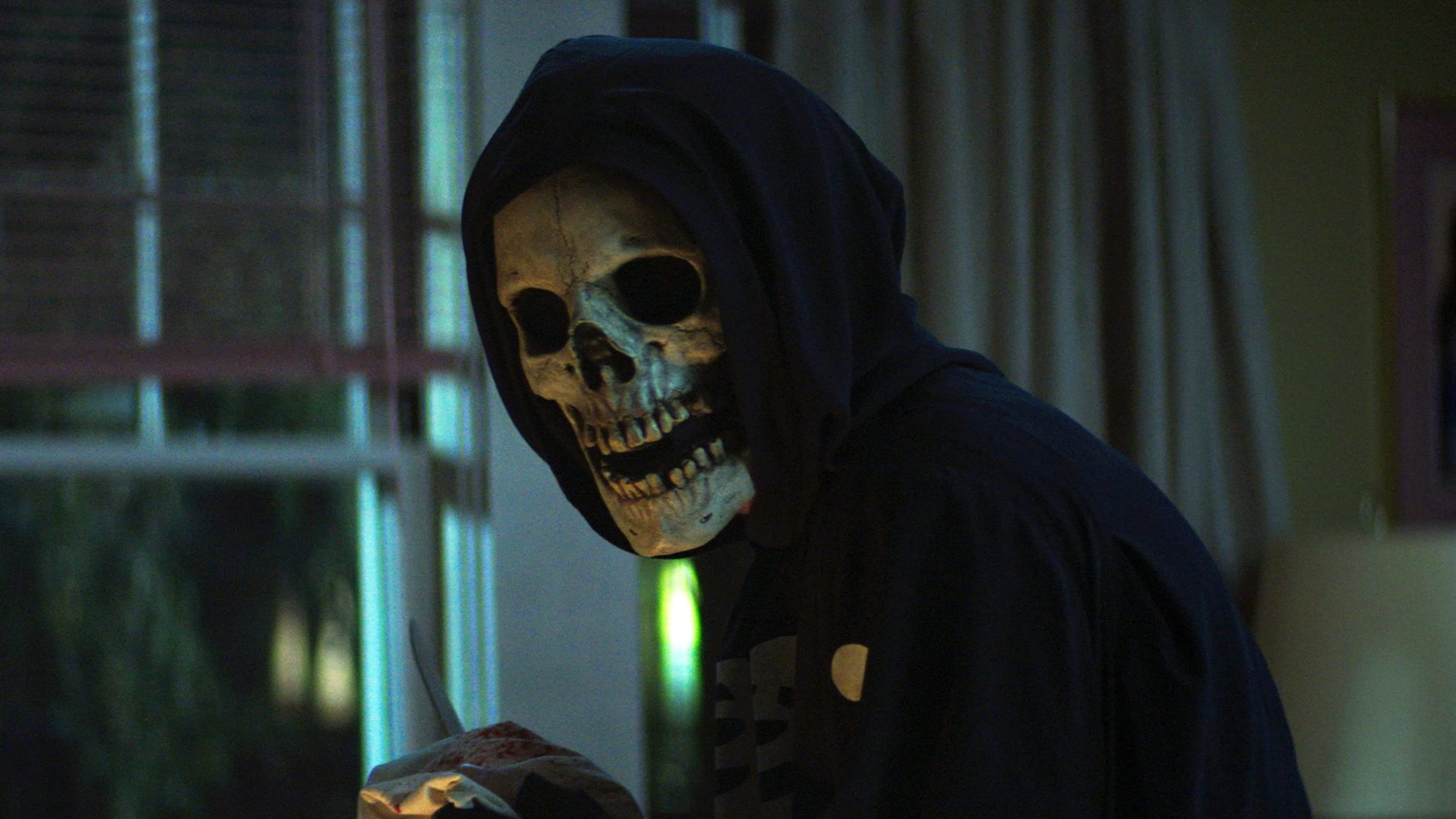
Image Courtesy: IMDb
The Real Heart of 'Fear Street' is in The Characters
But 'Fear Street' isn't just about creative carnage. The real heart of the series lies in its characters — teens caught in a centuries-old curse, trying to survive both supernatural threats and real-world challenges. These aren’t one-dimensional scream queens and jocks. They’re fully developed individuals dealing with love, grief, trauma, identity, and friendship.
Deena and Sam’s queer relationship drives much of the emotional weight of the story, offering meaningful queer representation rarely seen in horror. Their romance isn’t treated as a subplot — it’s central to the narrative, giving the audience someone to root for beyond survival. Similarly, characters like Ziggy, Josh, and Kate bring depth and emotional arcs that elevate the stakes beyond the typical “who dies next” format.
Also Read: https://indigomusic.com/feature/the-marriage-metaphor-in-gone-girl-love-lies-and-control-9626560
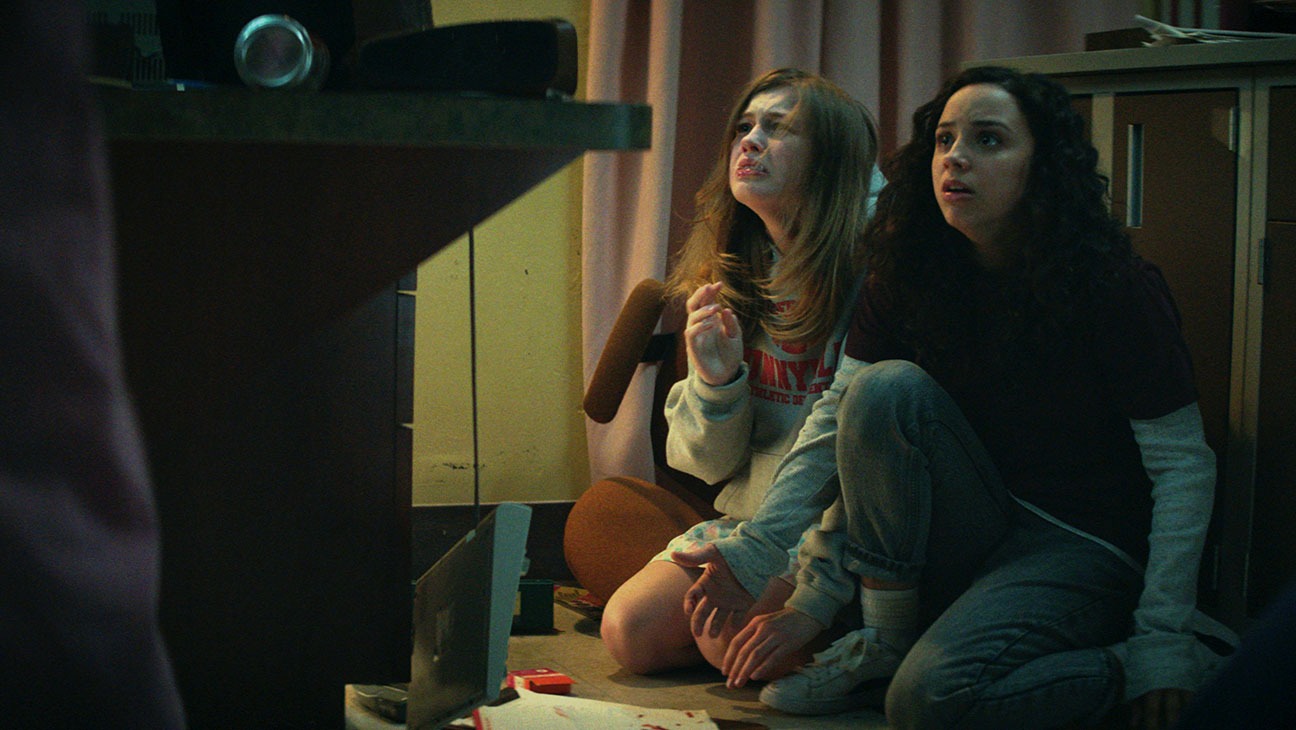
Image Courtesy: IMDb
This balance works because the filmmakers treat both sides of the story with equal importance. The emotional beats never feel like filler between kills, and the gore never feels like it's just there for shock value. Instead, each violent moment is earned and often underscores the characters’ internal struggles or the escalating dread they face.
Moreover, the 'Fear Street' trilogy's structure — telling one overarching story across three different time periods — allows the teen drama and horror to evolve together. It gives the audience a reason to care, not just fear.
In the end, 'Fear Street' proves that horror can be emotionally resonant and gory at the same time. By blending heartfelt teen storytelling with relentless slasher violence, it creates a horror experience that’s as moving as it is terrifying — a rare and refreshing combination in the genre.
Also Read: https://indigomusic.com/feature/why-casablanca-still-resonates-80-years-later-9604411