
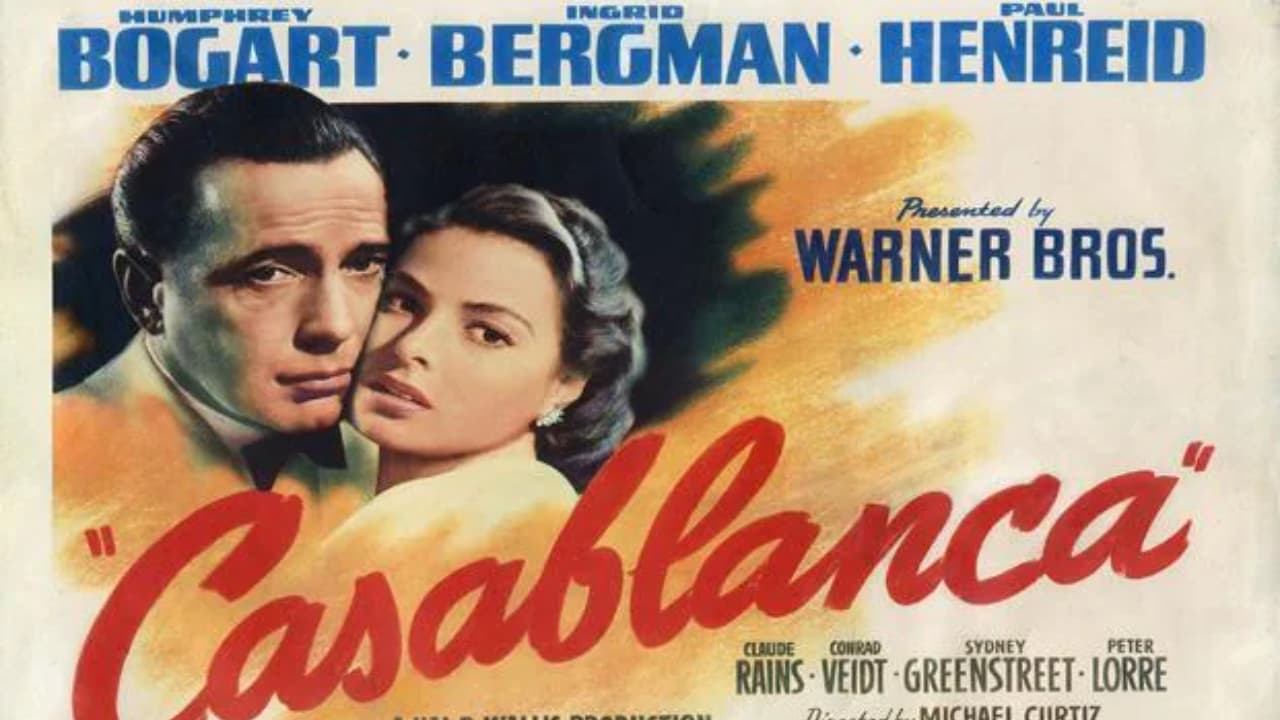
More than eight decades since its 1942 release, 'Casablanca' remains a cinematic masterpiece that continues to captivate audiences worldwide. Set during World War II in the Moroccan city of Casablanca, the film follows nightclub owner Rick Blaine, played by Humphrey Bogart, who is unexpectedly reunited with his former lover Ilsa Lund (Ingrid Bergman). Their bittersweet story unfolds against a backdrop of political unrest, romance, and moral dilemmas—elements that give 'Casablanca' its enduring power.
One of the main reasons 'Casablanca' still resonates is its universal themes. Love, sacrifice, loyalty, and redemption are explored with emotional depth and subtlety. The film’s central conflict—choosing between personal happiness and the greater good—remains relevant in any era. Rick’s transformation from a cynical bystander to a selfless hero is a narrative arc that speaks to the human capacity for change and moral courage, particularly in difficult times.
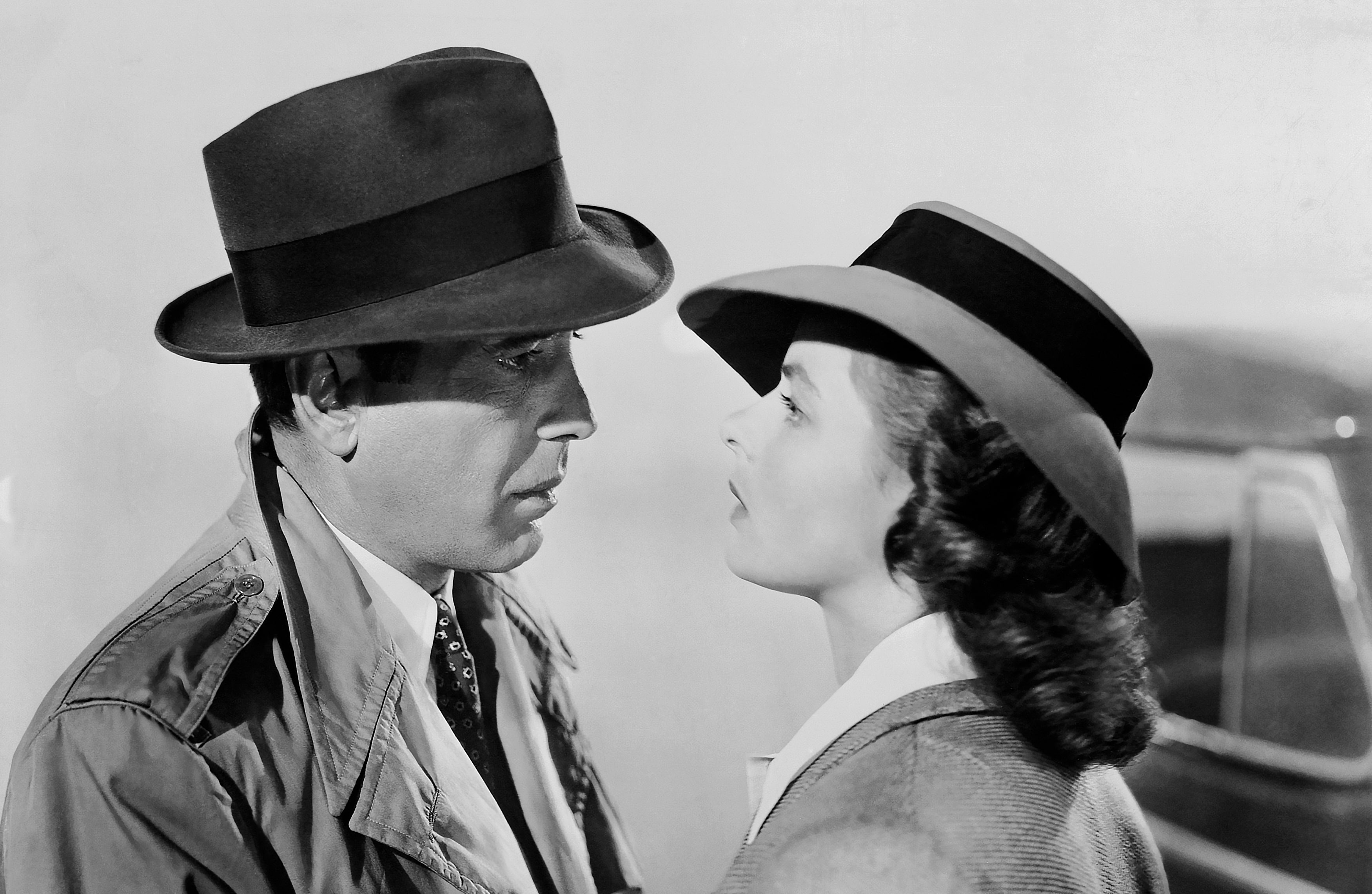
Image Courtesy: TCM
Dialogues in 'Casablanca' Are Iconic
The film's memorable dialogue and iconic lines have also cemented its place in pop culture. Phrases like “Here’s looking at you, kid,” and “We’ll always have Paris” are still quoted today, not only because they’re poetic, but because they carry emotional weight within the story. The sharp, intelligent script balances romance with political tension, making it as intellectually engaging as it is emotionally stirring.
Performances by Bogart and Bergman are another reason the film has endured. Bogart’s portrayal of Rick is layered, blending toughness with vulnerability, while Bergman’s Ilsa radiates grace and quiet strength. Their chemistry feels real, unforced, and timeless, elevating what could have been a conventional wartime romance into something deeply poignant.
Also Read: https://indigomusic.com/feature/how-gothic-films-reflects-our-deepest-fears-9521533
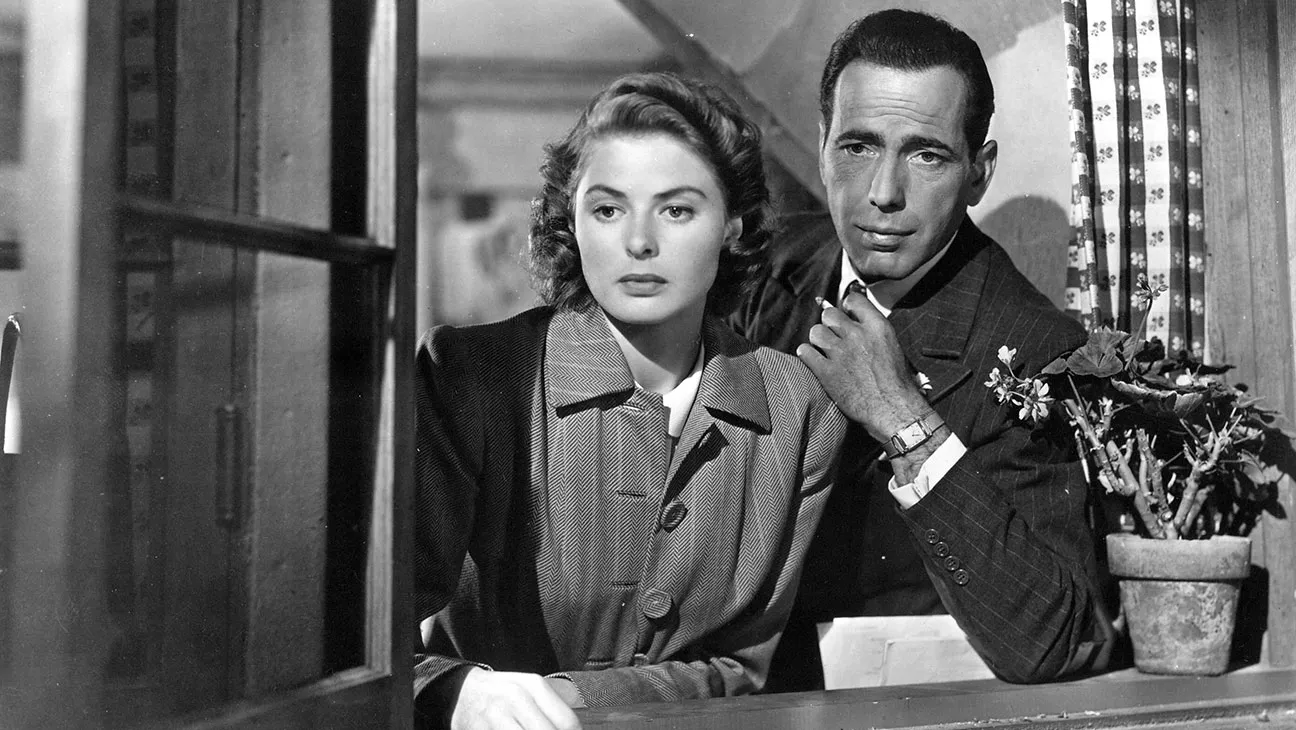
Image Courtesy: The Hollywood Reporter
Cinematography Played a Great Role in 'Casablanca'
Cinematic craftsmanship also plays a vital role. Michael Curtiz’s direction, Max Steiner’s unforgettable score, and Arthur Edeson’s atmospheric cinematography combine to create a film that is both visually and emotionally compelling. The black-and-white palette adds a sense of nostalgia and timelessness that modern colour films often lack.
Finally, 'Casablanca' endures because it mirrors the complexities of real life—where choices aren’t easy, and endings aren’t always happy. Yet, in its ambiguity lies hope, integrity, and a belief in something greater than ourselves.
Eighty years on, 'Casablanca' is not just a classic—it’s a mirror reflecting timeless truths about love, sacrifice, and the human spirit. And that’s why audiences keep coming back.