
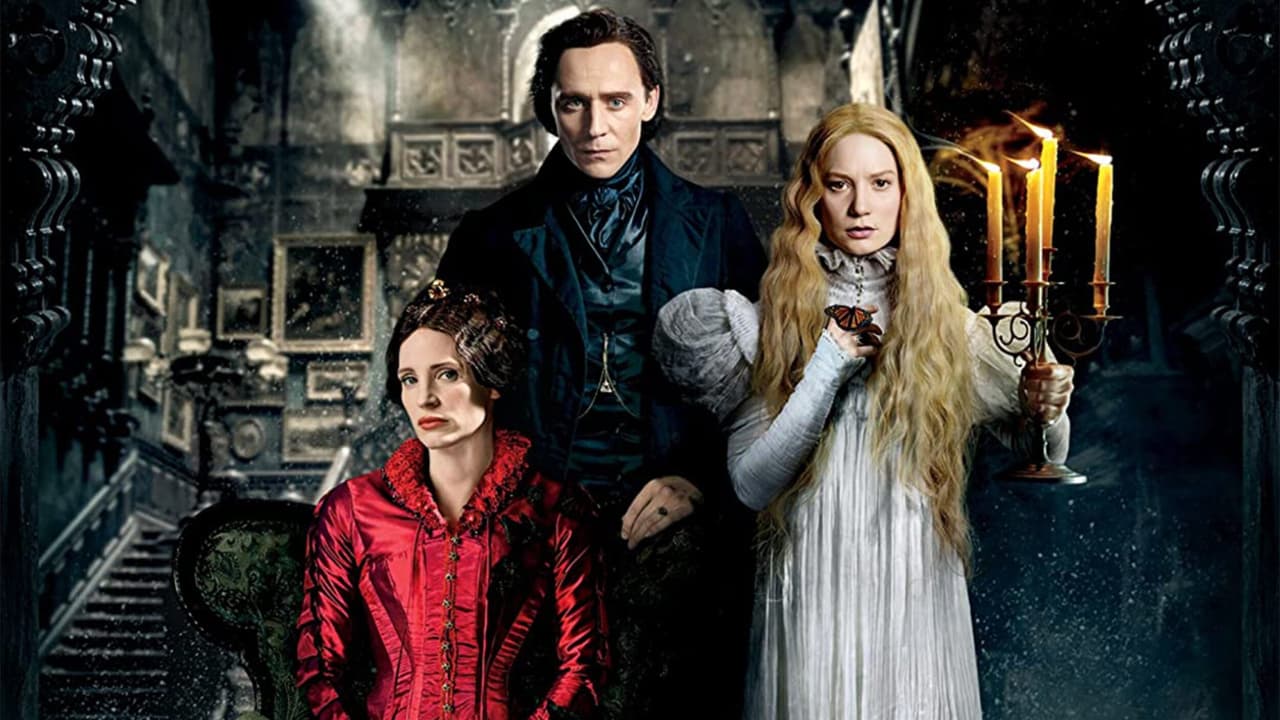
Gothic films have long served as a mirror to society’s most primal anxieties, blending haunting visuals, melancholic narratives, and psychological horror to explore the darkest corners of the human condition. Unlike slashers or gore-heavy horror films, gothic cinema is more concerned with atmosphere, isolation, and the internal terrors that live beneath the surface. From decaying mansions to tragic protagonists, this genre taps into the fears we often can’t articulate—fears of death, madness, abandonment, and the unknown.
One of the most striking aspects of gothic film is its setting. Grand, crumbling estates like those seen in 'Crimson Peak' or 'Rebecca' are not just backdrops—they are extensions of the characters’ minds. The architecture often symbolises psychological decay, echoing the fragility of the human psyche. These settings isolate characters from the outside world, amplifying feelings of helplessness and dread. This speaks directly to our fear of being trapped—whether physically, emotionally, or mentally.
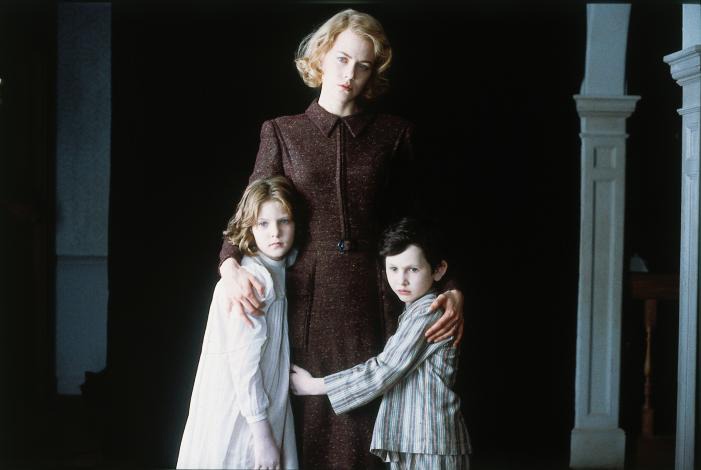
Image Courtesy: IMDb
Horror in Gothic Films
Gothic films also explore the terror of the self. Unlike external monsters, many gothic tales present horror as something internal: repressed desires, hidden guilt, or past traumas. In films like 'The Others' or 'The Babadook', the true horror stems not from supernatural forces but from grief, loss, and denial. These movies ask unsettling questions: What if the greatest threat comes from within? What if we are our own worst enemy?
Death and the supernatural are ever-present in gothic cinema, but not merely for shock value. Ghosts, spectres, and cursed beings often serve as metaphors for unresolved pasts and emotional wounds. In 'The Sixth Sense', ghosts are depicted as lost souls seeking closure, mirroring the protagonist’s emotional disconnection. The fear here isn’t just of ghosts—it’s the fear of not being seen, heard, or understood.
Image Courtesy: IMDb
The genre’s continued popularity is a testament to its emotional resonance. As society changes, Gothic films evolve too, tackling modern issues such as mental illness, isolation, and identity crises. Yet the core themes remain timeless because they speak to fears that are universal and deeply human.
Ultimately, gothic films don’t just aim to scare—they aim to make us feel. By confronting us with our inner demons and giving form to our intangible fears, it allows us to process, reflect, and perhaps even find beauty in the darkness.
Also Read: https://indigomusic.com/feature/how-mean-girls-changed-teen-movie-tropes-forever-9517564