
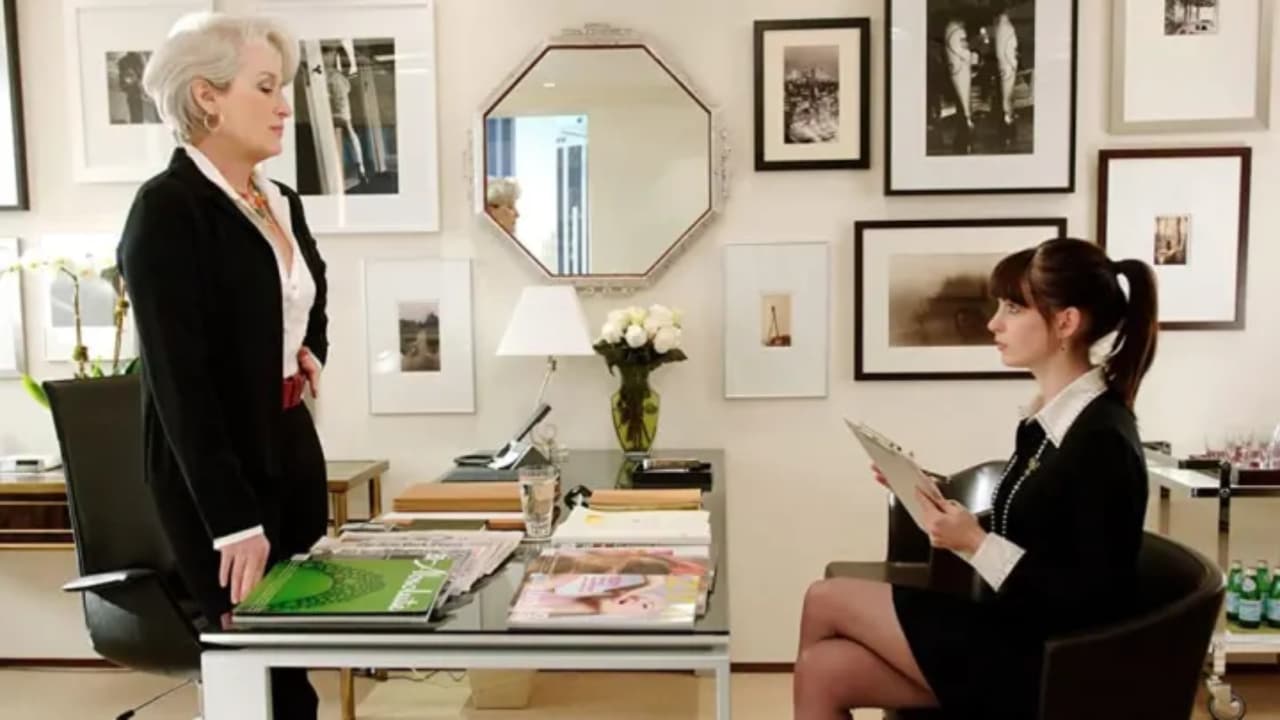
'The Devil Wears Prada' may feel like a glamorous fashion satire on the surface, but beneath the designer bags and glossy magazine covers lies a brutally honest take on toxic workplace culture. The film’s enduring popularity isn't just because of its fashion — it's because it depicts a type of professional environment many people still experience today.
At the heart of the film is Andy Sachs, a young and ambitious journalist who accepts a job as the assistant to Miranda Priestly, the powerful editor-in-chief of Runway magazine. Although Andy believes the position will open doors, she quickly becomes overwhelmed by the unrealistic expectations placed upon her — an all-too-familiar reality for employees in high-pressure industries. The film shows how a charismatic company and a famous boss can distract people from the unhealthy demands disguised as "paying your dues."
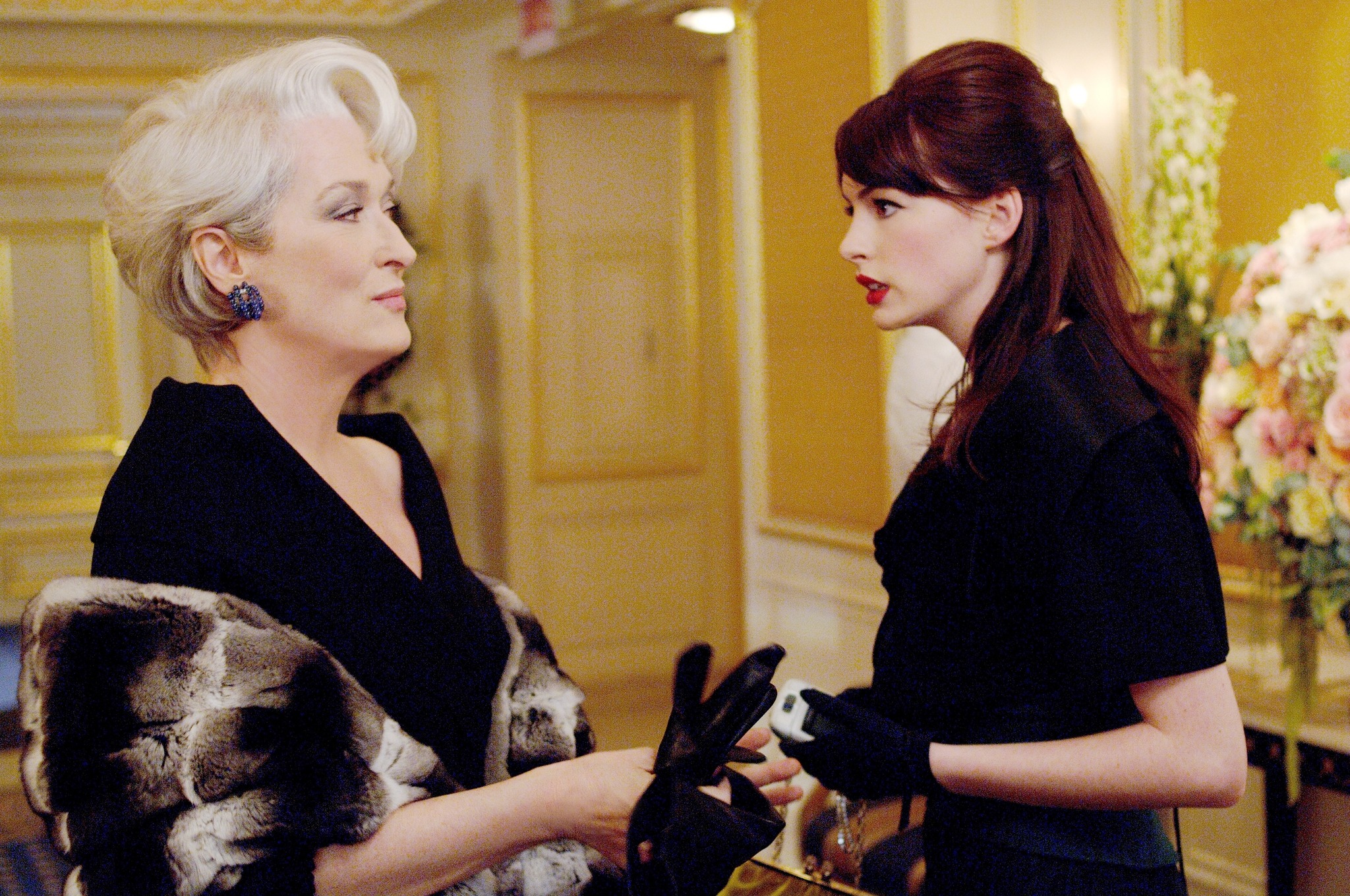
Image Courtesy: IMDb
Toxic Work Culture Portrayed in 'The Devil Wears Prada'
One of the most accurate portrayals of toxic work culture in 'The Devil Wears Prada' is the expectation of complete availability. Andy is contacted at all hours, ordered to cancel personal plans, and shamed for wanting any work-life balance. This mirrors real-world environments where boundaries are blurred and burnout is normalised. The movie captures how toxic workplaces often reward overwork and treat exhaustion as proof of commitment.
Miranda Priestly embodies the kind of leadership that rules through fear, not inspiration. While powerful and accomplished, her management style is dismissive, cold and emotionally damaging. She rarely acknowledges effort and often withholds praise — a behaviour that fosters insecurity and competition rather than collaboration. This leadership style leads to a culture of silent suffering, where employees hide their struggles to appear capable.
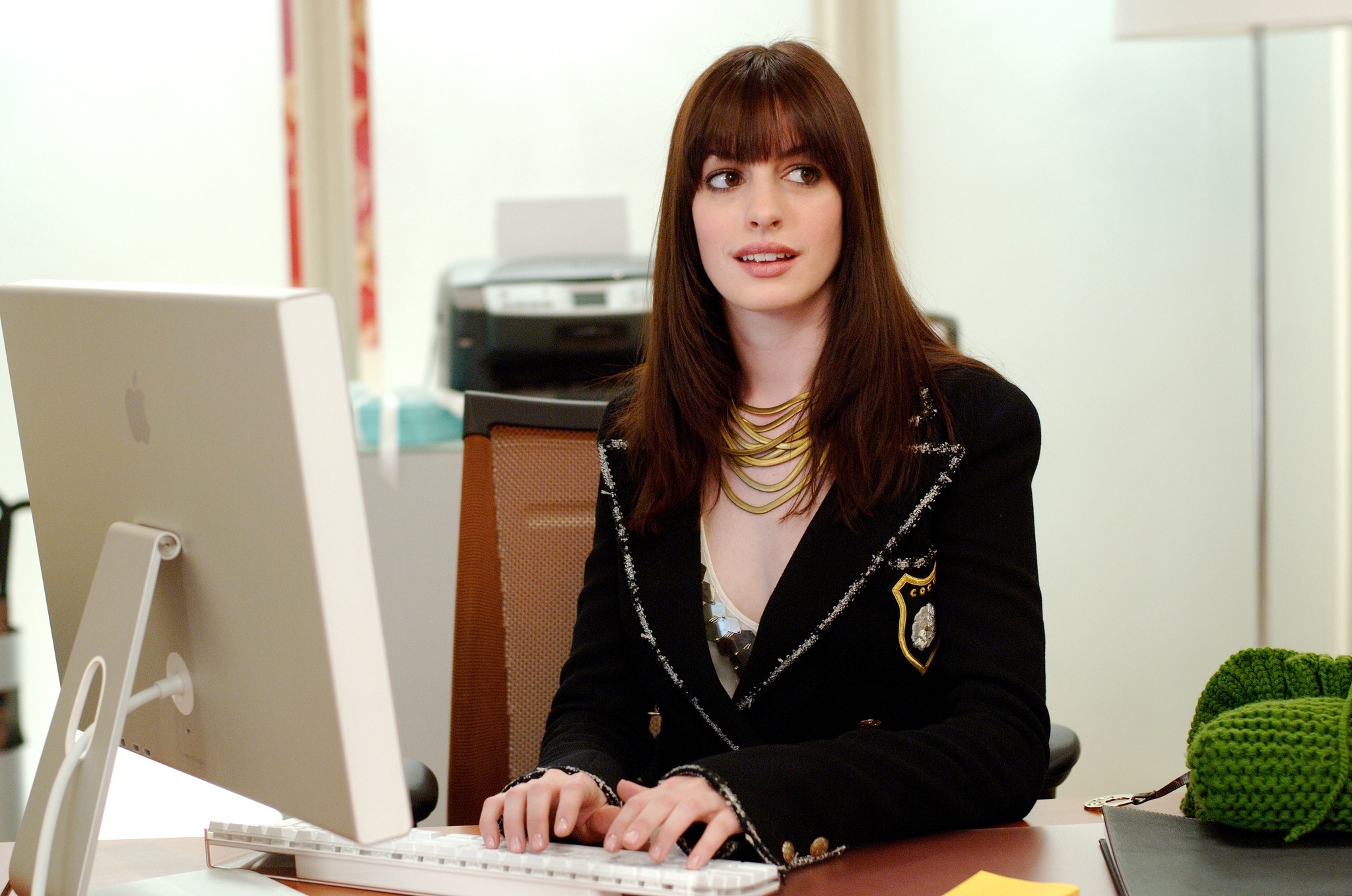
Image Courtesy: IMDb
'The Devil Wears Prada' is a Great Take on Showcasing Work Cultures
Another realistic aspect is how toxic environments pressure employees to compromise their values. Andy initially disapproves of the superficiality around her but slowly changes — sacrificing relationships, health, and original career goals for approval. The film doesn't villainise ambition itself but shows how working in a harmful environment can push people to lose themselves.
Importantly, 'The Devil Wears Prada' also highlights how toxicity is not always explicit abuse — sometimes it's subtle, glamorised and hidden under success and prestige. The film serves as a cautionary tale, reminding viewers that a powerful brand or influential boss doesn't justify cruelty, and no career milestone is worth sacrificing personal well-being.
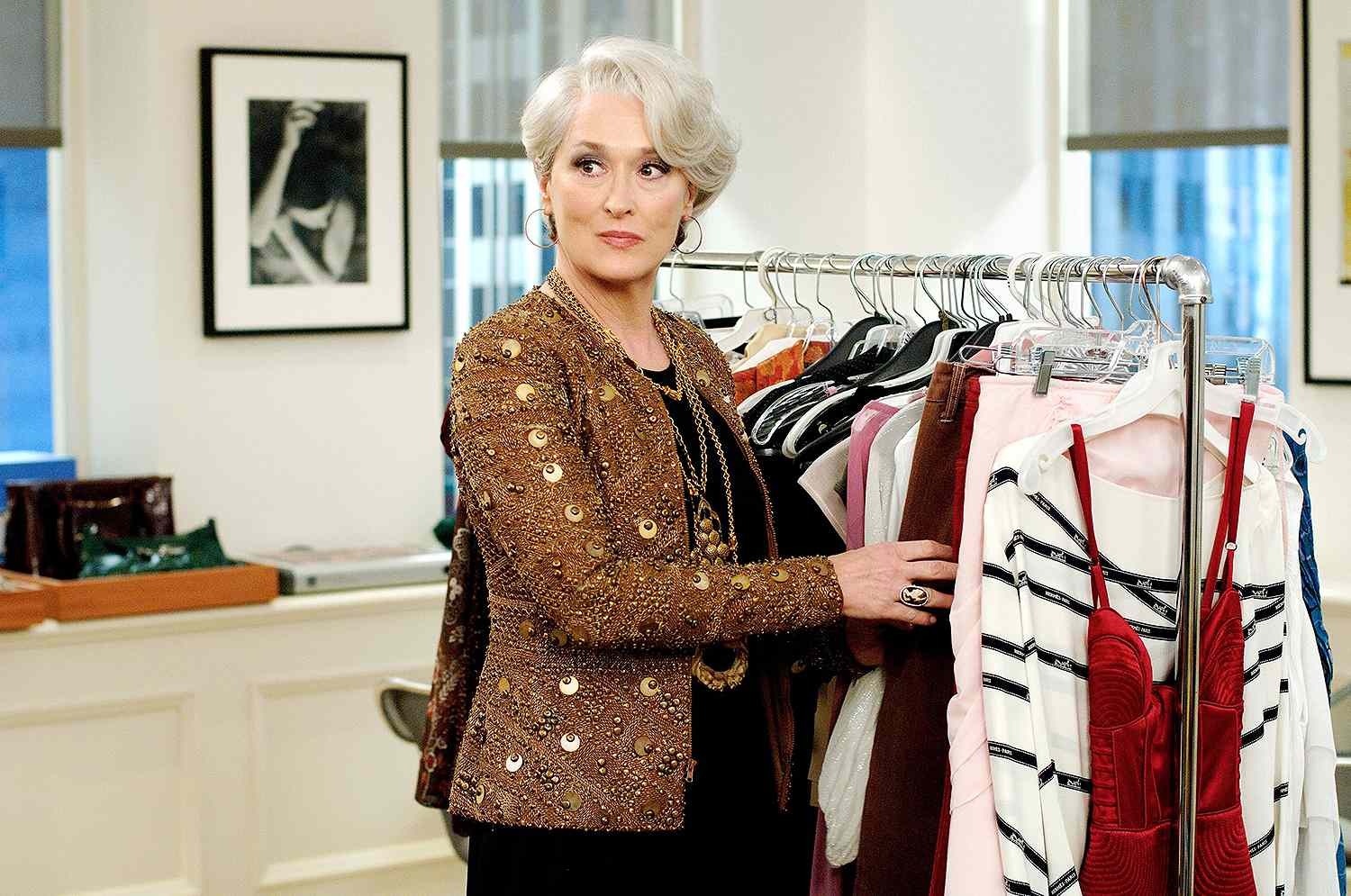
Image Courtesy: IMDb
In the end, Andy walks away — not from ambition, but from a culture that equates personal worth with productivity. That's what makes 'The Devil Wears Prada' timeless: its honest, relatable portrayal of workplace toxicity and the cost of staying silent within it.