
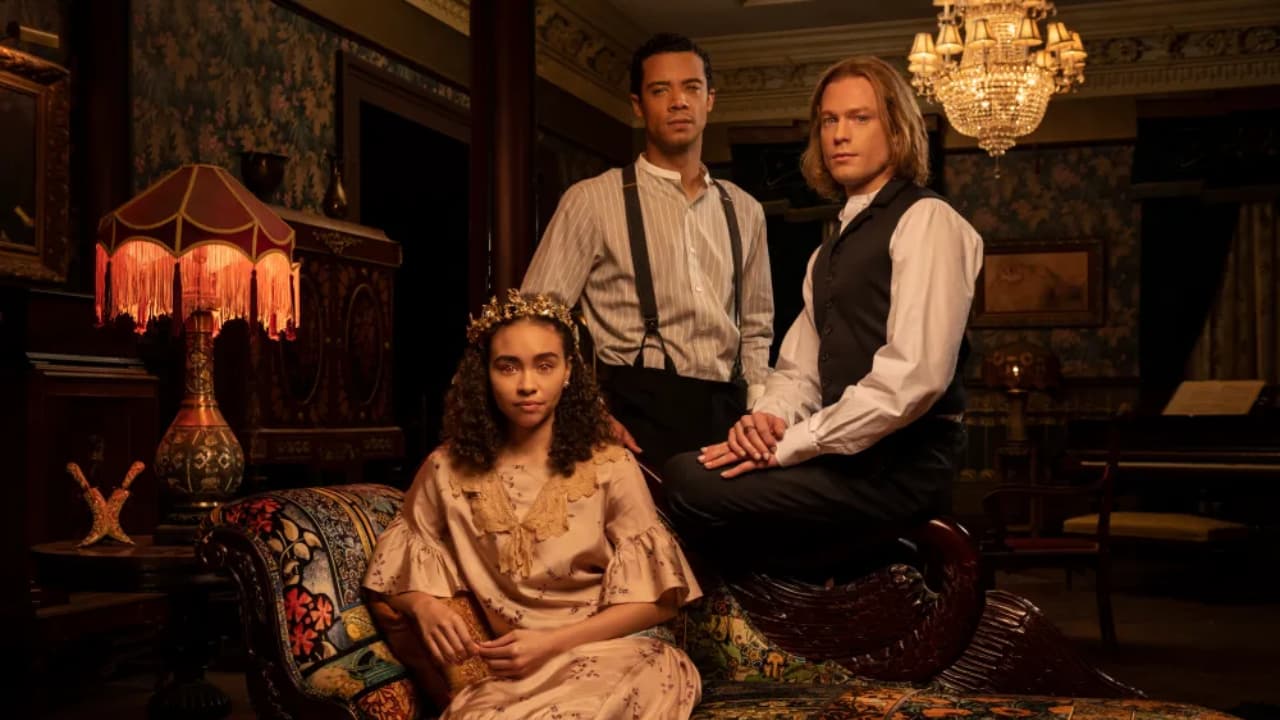
Nearly three decades after its cinematic debut, 'Interview with the Vampire' continues to haunt and mesmerise audiences around the world. Originally released in 1994 and based on Anne Rice’s 1976 novel, the film redefined the vampire genre by blending Gothic horror with deep emotional and philosophical themes. Today, with the rise of the AMC series adaptation, Interview with the Vampire has proven its timeless appeal, ushering in what many call a modern vampire renaissance.
What makes this story endure is its uniquely human approach to the undead. Unlike traditional depictions of vampires as soulless monsters, Rice’s characters are deeply introspective. Louis de Pointe du Lac, portrayed by Brad Pitt in the film and Jacob Anderson in the series, is a vampire tormented by morality, loss, and identity. His eternal conflict—between what he is and what he believes—is as relevant today as it was when the book first hit shelves.
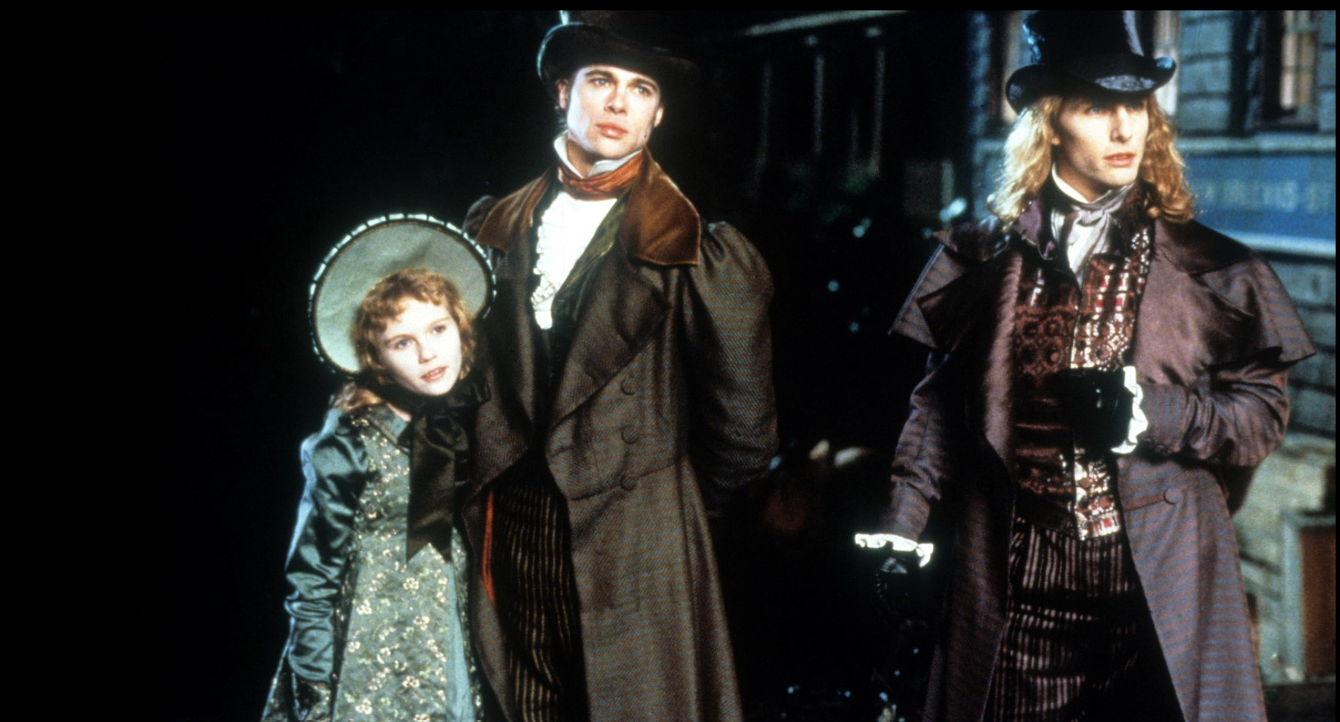
Image Courtesy: IMDb
Lestat de Lioncourt is a Morally Ambiguous Vampire
Lestat de Lioncourt, the charming yet morally ambiguous vampire portrayed by Tom Cruise in the film and Sam Reid in the series, adds complexity to the narrative. Lestat is seductive, dangerous, and unapologetically hedonistic, offering a sharp contrast to Louis’s guilt-ridden restraint. Their volatile relationship blurs the lines between love, manipulation, and dependency—making the story emotionally rich and psychologically gripping.
The resurgence of interest in the franchise is also due to its reimagining in the AMC series. By modernising certain elements, like setting part of the story in 20th-century New Orleans and openly exploring the homoerotic tension between Louis and Lestat, the series has resonated with new audiences seeking more inclusive and diverse storytelling.
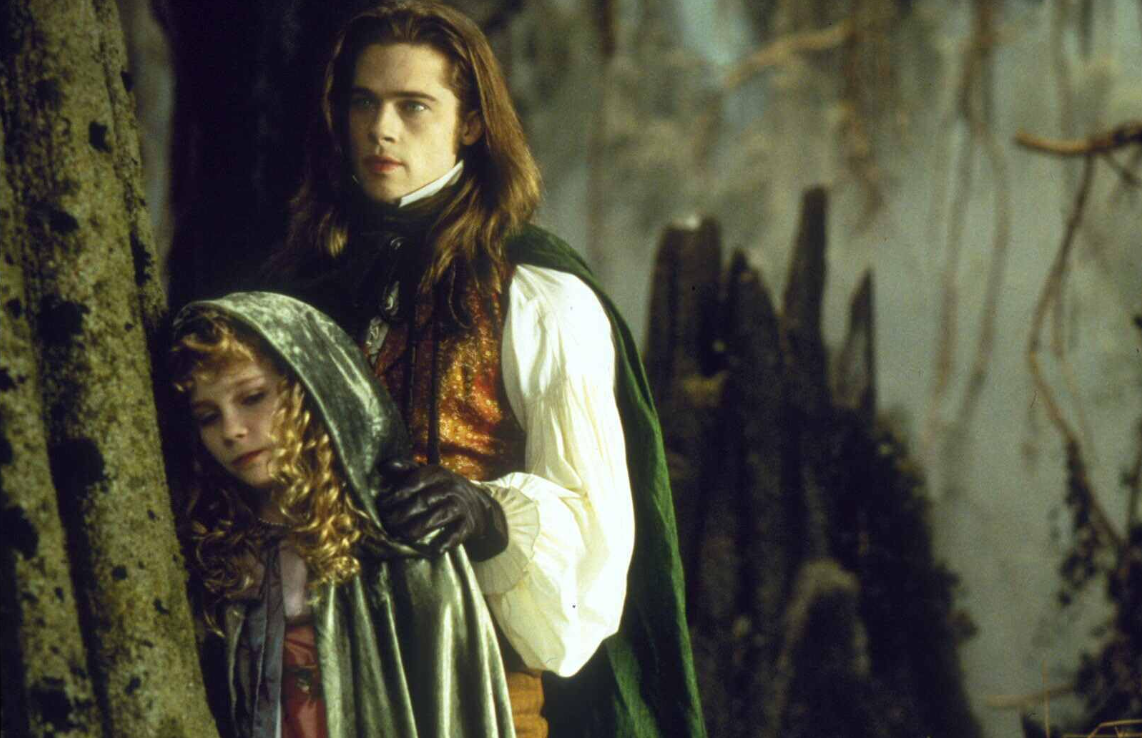
Image Courtesy: IMDb
Moreover, 'Interview with the Vampire' thrives in a media landscape hungry for slow-burn, character-driven drama. Unlike fast-paced supernatural thrillers, this franchise lingers in the quiet dread of immortality, asking what it truly means to live forever—and at what cost.
With its lavish visuals, emotional depth, and exploration of eternal themes like love, power, and identity, 'Interview with the Vampire' continues to evolve while honouring its roots. It is not just a vampire story—it is a gothic meditation on what makes us human. And that, above all, is why it continues to captivate, decades later.
Also Read: https://indigomusic.com/feature/how-mean-girls-changed-teen-movie-tropes-forever-9517564