
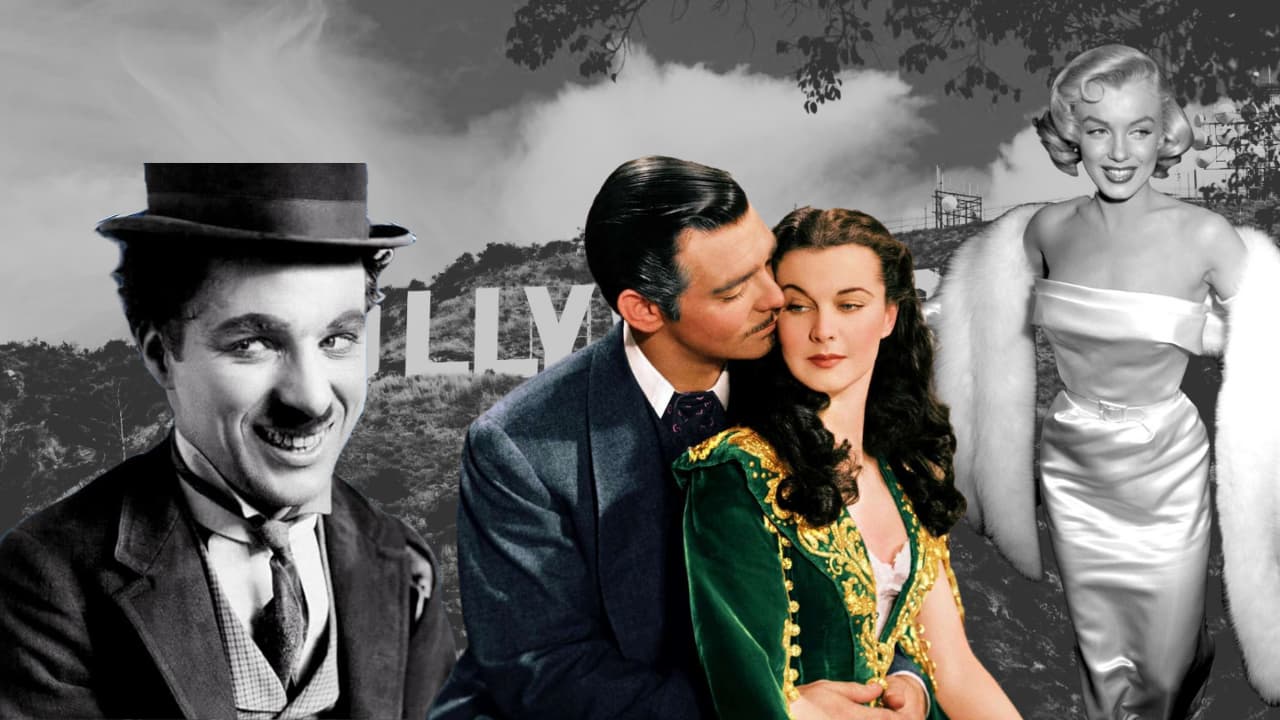
Old Hollywood , almost mythical place in our cultural imagination. From the golden age of the 1920s through the 1960s, it gave us glamorous stars, sweeping romances, and unforgettable films that shaped the identity of cinema itself. But why do we continue to romanticise that era, decades after its heyday?
One reason is the allure of glamour and mystery. The studio system of Old Hollywood carefully crafted the public images of stars like Marilyn Monroe, Audrey Hepburn, Cary Grant, and Humphrey Bogart. These actors seemed larger than life, untouchable and endlessly elegant. The black-and-white photographs, dramatic lighting, and tailored fashion all contributed to a sense of sophistication that feels rare in today’s era of overexposure and social media transparency.
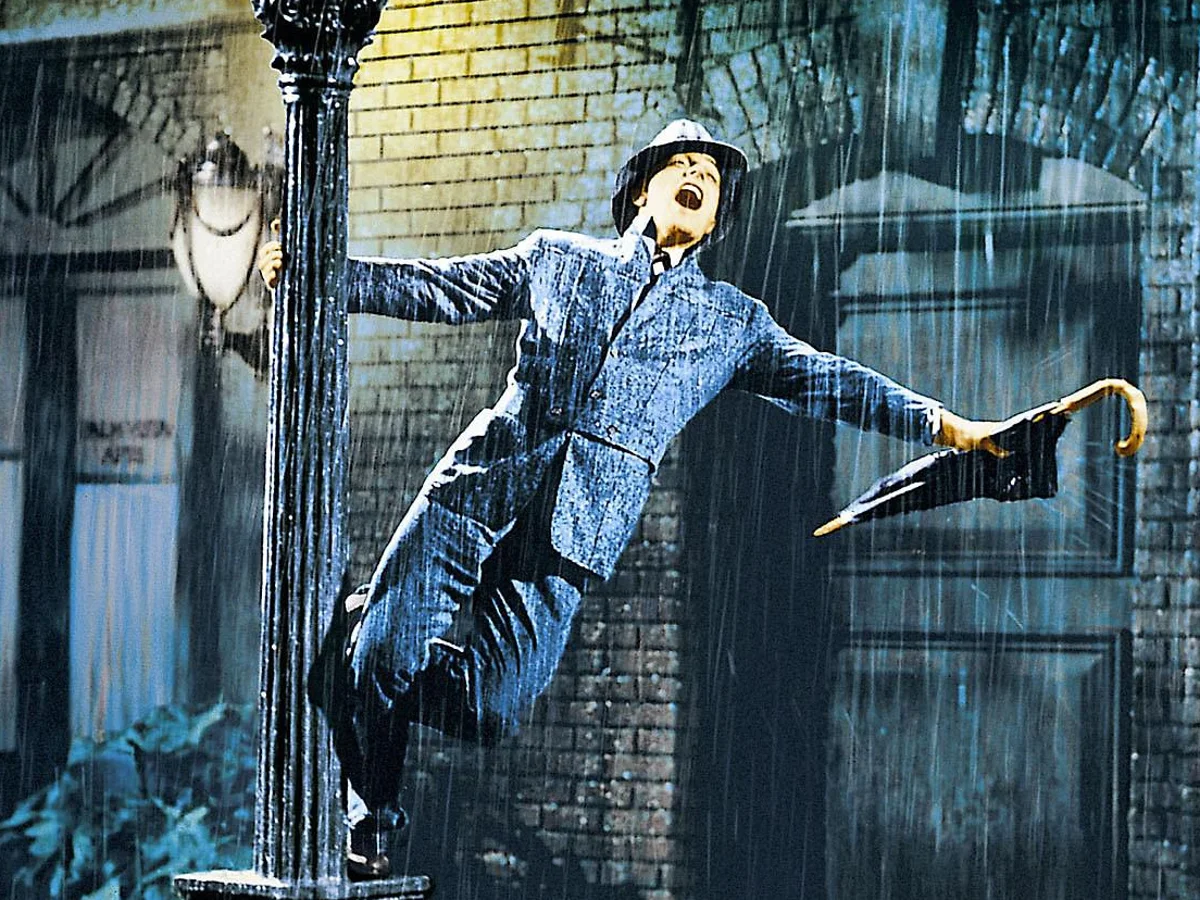
Image Courtesy: The Guardian
Old Hollywood Classical Films Are Nostalgic
The films themselves also play a major role in our nostalgia. Classics like 'Casablanca', 'Gone with the Wind', 'Sunset Boulevard', and 'Singin’ in the Rain' weren’t just popular in their time—they became cultural touchstones. They offered sweeping narratives, timeless themes, and striking cinematography that continue to influence modern filmmaking. Many people associate Old Hollywood films with a sense of escapism: stories of love, ambition, or moral struggle presented with elegance, wit, and often, a touch of fantasy.
Another factor is the storytelling. Movies from Old Hollywood tended to follow strong, clear narratives with emotionally satisfying resolutions. While not without flaws, they often emphasised character development, strong dialogue, and human connection—qualities that can feel missing in more effects-driven modern cinema. The emphasis on craft—both technical and artistic—adds to the lasting appeal.
Also Read: https://indigomusic.com/feature/how-pennywise-manipulates-fear-a-psychological-analysis-9600599
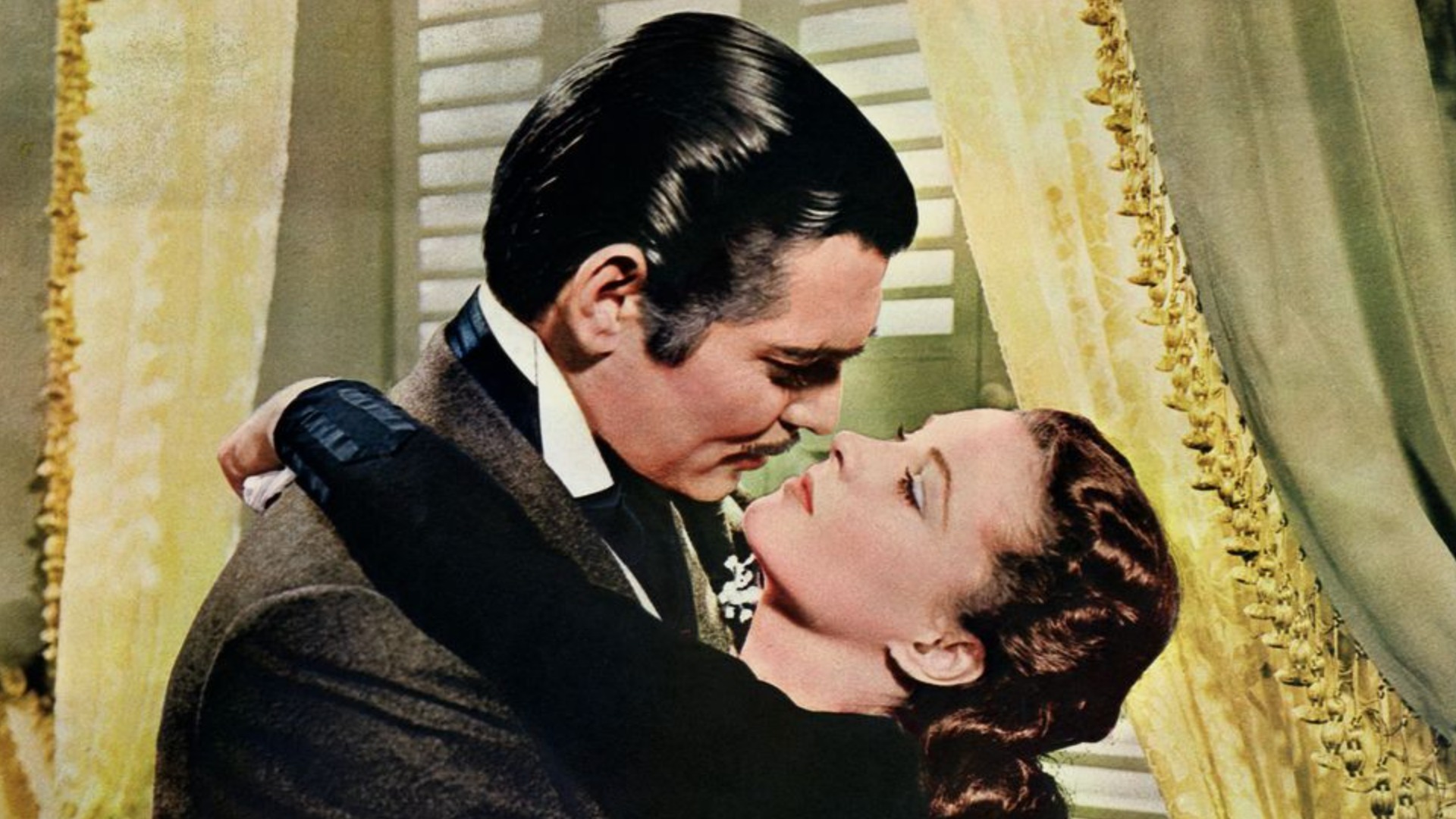
Image Courtesy: Rotten Tomatoes
People Crave The Bygone Old Hollywood Era
There’s also a sense of longing for a bygone era. Old Hollywood existed in a time before streaming, before franchises dominated the box office, and before entertainment became saturated with content. It represented a slower, more curated approach to storytelling and celebrity. For many, it symbolises a purer version of the film industry, even though the reality behind the scenes was often far from perfect.
Of course, it's important to acknowledge that the golden age had its darker sides: racism, rigid censorship, and studio exploitation were rampant. But romanticising Old Hollywood doesn’t necessarily mean ignoring its flaws—it often reflects a yearning for the artistry, style, and emotion that the best of that era represents.
Ultimately, we romanticise Old Hollywood because it captures a moment when cinema felt like magic—and because it continues to inspire filmmakers and dreamers alike.
Also Read: https://indigomusic.com/feature/how-the-town-of-derry-became-horrors-creepiest-setting-9600585