

Pennywise the Dancing Clown, the central villain in Stephen King’s 'IT', is not just a terrifying figure in pop culture — he’s a master manipulator of fear. Unlike many horror icons who rely on brute force, Pennywise weaponises the mind. His ability to terrify victims, especially children, is deeply rooted in psychological principles, making him one of the most unsettling monsters in modern horror.
At the core of Pennywise’s power is fear-based manipulation. He doesn't simply scare his victims — he studies them. Pennywise knows that fear is most effective when it’s personal. Rather than presenting a generic threat, he transforms into each victim's deepest fear: a leper, a creepy painting, a dead sibling, or a swarm of blood. This tactic mirrors real psychological trauma, where fears are specific, irrational, and emotionally charged. By turning into what the children fear most, Pennywise bypasses logic and taps directly into the subconscious.
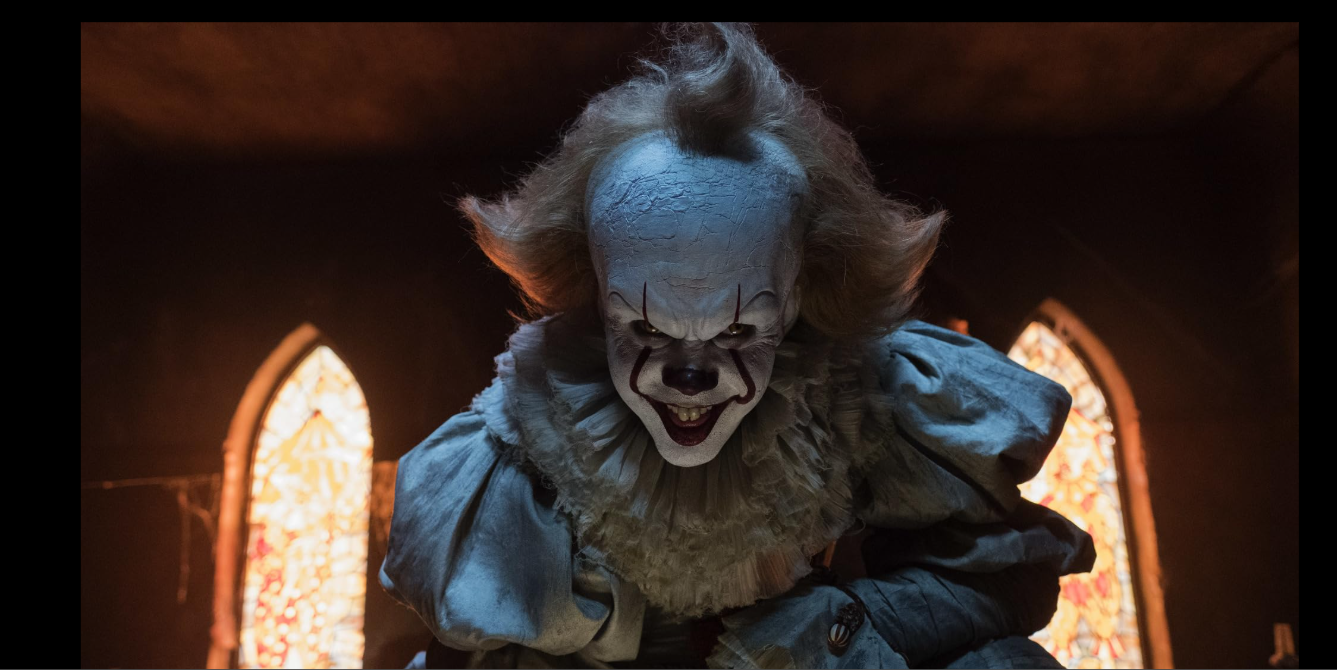
Image Courtesy: IMDb
Psychologically, this relates to the concept of exposure to phobic stimuli, which can trigger panic, avoidance, and a sense of helplessness. Pennywise thrives on this helplessness. He waits until his victims are at their most vulnerable — emotionally isolated, physically alone, or doubting themselves — before attacking. This taps into another fear: loss of control. The children of Derry often feel powerless in their homes, schools, and friendships, and Pennywise exploits that emotional instability.
Pennywise Feeds on Childhood Trauma
There’s also a strong connection to childhood trauma. Pennywise prefers children because their sense of identity is still forming, and they haven’t yet developed the coping mechanisms adults might use to rationalise or resist fear. He isolates and terrifies them so thoroughly that they begin to question their own reality — a classic tactic in psychological manipulation.
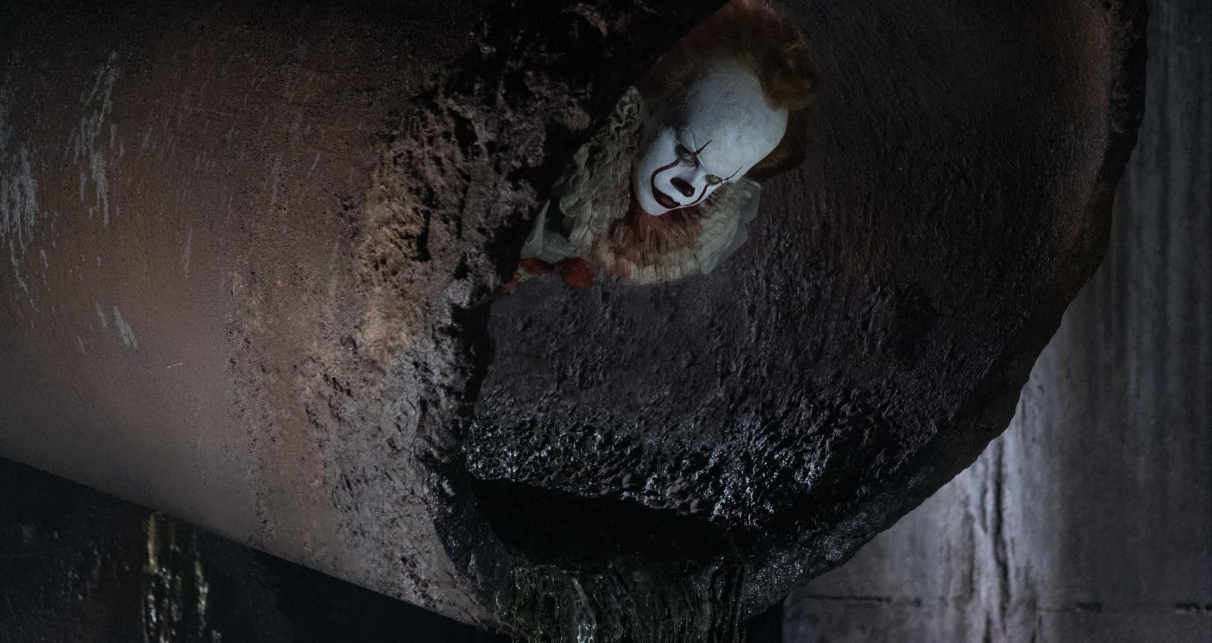
Image Courtesy: IMDb
Furthermore, Pennywise's presence is amplified by the environment of Derry, a town that turns a blind eye to horror. The societal denial and apathy reinforce the victims’ feelings of abandonment and invalidation — psychological states that deepen trauma and make individuals more susceptible to control.
Ultimately, Pennywise doesn’t just feed on fear; he manufactures it, shapes it, and grows stronger through it. His methods are horrifying not only because of their supernatural nature, but because they mirror the psychological realities of trauma, phobia, and manipulation. In many ways, the monster under the bed is less terrifying than the one that already lives in the mind — and Pennywise knows exactly how to unlock it.
Also Read: https://indigomusic.com/feature/how-gothic-films-reflects-our-deepest-fears-9521533