
In the ever-evolving landscape of digital entertainment, a significant shift is taking place. Platforms like YouTube and TikTok are increasingly capturing the attention of viewers, leading to a notable decline in the time spent streaming traditional TV shows and movies. This trend has profound implications for the entertainment industry, which is grappling with changing consumer behaviours and preferences.
The amount of time people spend watching content on YouTube and TikTok has surged dramatically. These platforms offer a vast array of short-form videos that cater to a wide range of interests, from comedy skits and music videos to educational content and lifestyle vlogs. This variety and the quick, easily digestible nature of the content are proving to be highly appealing to viewers, especially younger demographics.
Also Read: When Did Roger Ebert Apologize for a Movie Review
The rise of YouTube and TikTok is particularly evident among Gen Z and millennials, who are increasingly favouring these platforms over traditional streaming services like Netflix, Hulu, and Amazon Prime. A recent survey revealed that over 70% of Gen Z respondents spend more time on YouTube and TikTok than on streaming TV shows and movies. This shift is attributed to the interactive and community-oriented nature of these platforms, which allows users to engage with content creators and participate in trends.
Moreover, the algorithms employed by YouTube and TikTok are highly effective in keeping users engaged. These platforms use sophisticated machine-learning techniques to recommend videos that align closely with users' interests and viewing histories. As a result, viewers are more likely to continue watching for extended periods, often moving from one video to the next without switching platforms.
For traditional streaming services, this shift poses a significant challenge. The competition for viewers' time and attention is intensifying, and streaming platforms must innovate to retain their audiences. Some have responded by integrating short-form content and user-generated videos into their offerings, while others are investing heavily in original programming and exclusive content to differentiate themselves.
In addition to content strategy, the business models of these platforms also play a role in their appeal. YouTube and TikTok are largely free to use, with revenue generated through advertising. This contrasts with the subscription-based model of many streaming services, which can be a barrier for some users. The lower cost and accessibility of YouTube and TikTok make them more attractive options, especially for those looking to reduce entertainment expenses.
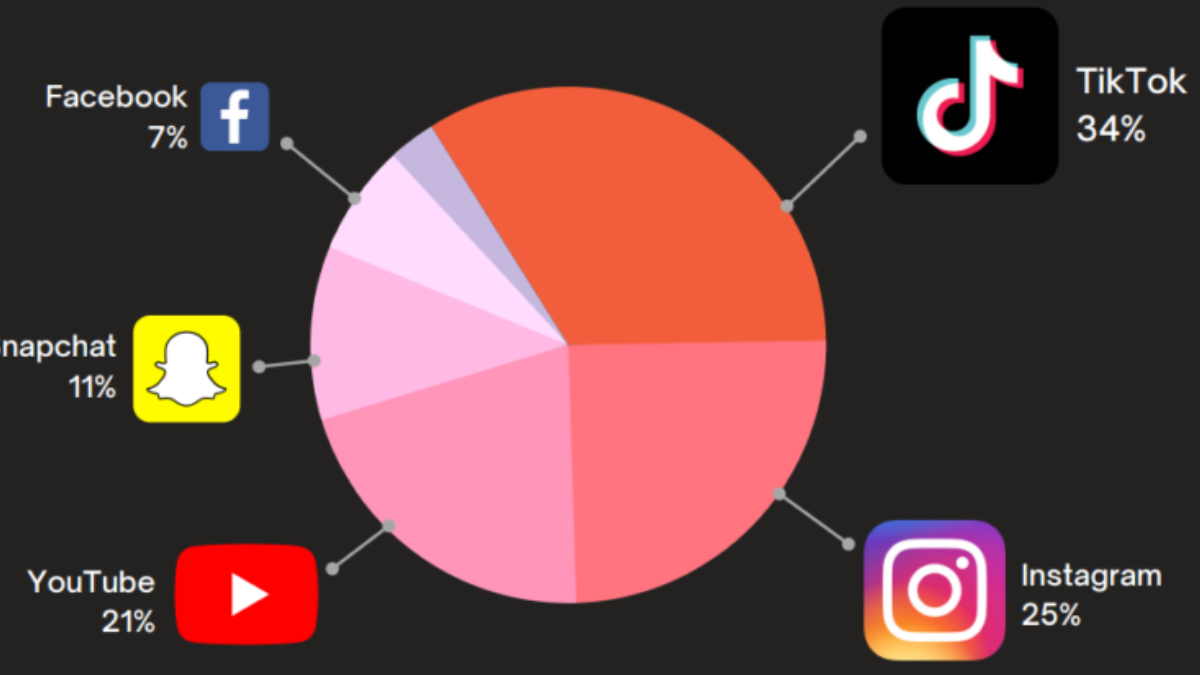
The impact of this trend extends beyond viewership patterns. Advertisers are increasingly shifting their budgets toward YouTube and TikTok, recognizing the vast audiences and high engagement rates these platforms offer. This shift is reshaping the advertising landscape, with digital ad spending expected to grow substantially in the coming years at the expense of traditional TV ad revenue.
Looking ahead, the entertainment industry will need to adapt to these changing dynamics. Streaming services may need to explore hybrid models that combine subscription and ad-supported tiers, or develop new forms of content that blend the immediacy and interactivity of short-form videos with the depth and production quality of traditional TV and movies.
-Sushmita Sarkar