
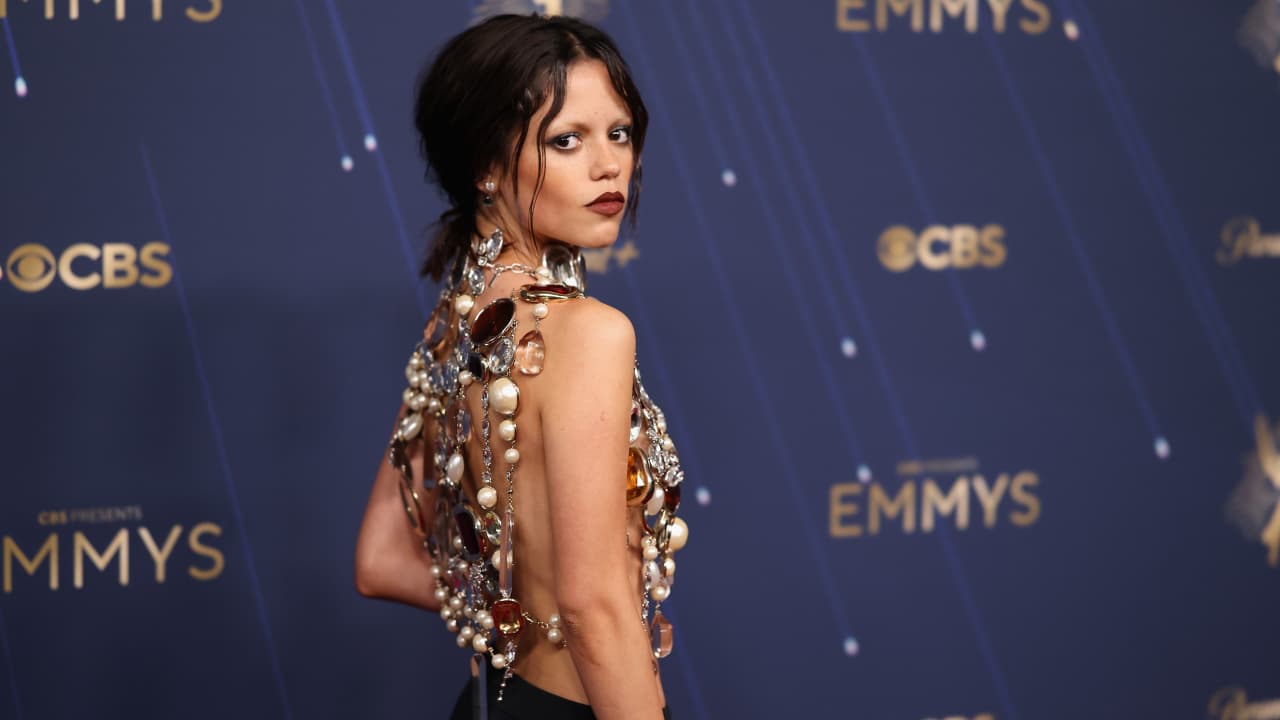
Jenna Ortega is sharing her thoughts on the growing role of artificial intelligence in filmmaking, admitting that the rapid rise of the technology makes it very easy for people to feel afraid of what comes next. Speaking during a press conference at the Marrakech Film Festival recently, the 'Wednesday' star reflected on how humanity has historically pushed new innovations too far, explaining that AI brings a sense of deep uncertainty that she personally finds unsettling.
Jenna Ortega compared the current moment to opening a modern Pandora's box, noting that the entertainment industry is now confronting possibilities that are both exciting and unnerving. Even so, she expressed hope that AI might ultimately help support creativity rather than replace it. She suggested that periods of confusion often inspire artists to speak louder, create more passionately and defend the value of human expression.
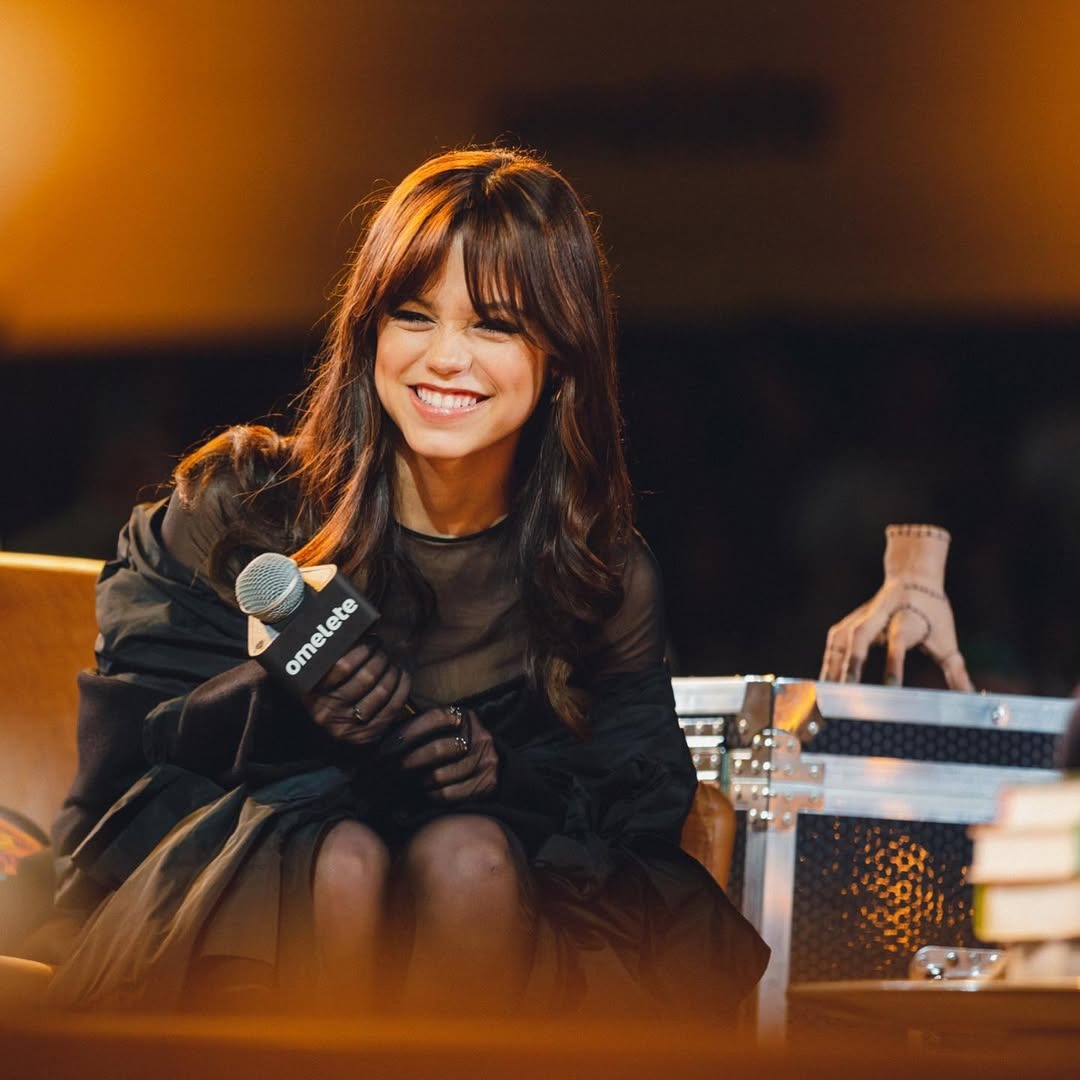
Image Courtesy: Jenna Ortega/ Instagram
Jenna Ortega's Views on Art and AI
Jenna Ortega stressed that certain aspects of artistry cannot be duplicated by machines. According to Ortega, difficulty, imperfection and emotional truth all hold a beauty that AI cannot reproduce because technology lacks the soul that defines human art. She added that she hopes AI eventually becomes something audiences instinctively reject, almost like mental junk food, prompting people to rediscover an appreciation for genuine human work.
The debate around AI has intensified across film, television and music. In September, Dutch performer Eline Van der Velden sparked backlash after unveiling an AI actor named Tilly Norwood. The digital character raised concerns about job displacement, drawing criticism from well-known performers including Emily Blunt, Natasha Lyonne and Morgan Freeman. Freeman argued that an artificial performer cannot replace real actors and that unions will inevitably fight to protect human talent.
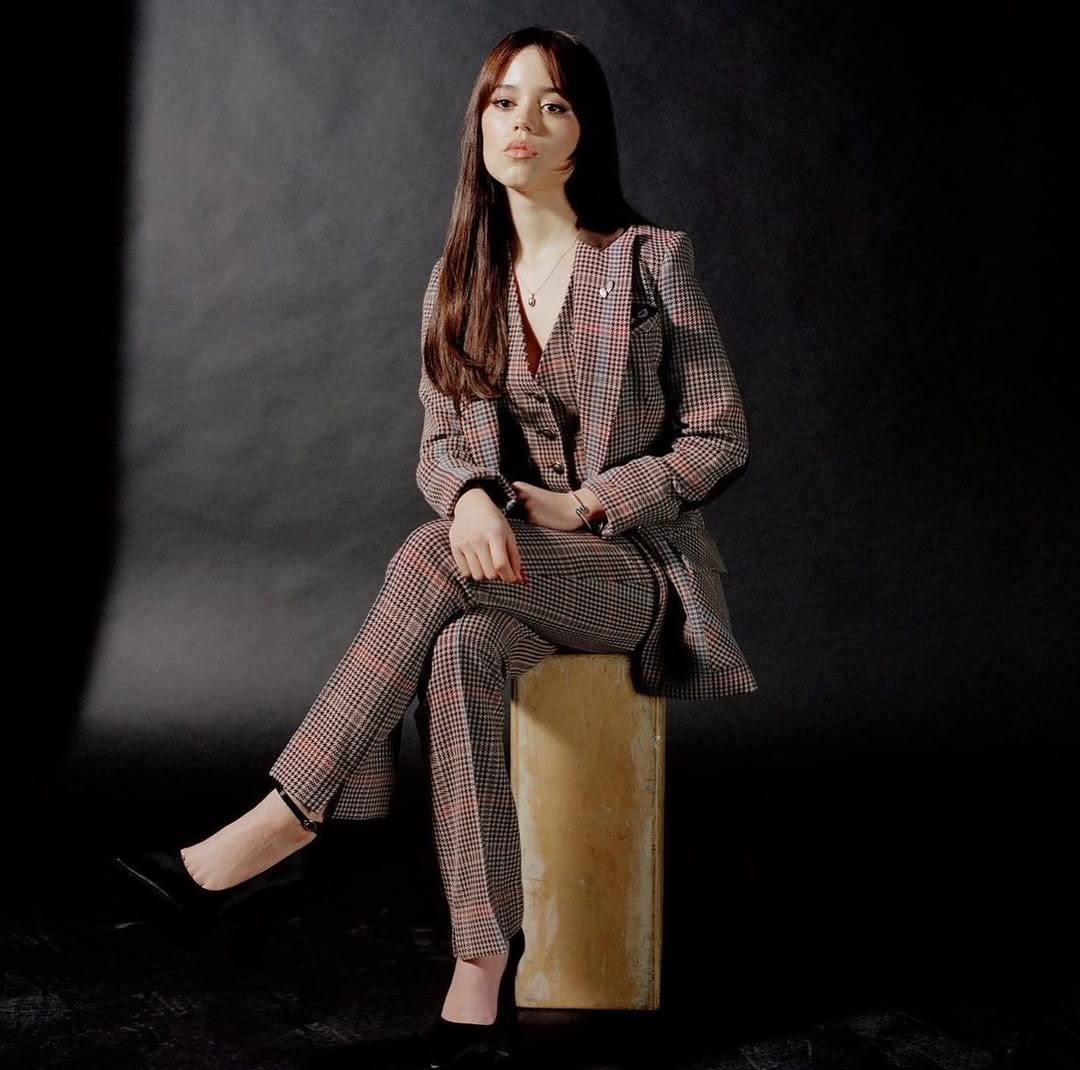
Image Courtesy: Jenna Ortega/ Instagram
James Cameron's Take on AI
Director James Cameron has also acknowledged exploring ways AI could lower production costs, but he remains wary of dystopian possibilities and maintains that human artists are irreplaceable.
The music world is facing similar disruption. AI creation Xania Monet recently became the first known AI-generated artist to earn enough radio play in the United States to appear on a Billboard chart, reportedly securing a multimillion-dollar deal with Hallwood Media. A recent study further revealed that most listeners—around 97 per cent—struggle to distinguish between real and AI-produced music.
As conversations intensify, Ortega's comments reflect a growing sentiment in Hollywood: curiosity about AI's potential paired with a strong desire to preserve the irreplaceable human spirit at the heart of storytelling.